
Introduction
The Savoy Theatre stands as one of London’s most historic and influential performance venues. Located in the heart of the West End, this architectural gem blends artistic innovation, cultural legacy, and technological firsts that forever changed the theatre world. Since opening its doors in 1881, the Savoy has been home to legendary performances, pioneering design, and a timeless connection between past and present.
In this guide, we explore everything that makes the Savoy Theatre exceptional — from its origins and architectural beauty to its most iconic productions and modern-day significance.
The Birth of the Savoy Theatre
When Richard D’Oyly Carte commissioned the Savoy Theatre in 1881, he envisioned a venue that would revolutionize London’s entertainment scene. Designed by C. J. Phipps, the theatre was purpose-built to host the comic operas of W. S. Gilbert and Arthur Sullivan — an artistic partnership that would produce classics like The Mikado, Iolanthe, and H.M.S. Pinafore.
The Savoy Theatre’s debut came with Patience on 10 October 1881, marking a milestone not only for performance but also for technology. It became the first public building in the world to be lit entirely by electricity, a marvel that distinguished it from every other theatre of its time.
From its earliest days, the Savoy Theatre set new standards for comfort, safety, and spectacle, establishing itself as a leader in both art and innovation.
The Rise of the Savoy Operas
The partnership between Gilbert and Sullivan gave birth to what became known as the “Savoy operas” — witty, satirical, and musically brilliant productions that captivated audiences for decades. Shows like The Pirates of Penzance and The Yeomen of the Guard became cultural landmarks, influencing the development of modern musical theatre.
The Savoy Theatre was more than a performance venue — it became the birthplace of an entire genre. The term “Savoy opera” is still used today to describe the light operas that originated there, forever linking the theatre to one of Britain’s most beloved cultural movements.
These productions not only entertained Victorian audiences but also shaped international theatre traditions, inspiring the structure and humor found in musicals across Broadway and beyond.
Architectural Excellence and Innovation
From the moment it opened, the Savoy Theatre was a showcase of elegance and modernity. Architect C. J. Phipps designed a grand yet intimate space with 1,200 seats, luxurious décor, and cutting-edge amenities for its time.
The theatre’s electric lighting system, implemented by engineer Sir Joseph Swan, eliminated the dangers of gaslight and allowed for unprecedented control over stage illumination. This innovation made performances more dynamic and immersive.
The 1929 Rebuild
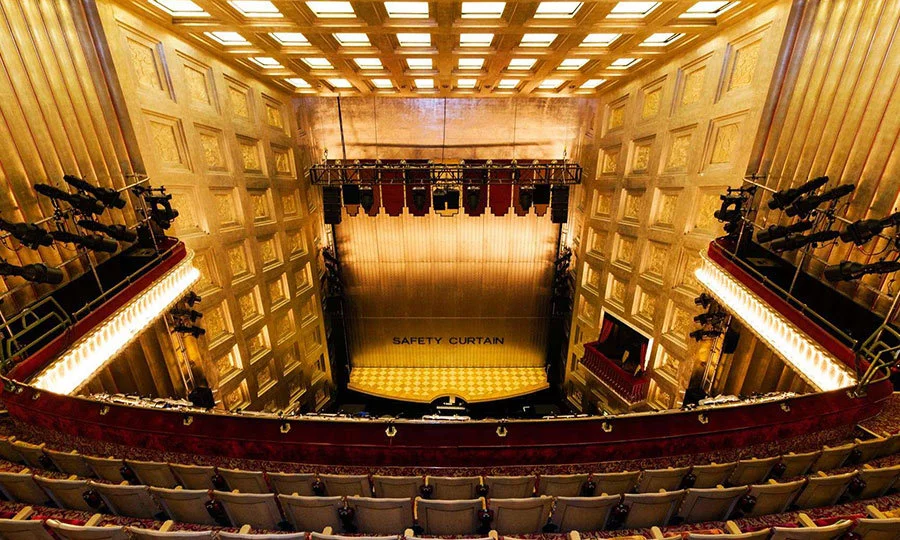
In 1929, the Savoy underwent a major rebuild under Rupert D’Oyly Carte, son of the original founder. Architect Frank A. Tugwell and interior designer Basil Ionides transformed the venue into a masterpiece of Art Deco style, complete with sleek lines, gold accents, and mirrored walls.
The 1990 Fire and Restoration
Tragedy struck in 1990 when a fire gutted much of the building. Thankfully, the Savoy Theatre was meticulously restored and reopened in 1993, with every detail of the 1929 design faithfully reproduced. Today, it remains a Grade II* listed building — recognized for its architectural and historical importance.
Location and Venue Details
Situated on Savoy Court, Strand, London WC2R 0ET, the Savoy Theatre sits beside the iconic Savoy Hotel, forming one of London’s most prestigious cultural landmarks.
- Seating Capacity: Approximately 1,150 seats spread over three levels — Stalls, Dress Circle, and Grand Circle.
- Accessibility: Wheelchair access, guide-dog facilities, and accessible restrooms.
- Nearest Tube Stations: Charing Cross, Embankment, and Covent Garden.
- Nearby Attractions: The Thames Embankment, Trafalgar Square, Covent Garden, and Somerset House.
The theatre’s central location makes it a perfect addition to any London itinerary, offering proximity to top restaurants, hotels, and shopping along the Strand.
Legendary Productions Through the Years
Throughout its history, the Savoy Theatre has hosted an extraordinary range of performances — from classic operettas to modern musicals.
Early Years
- Patience (1881) — the opening show, transferred from the Opera Comique.
- The Mikado (1885) — one of Gilbert & Sullivan’s greatest hits.
- The Gondoliers (1889) — another operatic triumph of the duo.
20th Century and Beyond
In the early to mid-20th century, the D’Oyly Carte Opera Company maintained regular seasons at the Savoy, keeping the Gilbert & Sullivan legacy alive.
Later, the theatre expanded into major stage plays and musicals, welcoming stars and directors from around the world.
Recent Blockbusters
In recent decades, the Savoy has hosted hits including:
- Legally Blonde: The Musical
- Gypsy starring Imelda Staunton
- Dreamgirls
- Pretty Woman: The Musical
- Sunset Boulevard starring Nicole Scherzinger (Olivier Award-winning 2024 production)
This impressive lineup demonstrates how the Savoy Theatre bridges the gap between tradition and innovation — offering both heritage and contemporary relevance.
The Savoy Theatre Experience
Visiting the Savoy Theatre is more than just attending a show — it’s stepping into living history.
Seating Tips
- Stalls: Best views and sound; close to the stage.
- Dress Circle: Excellent overview and acoustics.
- Grand Circle: Budget-friendly with a wider stage perspective.
Visitor Advice
- Arrive early: Doors usually open 90 minutes before showtime.
- Dress code: Smart casual; West End style without being overly formal.
- Refreshments: The theatre offers bars and snack areas on each level.
- Photography: Not permitted during performances.
Accessibility
While the theatre is historic, it has been thoughtfully adapted to support guests with mobility needs. Wheelchair users should book in advance to ensure suitable seating arrangements.
Why the Savoy Theatre Still Matters
In a city filled with world-class theatres, the Savoy Theatre stands apart because of its unmatched legacy and ongoing vitality.
- Historical Significance: It was the world’s first fully electrically lit theatre.
- Architectural Brilliance: Its Art Deco design and careful restorations make it one of the most beautiful theatres in London.
- Cultural Heritage: The birthplace of the Savoy Operas, shaping the evolution of musical theatre.
- Modern Appeal: Continually hosts hit shows that attract global audiences.
- Prime Location: Nestled in London’s West End — surrounded by history, luxury, and culture.
The Savoy Theatre proves that great venues never lose their magic; they simply evolve with time while preserving the spirit of performance that made them legendary.
FAQs About the Savoy Theatre
Q: When did the Savoy Theatre open?
A: It opened on 10 October 1881 with Patience by Gilbert & Sullivan.
Q: Who owns the Savoy Theatre today?
A: It is operated by the Ambassador Theatre Group (ATG).
Q: Can you still see Gilbert & Sullivan operas there?
A: While the theatre now focuses on musicals and plays, special Gilbert & Sullivan performances still take place occasionally.
Q: How do I book tickets for the Savoy Theatre?
A: Tickets can be purchased directly via ATG Tickets, Official London Theatre, or the Savoy Theatre box office online.
Q: Is the Savoy Theatre haunted?
A: Some say yes — legends of ghostly apparitions have long surrounded many West End theatres, adding to the Savoy’s charm!
Conclusion
For more than 140 years, the Savoy Theatre has been a beacon of creativity, elegance, and entertainment. From pioneering electric light to hosting timeless operas and modern musicals, it remains one of London’s proudest cultural institutions.
Whether you’re a history enthusiast, a theatre lover, or a first-time visitor to London, the Savoy Theatre offers an unforgettable experience. Its walls echo with laughter, music, and applause — the sound of more than a century of artistic brilliance.
So, next time you’re in the West End, step inside the Savoy Theatre. You won’t just see a show — you’ll witness a living piece of history.