
The Great Rethink: How the “Future of Work” Is Shifting America’s Map
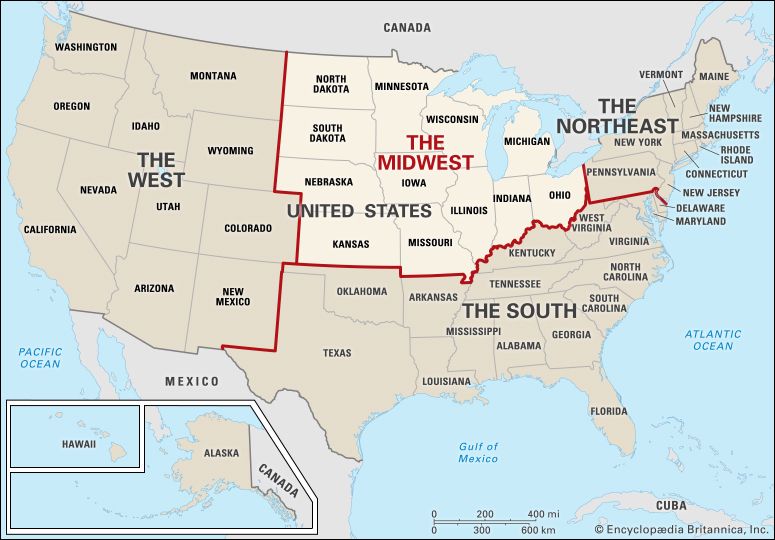
For decades, when people imagined the future of work, they pictured gleaming skyscrapers in Silicon Valley, bustling tech corridors in New York, or corporate towers in Chicago. But a quiet revolution is unfolding across the American Midwest.
The future of work — once synonymous with coastal innovation hubs — may now belong to a region long underestimated. The Midwest, known for its resilience and work ethic, is evolving into a powerful engine for economic growth, remote work opportunities, and technological innovation.
What’s fueling this transformation? The answer lies in a mix of affordability, lifestyle, and the rapid decentralization of the modern workforce.
Rethinking Geography: The Post-Pandemic Workforce Migration
1. Remote Work Reshaping Regional Economies
The remote work revolution has redefined how professionals choose where to live and work. After 2020, millions of Americans left expensive coastal cities in search of more sustainable, community-driven lifestyles.
The Midwest job market has benefited immensely from this trend. Cities like Columbus, Indianapolis, Madison, Des Moines, and Kansas City have seen steady population and job growth thanks to lower living costs and improving digital infrastructure.
According to 2025 economic data from state employment agencies, job growth in the Midwest tech and professional services sectors outpaced the national average by nearly 8%.
2. Cost Efficiency Attracts Companies
For employers, relocating or expanding operations to the Midwest offers undeniable advantages:
- Lower operational costs — office space and wages are more affordable.
- Access to untapped talent — universities across the region supply highly skilled graduates.
- Quality of life advantages — less congestion, shorter commutes, and affordable housing improve retention.
Tech giants like Google, Meta, and Amazon have all announced new or expanded Midwest facilities in states such as Ohio and Iowa, signaling a shift in the future of work geography.
The Midwest Advantage: Economic Stability Meets Innovation
1. The Rise of “Heartland Tech”
The phrase “Heartland Tech” has become shorthand for the surge of innovation in states once dominated by manufacturing.
- Cleveland is nurturing a biomedical startup ecosystem.
- Detroit is redefining itself through EV and AI-driven manufacturing.
- Madison is home to data science and health-tech startups.
Venture capital investment in the Midwest innovation economy grew by over 40% between 2020 and 2024, according to PitchBook data. This is part of the broader trend of economic revival in the Midwest, blending tech growth with traditional industry strength.
May be you like ; How Texas Became the Melting Pot of Modern America
2. The Hybrid Work Revolution
The Midwest’s affordability and spaciousness make it ideal for the hybrid work model — blending remote flexibility with in-person collaboration.
Companies have found that hybrid operations in Midwest cities allow them to reduce costs while maintaining culture and productivity.
- Kansas City and Omaha have become testbeds for hybrid office parks and shared workspaces.
- St. Louis and Indianapolis are developing “innovation districts” that merge work, living, and learning.
As one corporate leader put it:
“The Midwest gives us space to innovate — literally and financially.”
Demographics Driving Change
1. Talent Migration to the Heartland
The “talent migration” trend — professionals leaving coastal metros for smaller cities — continues to define the 2020s.
A 2025 LinkedIn Workforce Report found that Midwest metros gained more net talent inflow than any U.S. region for the third consecutive year.
Key migration hotspots include:
| City | Top Industry Growth | Median Home Price (2025) | Net Inflow (%) |
|---|---|---|---|
| Columbus, OH | Tech, Finance | $298,000 | +7.5% |
| Des Moines, IA | Insurance, Data Services | $265,000 | +6.2% |
| Madison, WI | Health Tech, AI | $345,000 | +8.1% |
| Kansas City, MO | Logistics, Cybersecurity | $315,000 | +6.9% |
| Grand Rapids, MI | Design, Manufacturing | $285,000 | +5.7% |
These figures illustrate that affordability, career opportunity, and livability are converging in the Midwest.
2. The Next-Gen Workforce: Millennial and Gen Z Preferences
Younger workers are redefining what they want from careers and communities. Surveys show they value affordable housing, work-life balance, social connection, and purpose-driven employment — all areas where Midwest cities excel.
In contrast to high-cost markets like San Francisco or New York, the Midwest lifestyle supports these values naturally. Co-working hubs, innovation labs, and sustainability-focused communities are becoming the norm, not the exception.
Industry Transformation Across the Midwest
1. Manufacturing 4.0
The Midwest has long been America’s manufacturing heartland. But in 2025, factories are no longer defined by assembly lines alone.
They’re powered by AI, robotics, and smart sensors, transforming traditional production into advanced manufacturing ecosystems.
- Detroit: leading the electric vehicle (EV) supply chain.
- Cincinnati: specializing in industrial automation and 3D printing.
- Milwaukee: evolving as a robotics and smart-systems hub.
This evolution exemplifies the future of U.S. industries — blending digital innovation with legacy strengths.
2. The Rise of AgTech and Clean Energy
Another factor driving the Midwest’s future-of-work boom is the rise of AgTech (agricultural technology) and clean energy innovation.
- Iowa and Nebraska lead in biofuels and renewable energy employment.
- Illinois invests in sustainable food systems and precision agriculture.
- Minnesota develops clean energy storage and wind technologies.
These industries offer high-paying jobs, long-term sustainability, and global competitiveness, attracting both local and remote workers.
Digital Infrastructure: Building the Midwest’s Smart Future
The backbone of the future of work in the Midwest lies in digital transformation.
Cities are investing heavily in broadband access, AI integration, and smart city design — essential to attracting both talent and enterprise.
- The Columbus Smart City Initiative has become a model for intelligent urban design.
- Cedar Rapids and Toledo are investing in 5G and data-center expansion.
- Regional coworking networks are connecting remote professionals across state lines.
These investments ensure that even small towns can compete globally in the digital economy.
Corporate Relocation: From Coasts to Heartland
A growing number of companies are establishing satellite offices or relocating headquarters to the Midwest.
Motivations include cost efficiency, workforce access, and quality of life.
Examples of Major Shifts
- Google expanded its data operations in Iowa.
- Salesforce opened a tech support hub in Indianapolis.
- Tesla suppliers are investing in Michigan and Ohio.
- Meta (Facebook) supports data centers across the region.
This trend marks a corporate decentralization movement — the realization that innovation doesn’t require a Silicon Valley ZIP code.
Policy, Education, and Workforce Development
1. Education Reform for the Future of Work
Midwestern universities are aligning programs with the needs of emerging industries.
Institutions like Purdue, Michigan State, and University of Wisconsin–Madison are leading in AI research, robotics, and sustainable tech training.
Partnerships between universities and corporations help create career pipelines that sustain local economies.
This educational ecosystem positions the region to lead in workforce transformation.
2. Government Incentives and Regional Collaboration
State governments are offering tax incentives, startup incubators, and infrastructure funding to attract employers.
The Heartland Innovation Initiative, launched in 2023, has already spurred over $2.4 billion in private investment across multiple states.
This public-private synergy makes the Midwest economic revival both scalable and sustainable.
The Cultural Side of the Future of Work
The Midwest’s appeal isn’t just economic — it’s cultural.
The region’s communities embody values increasingly important to the modern workforce:
- Authenticity
- Collaboration
- Balance between ambition and lifestyle
Artists, entrepreneurs, and innovators are creating spaces that blur the line between work and living — from revitalized warehouses in Detroit to creative districts in Omaha.
As hybrid culture blends art, technology, and business, the Midwest is becoming a creative economy powerhouse.
The Long View: A More Balanced National Economy
If current trends continue, the Midwest may anchor a more balanced U.S. economic map — reducing overreliance on coastal megacities and fostering distributed innovation.
Experts predict that by 2030, the region could host over 25% of new digital economy jobs, with thriving industries in AI, logistics, and clean energy.
This shift would mark a historic rebalancing of opportunity — one that restores vitality to America’s heartland while shaping the future of work for generations.
Summary Table
| Keyword Category | Optimized Terms Used in Article | Purpose |
|---|---|---|
| Primary Keyword | Future of Work in the Midwest | Central search intent |
| Secondary Keywords | Midwest job growth, Midwest economy, Remote work Midwest | Regional ranking |
| Semantic Keywords | Workforce transformation, Hybrid work, Innovation economy | Context & authority |
| Supporting Phrases | Digital economy, Heartland Tech, Corporate relocation | Keyword diversity |
The future of work in the Midwest represents a new era of balance, innovation, and opportunity. With strong infrastructure, affordable living, and a forward-thinking workforce, the Heartland is redefining America’s economic future — proving that the next chapter of progress begins in the center, not the coasts.