
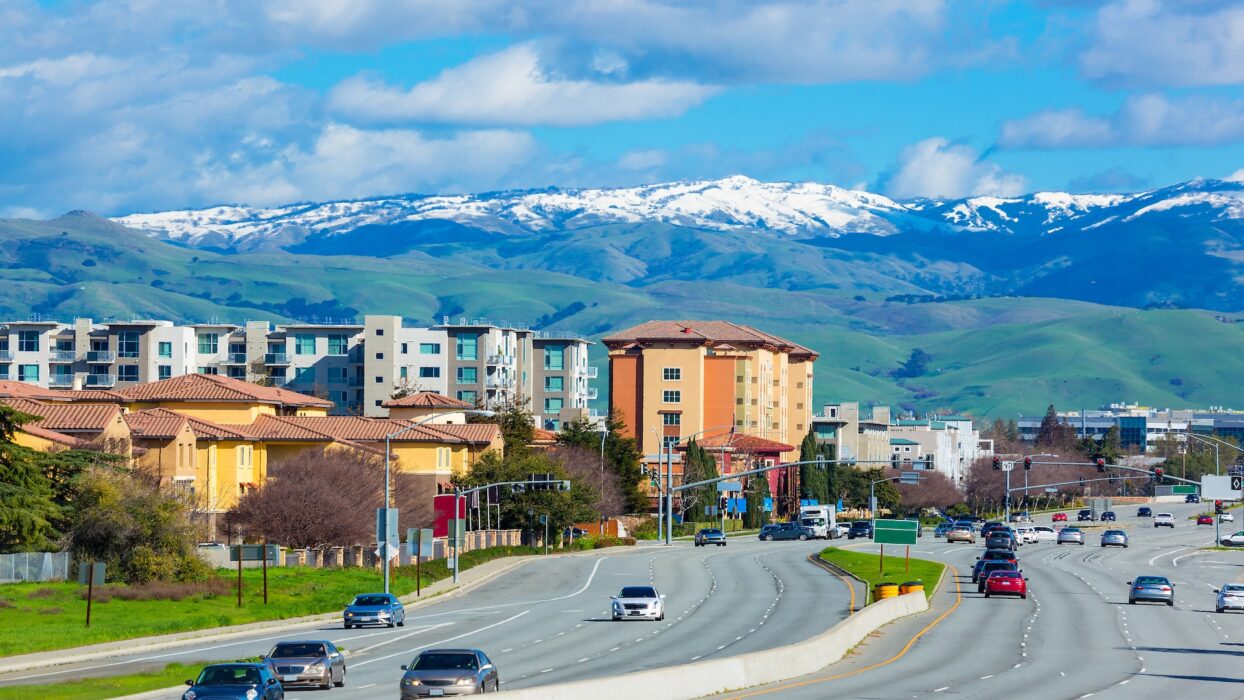
Few American cities have undergone such a dramatic transformation as San Jose, California’s vibrant economic powerhouse. Once known primarily as the quieter sibling of San Francisco, San Jose has evolved into the beating heart of Silicon Valley — a hub of innovation, wealth, and relentless ambition. But beneath the glossy façade of booming tech startups and luxury real-estate developments lies a far more complex story: one of inequality, shifting demographics, and the unspoken challenges that accompany explosive growth.
Read too ; SCC Property Tax: A Comprehensive Guide For 2023
A Brief History of Silicon Valley’s Engine
San Jose’s journey from a modest agricultural town to a global economic engine began in the mid-20th century. With the rise of semiconductor manufacturing in the 1950s and 1960s, the region attracted engineers, inventors, and investors who would eventually define the digital age.
- 1950s–1970s: Early pioneers like Fairchild Semiconductor and IBM laid the foundation for what became Silicon Valley.
- 1980s–2000s: The personal-computer revolution and the internet boom turned San Jose into a magnet for innovation.
- 2010s–Present: Tech giants such as Google, Apple, and Adobe expanded operations, while hundreds of startups emerged from its incubators.
By 2025, San Jose’s GDP per capita ranks among the highest in the United States — but not without consequences.
The Hidden Cost of Prosperity
Economic prosperity has created unprecedented wealth but also exposed sharp divides between those benefiting from the boom and those left behind.
| Economic Indicator (2025) | San Jose | U.S. Average | Trend vs 2020 |
|---|---|---|---|
| Median Household Income | $157,000 | $78,000 | +32% |
| Median Home Price | $1.58 million | $416,000 | +41% |
| Homeless Population | ~7,800 | N/A | +19% |
| Tech Sector Share of Jobs | 43% | 9% | +11% |
Key Issues Beneath the Boom
- Housing Crisis – San Jose’s average rent exceeds $3,200 per month, forcing many middle-income residents to relocate or commute hours daily.
- Income Inequality – The gap between software engineers and service workers has widened dramatically, with the top 10 percent controlling nearly 70 percent of city wealth.
- Infrastructure Strain – Rapid expansion has outpaced transportation and public-service improvements.
- Cultural Displacement – Longtime communities, particularly Latino and Vietnamese neighborhoods, are struggling against gentrification.
Why Businesses Keep Coming
Despite these challenges, San Jose continues to attract global investment. Companies are drawn by several powerful factors:
- Innovation Ecosystem: Proximity to universities such as Stanford and Santa Clara University fuels a continuous talent pipeline.
- Venture Capital Access: The Bay Area receives over one-third of all U.S. venture capital annually.
- Global Connectivity: Mineta San Jose International Airport connects directly to Asia and Europe, facilitating international partnerships.
- Municipal Incentives: Targeted tax breaks and R&D credits lure new businesses.
“San Jose isn’t just a city — it’s a living laboratory for the world’s technological future,”
— Dr. Elena Ruiz, Economic Development Analyst, 2025
The Tech Shadow
While tech growth powers the city’s identity, it also casts a long shadow.
- Automation Anxiety: As AI and robotics advance, lower-skilled positions are disappearing faster than they can be replaced.
- Environmental Impact: Tech campuses consume vast energy resources despite public sustainability pledges.
- Corporate Influence: Critics argue that city planning increasingly caters to corporate needs rather than community welfare.
Case Study: Downtown Redevelopment
The Downtown West Project, spearheaded by Google, exemplifies both opportunity and controversy. The $19 billion mixed-use development promises new offices, parks, and affordable housing — yet local activists warn of displacement.
Projected Outcomes by 2030:
- 20,000 new jobs (60 percent tech-based)
- 4,000 housing units (of which 1,000 are affordable)
- $200 million in community investments
However, economists caution that rising property values could offset the benefits for low-income residents.
The People Powering the City
Amid the billion-dollar valuations and investor headlines are the residents who sustain the local economy.
- Teachers and Nurses: Facing cost-of-living pressures while serving vital roles in community health and education.
- Entrepreneurs: Building small businesses that add diversity beyond tech.
- Immigrant Communities: Maintaining cultural identity in the face of urban change.
Voices from the Ground
“We love San Jose, but it’s becoming impossible to stay,” says Lucia Nguyen, a third-generation resident of Little Saigon. “My parents built their lives here, yet every year, rent gets higher and friends move farther away.”
Such personal stories illuminate what statistics often hide — that prosperity without inclusivity can fracture even the most dynamic cities.
Policy Responses and Challenges
City officials have launched initiatives to balance progress with equity:
- Affordable Housing Mandates: Developers must allocate 15 percent of units as below-market rate.
- Green Transit Expansion: Electrified BART extensions and bike-lane networks.
- Workforce Training: Partnerships with tech firms to retrain workers for AI-driven industries.
Yet critics argue that implementation remains inconsistent and lacks urgency.
Comparing San Jose to Peer Cities
| City | Economic Growth Rate (2024) | Median Rent | Key Challenge |
|---|---|---|---|
| San Jose | 5.8% | $3,200 | Affordability Crisis |
| Austin | 4.9% | $2,200 | Infrastructure Stress |
| Seattle | 4.7% | $2,700 | Corporate Overreach |
| Denver | 3.9% | $1,950 | Population Influx |
| Miami | 3.8% | $2,400 | Climate Risks |
This comparison underscores San Jose’s dual reality: it leads the nation in economic growth but also in living-cost pressures.
Social Implications of the Boom
The ripple effects extend far beyond balance sheets:
- Education: Local schools partner with tech firms to integrate coding curricula, but access gaps persist.
- Healthcare: Rising demand strains hospitals as uninsured populations grow.
- Civic Engagement: Citizens increasingly mobilize through neighborhood coalitions and housing-justice groups.
Looking Ahead: Can San Jose Sustain Its Success?
Economists foresee both promise and peril. On one hand, continued innovation could cement San Jose’s place as a global leader in green technology, quantum computing, and AI research. On the other, unchecked growth may deepen social divisions.
Key Forecasts for 2030:
- GDP growth projected at 4.5% annually
- Tech employment up by 22%
- Housing demand exceeding supply by 15%
- Increased calls for regional governance to manage urban sprawl
Expert Commentary
“The San Jose Economic Boom represents both the pinnacle and the paradox of modern capitalism,” explains Dr. Marcus Levin, an urban economist. “It’s a case study in how innovation economies can thrive while simultaneously undermining their social fabric if equity isn’t prioritized.”
Key Takeaways
- The San Jose Economic Boom is fueled by tech, innovation, and venture capital.
- Wealth inequality and housing costs remain the city’s biggest challenges.
- Infrastructure and inclusivity policies will determine long-term sustainability.
- San Jose’s future may depend on how effectively it shares prosperity across its diverse population.