
It’s Not Just a Game: The Psychology Behind Why Losing Feels So Personal
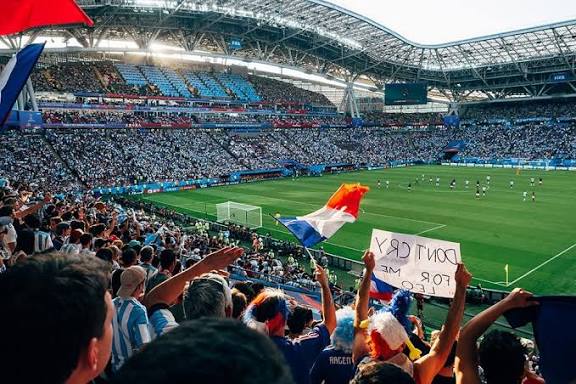
It’s a scene that plays out in living rooms and sports bars across the world: a grown adult, head in their hands, fighting back tears after their team suffers a crushing defeat. To an outsider, the reaction might seem disproportionate, even silly. “It’s just a game,” they say. But for the fan, it feels like so much more. It feels like a piece of them has been lost.
This profound emotional response isn’t a sign of immaturity or overreaction. It’s a powerful, neurological, and psychological phenomenon rooted in one central concept: identity. When we invest in a sports team, we are not merely spectators; we are incorporating that team into our very sense of self. This article delves into the science and psychology behind why a loss on the field feels like a personal loss, and how understanding this connection can help us navigate the emotional rollercoaster of fandom.

The Foundation: Social Identity Theory
To understand the fan’s pain, we must first understand where the fan’s identity comes from. The cornerstone of this understanding is Social Identity Theory, pioneered by psychologist Henri Tajfel.
Social Identity Theory proposes that a significant part of an individual’s self-concept is derived from their membership in social groups. These groups—whether based on nationality, religion, or, in this case, a sports team—provide us with a sense of belonging and self-esteem. We derive pride from the group’s successes, and we feel shame from its failures.
As Tajfel and his colleague John Turner outlined, we naturally categorize people into “in-groups” (us) and “out-groups” (them). When you are a fan of the Liverpool FC, for example, Liverpool becomes your in-group. Supporters of Manchester United instantly become the out-group. This tribal categorization is primal. The team’s victory becomes your victory; its loss becomes your loss. You didn’t just watch a loss; your tribe was defeated.
In essence, fans don’t just support their team; they are their team.
The Neurological Rollercoaster: It’s All in Your Head (Literally)
The connection between fan and team isn’t just psychological; it’s biological. Modern neuroscience has shown that the brains of passionate fans react to sporting events in ways strikingly similar to how they would react if they were the ones on the field.
-
Mirror Neurons and Empathy: Our brains are equipped with mirror neurons, which fire both when we perform an action and when we see someone else perform that same action. When you watch your star quarterback evade a tackle and throw a perfect spiral, the motor areas of your brain associated with that movement light up as if you were making the throw yourself. This neural mirroring creates a deep, empathetic link between you and the players, blurring the line between observer and participant.
-
The Chemical Cocktail of Fandom: Our emotional states are governed by neurotransmitters, and sports fandom triggers them powerfully.
-
Dopamine: The “reward” chemical. A last-minute winning goal causes a massive surge of dopamine, creating euphoria.
-
Cortisol: The “stress” hormone. A nail-biting close game or a crucial missed penalty kick sends cortisol levels soaring, inducing anxiety.
-
Testosterone: Studies have shown that male fans experience a rise in testosterone after a victory and a drop after a loss, mirroring the hormonal changes of the actual competitors. This isn’t just emotion; it’s a physiological shift.
-
-
Brain Scan Evidence: A landmark study published in the Chicago Tribune highlighted research from the University of Chicago. Scientists performed fMRI scans on avid fans while they watched their team play. The results were astonishing: the brain activity of fans when their team scored, missed, or was threatened showed patterns consistent with actual love, threat response, and personal accomplishment. The brain, quite literally, processes fandom as a real-life experience.
Also read : The Pre-Game Ritual: How Music Forges Champions
BIRGing and CORFing: The Social Rituals of Winning and Losing
The way we talk about our teams further reveals this identity fusion. Psychologists have identified two key behaviors:
-
BIRGing – Basking In Reflected Glory: This is the act of associating oneself with a successful other to enhance your own self-esteem. After a big win, fans are far more likely to use the pronoun “we.” “We played so well!” “Our defense was incredible!” By aligning themselves with the victors, fans soak up the glory and boost their own social status.
-
CORFing – Cutting Off Reflected Failure: The flip side of BIRGing. After a painful loss, fans distance themselves from the team to protect their self-esteem. They switch to third-person pronouns: “They blew it.” “I don’t know what they were thinking.” This psychological distancing is a defense mechanism to prevent the team’s failure from tarnishing one’s own identity.
These behaviors aren’t conscious deceptions; they are automatic psychological tools we use to manage the emotional impact of our team’s performance on our own self-worth.
The Psychological Impact: When a Loss Feels Like Grief
For the most identified fans, a significant loss—especially in a championship game—can trigger a genuine grieving process. The loss represents the death of a dream, a future that was intensely imagined and emotionally invested in. The stages of grief, as outlined by Elisabeth Kübler-Ross, can often be observed:
-
Denial: “This isn’t happening. There’s still time.”
-
Anger: “The referee was terrible! The coach made horrible calls!”
-
Bargaining: “If only that one play had gone differently…”
-
Depression: The sadness, the tears, the feeling of emptiness.
-
Acceptance: Eventually, coming to terms with the loss and moving on.
This grief is real and valid because the fan wasn’t just losing a game; they were losing a part of their anticipated narrative and identity.
Data Table: The Fan’s Emotional & Physiological Response
| Event | Psychological Response | Physiological / Behavioral Response | Underlying Mechanism |
|---|---|---|---|
| Last-Second Win | Euphoria, BIRGing, heightened self-esteem | Surge in Dopamine, increased Testosterone (in men), celebratory actions | Reward pathway activation, social identity reinforcement |
| Narrow Loss | Frustration, Anger, CORFing | Spike in Cortisol, decreased Testosterone, criticism of team/referee | Threat response, self-esteem protection |
| Championship Loss | Grief, Sadness, Identity Threat | Symptoms akin to mild depression; loss of appetite; social withdrawal | Attachment system activation, shattered narrative |
| Rivalry Game Win | Schadenfreude (pleasure at rival’s misery), Tribal Pride | Heightened arousal, boasting on social media, in-group bonding | Social Identity Theory, in-group/out-group dynamics |
| Blowout Loss | Apathy, Embarrassment, Disengagement | Neural “shut-down,” switching off the game, emotional numbing | Learned helplessness, cognitive dissonance reduction |
Beyond the Game: The Real-World Benefits of Fandom
While the pain of loss is sharp, it’s important to remember that this deep identification also has tremendous benefits. Fandom provides:
-
A Sense of Belonging: In an increasingly disconnected world, sports teams offer a ready-made community. Wearing the same colors, singing the same chants, and sharing the same emotional journey creates powerful social bonds.
-
A Source of Meaning and Narrative: Sports provide a clear, compelling storyline with heroes, villains, triumphs, and tragedies. This narrative adds structure, excitement, and meaning to our lives.
-
An Emotional Outlet: The raw passion of sports allows for a safe and socially acceptable expression of emotions that might be suppressed in other areas of life.
As noted by a article in The Atlantic on the sociology of sports, this communal aspect acts as a modern-day “social glue,” connecting diverse individuals through a shared passion.
How to Cope: Managing the Emotional Investment
Understanding that your fandom is tied to your identity is the first step toward managing the emotional lows. Here are a few strategies:
-
Practice Mindfulness: Acknowledge the feeling of sadness or anger without judgment. Say to yourself, “I am feeling this pain because I care deeply, and that is okay.”
-
Maintain Perspective: While the game feels all-consuming in the moment, consciously remind yourself of the other, more permanent pillars of your identity: your family, your career, your hobbies.
-
Connect with Your Community: Don’t CORF. Talk to fellow fans. Sharing the pain with your in-group can be incredibly therapeutic and reinforce the social bonds that are a positive aspect of fandom.
-
Limit Doom-Scrolling: After a loss, avoid spending hours on social media reading negative comments and hot takes. This only reinforces the negative emotional spiral.
Conclusion: More Than a Game, A Part of Us
The tears shed by a fan when their team loses are not about a final score. They are the visible expression of a complex interplay of psychology, neurology, and social identity. The game is a vessel into which we pour our hopes, our pride, and our sense of belonging. When that vessel breaks, it’s natural to feel the loss personally.
So the next time you see someone heartbroken over a sports loss, or you find yourself feeling that way, remember the science. It’s not just a game. It’s a story you are a part of. It’s a tribe you belong to. It’s identity. And there is nothing trivial about that.
Citations & Further Reading:
-
Tajfel, H., & Turner, J. C. (1979). “An integrative theory of intergroup conflict.” In The social psychology of intergroup relations. Link to simply psychology overview
-
Bernstein, S. (2009). “Your Brain on Sports.” Chicago Tribune.
-
Cialdini, R. B., et al. (1976). “Basking in reflected glory: Three (football) field studies.” Journal of Personality and Social Psychology.
-
Sullivan, P. (2018). “The Sociology of Sports Fandom.” The Atlantic. Link to article
-
University of Utah Health. “The Psychology of Sport.”