
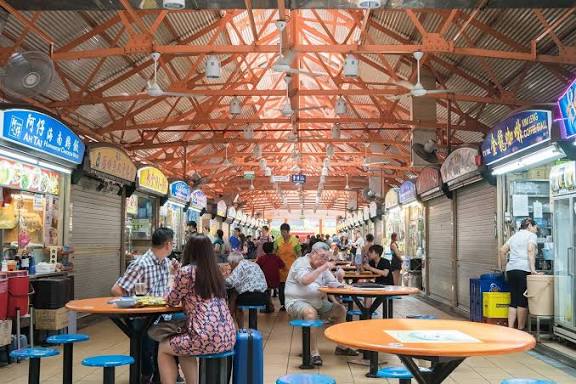
Singapore is a food lover’s paradise — and at the heart of this culinary heaven lies the hawker centre. From sizzling satay to aromatic laksa, these bustling open-air food courts represent the soul of Singapore’s diverse food culture. But beneath the familiar flavors and long queues lie hawker centre secrets Singapore locals know well — hidden gems, unspoken rules, and the fascinating stories behind every dish.
Whether you’re a first-time visitor or a long-time resident, this guide will unveil the best-kept hawker centre secrets in Singapore, taking you beyond the tourist trail and deep into the city’s authentic street food heritage.
1. The History Behind Singapore’s Hawker Centres
The story of hawker centres dates back to post-war Singapore, when street vendors sold inexpensive meals from pushcarts. By the 1970s, to improve hygiene and organization, the government centralized these vendors into permanent complexes — giving birth to the modern hawker centre.
These communal eating spaces quickly evolved into cultural icons, offering affordable, high-quality food accessible to everyone. Today, hawker culture is so integral to the nation’s identity that in 2020, Singapore’s hawker culture was inscribed on UNESCO’s Representative List of the Intangible Cultural Heritage of Humanity — a global recognition of the nation’s culinary heart.
Hawker Centre Secrets Singapore isn’t just about food; it’s about understanding a living heritage that unites people from all walks of life.
2. Hidden Hawker Centres Locals Love
Most visitors flock to famous hawker centres like Lau Pa Sat or Maxwell Food Centre. But Singaporeans know the best food often hides in lesser-known spots. Here are a few hidden hawker gems you shouldn’t miss:
a. ABC Brickworks Food Centre (Bukit Merah)
This quiet hawker haven is home to legendary chicken rice, smoky char kway teow, and a famous western stall called Wow Wow West. Locals come here for generous portions and nostalgic vibes — a true insider’s pick.
b. Old Airport Road Food Centre
Ask any Singaporean about authentic hawker eats, and this place tops the list. From Lao Ban beancurd to Nam Sing Hokkien Mee, it’s a treasure trove of culinary tradition.
c. Whampoa Makan Place
Fewer tourists know this hawker centre, but its carrot cake, lor mee, and BBQ stingray are household favorites among locals.
d. Amoy Street Food Centre
Nestled in the CBD, it’s where office workers queue for Michelin-rated hawker stalls. Try A Noodle Story, the “Singapore-style ramen” that blends local and Japanese flavors.
Exploring these hidden hawker centres reveals the true essence of Singapore’s street food scene — unpretentious, authentic, and rich in local stories.
3. Secrets to Ordering Like a Local
Knowing where to eat is only half the secret. To truly enjoy hawker centre Singapore food, you must learn the unspoken etiquette and hacks that locals follow:
Tip 1: Chope with Tissues
One of the quirkiest local customs is the “chope” — reserving a seat with a packet of tissues or an umbrella. Don’t mistake it for abandoned items; it’s a sacred reservation system in hawker culture!
Tip 2: Queue for Quality
Long lines are usually a good sign. Singaporeans will patiently queue for over 30 minutes if a dish is worth it. Trust the locals — if there’s a line, the food’s likely exceptional.
Tip 3: Know the Peak Hours
The best time to visit hawker centres is before the lunch rush (around 11 AM) or after dinner (around 8 PM). You’ll skip the crowds and get fresher servings.
Tip 4: Return Your Tray
Singapore has a strong culture of cleanliness. Always return your trays after eating. It’s part of being a responsible diner — and it keeps the hawker culture sustainable.
4. Signature Dishes You Can’t Miss
Each hawker centre has its own must-try specialties, but here are Singapore’s iconic dishes that every foodie should seek out:
Hainanese Chicken Rice
Often dubbed Singapore’s national dish, this simple yet flavorful combination of poached chicken, fragrant rice, and chili sauce defines local comfort food.
Char Kway Teow
Stir-fried flat noodles with egg, Chinese sausage, and cockles, cooked over high heat for that distinctive “wok hei” aroma — a smoky flavor only the most skilled hawkers can achieve.
Laksa
A spicy coconut-based noodle soup that blends Malay and Chinese influences. Katong Laksa is particularly famous, served with short noodles that can be eaten with a spoon.
Satay
Grilled meat skewers served with peanut sauce — perfect for sharing during night-time hawker adventures.
Carrot Cake (Chai Tow Kway)
Despite its name, it contains no carrots. This dish is made from radish cake stir-fried with eggs and preserved radish. Try both the white and black versions to see which you prefer.
Each dish tells a story — one that’s deeply tied to Singapore’s multicultural roots.
5. The Michelin-Starred Hawker Stalls
A secret few visitors know: Singapore is home to the world’s cheapest Michelin-starred meals.
Two hawker stalls made culinary history in 2016 by earning Michelin stars:
- Liao Fan Hong Kong Soya Sauce Chicken Rice & Noodle
- Hill Street Tai Hwa Pork Noodle
Their inclusion in the Michelin Guide proved that world-class cuisine doesn’t need to come from fine dining restaurants. Even at $3 a plate, hawker food can be Michelin-worthy.
For foodies chasing Hawker Centre Secrets Singapore, these stalls represent the ultimate testament to culinary excellence and humility.
6. Hawker Heroes: The People Behind the Food
Behind every stall is a story — of resilience, heritage, and passion.
Many hawkers are second- or third-generation cooks, preserving recipes passed down through decades. Some began as street vendors in the 1950s and continue cooking with the same techniques and dedication today.
In recent years, a new wave of young hawkerpreneurs has joined the scene. These modern chefs blend tradition with creativity, offering dishes like fusion ramen, truffle wanton noodles, and plant-based nasi lemak.
This blend of old and new ensures Singapore’s hawker culture continues to evolve while keeping its soul intact.
7. Hidden Menu Items and Local Hacks
One of the most exciting hawker centre secrets Singapore locals swear by is the existence of “off-menu” items and secret combinations.
- Ask for “extra wok hei” – Some hawkers will fry your noodles longer for that irresistible smoky flavor.
- Order “kosong” – This means “without sugar” or “plain,” useful when ordering kopi (coffee) or teh (tea).
- Mix sauces – Combining chili and vinegar at the condiment station can elevate dishes like dumplings or carrot cake.
- Custom orders – Regulars often ask for extra ingredients, half-boiled eggs, or “dry” versions of soupy dishes. Don’t be afraid to request politely.
These small insider tips make your hawker experience more authentic — and infinitely tastier.
8. Eco-Friendly Dining and Sustainability
Hawker centres aren’t just evolving in flavor — they’re going green. Many now promote sustainable dining practices, such as:
- Encouraging reusable cutlery and containers
- Introducing composting and recycling bins
- Using energy-efficient stalls and biodegradable packaging
Hawkers like O’Brew Culture and Green Bliss Eatery lead the eco-friendly wave, serving plant-based dishes and minimizing waste.
Supporting these initiatives ensures that the hawker culture thrives for generations — not just as a culinary icon but as a model for sustainability.
9. The Future of Hawker Culture
While beloved, Singapore’s hawker scene faces challenges: aging hawkers, rising costs, and changing consumer habits. To preserve this heritage, the government has launched initiatives like:
- The Hawkers Succession Scheme, encouraging young Singaporeans to take over family stalls.
- The Incubation Stall Program, providing mentorship and reduced rentals for new hawkers.
- Digital transformation, allowing cashless payments via QR codes and online delivery apps.
These efforts reflect a national commitment to keep hawker culture alive and relevant — ensuring every generation can savor its magic.
10. Best Hawker Centres by Specialty
If you’re short on time, here’s a cheat sheet of hawker centres by what they’re best known for:
| Type of Food | Best Hawker Centre | Must-Try Dish |
|---|---|---|
| Chicken Rice | Maxwell Food Centre | Tian Tian Chicken Rice |
| Char Kway Teow | Hill Street or Bedok South | Outram Park Fried Kway Teow |
| Satay | Lau Pa Sat | Satay Street (after 7PM) |
| Laksa | Katong Laksa, Queensway | 328 Katong Laksa |
| Fish Soup | Amoy Street Food Centre | Han Kee Fish Soup |
| Dim Sum | Chinatown Complex | Zhong Guo La Mian Xiao Long Bao |
| Rojak | Old Airport Road | Brother Rojak |
Knowing where to go (and what to order) turns a good meal into a great one.
11. Cultural Etiquette and Dining Manners
To enjoy Hawker Centre Secrets Singapore like a true local, keep these cultural etiquette tips in mind:
- Share tables – Space is limited, so it’s normal to sit with strangers.
- Don’t reserve multiple seats – Chope only one at a time.
- Pay cash or e-payment upfront – Most stalls operate on a pay-first system.
- Thank the hawker – A simple “thank you” or “terima kasih” goes a long way.
This sense of community and respect is what keeps hawker culture warm and welcoming.
12. Why Hawker Centres Define Singapore’s Identity
Hawker centres are more than food courts — they are the beating heart of Singapore’s social life. Here, people from all backgrounds share tables, conversations, and flavors. Every dish reflects a story of multicultural harmony — Chinese, Malay, Indian, and Peranakan influences merging into one nation’s taste.
When you explore the hawker centre secrets Singapore offers, you’re not just eating — you’re tasting the nation’s history, diversity, and unity on a plate.
13. Tips for Tourists Visiting Hawker Centres
If you’re visiting Singapore and planning your hawker adventure, keep these travel-friendly tips in mind:
- Carry small notes (SGD $2-$5) — some stalls don’t accept large bills.
- Try local drinks like kopi, teh tarik, or sugarcane juice.
- Explore night markets such as Newton Food Centre or East Coast Lagoon.
- Watch out for closing times — many hawkers sell out by 8 PM.
- Bring wet wipes — tables may not always be spotless after peak hours.
These small preparations make your hawker journey smoother and more enjoyable.
14. The Spirit of Community
What truly makes hawker centres special isn’t just the food — it’s the community spirit. Regulars greet stall owners by name, strangers share tables, and generations gather over a bowl of noodles.
Hawker centres embody Singapore’s values: hard work, unity, and passion for excellence. It’s no wonder locals take such pride in preserving this culture, ensuring it remains affordable, accessible, and authentically Singaporean.
The Real Taste of Singapore
The Hawker Centre Secrets Singapore holds aren’t just about where to eat — they’re about how to experience food as a cultural journey. From hidden stalls in quiet neighborhoods to the Michelin-starred masters of flavor, each bite carries decades of tradition and love.
So the next time you visit a hawker centre, don’t just order — observe, interact, and savor. You’ll uncover a side of Singapore that no restaurant can replicate: the taste of community, history, and home.