
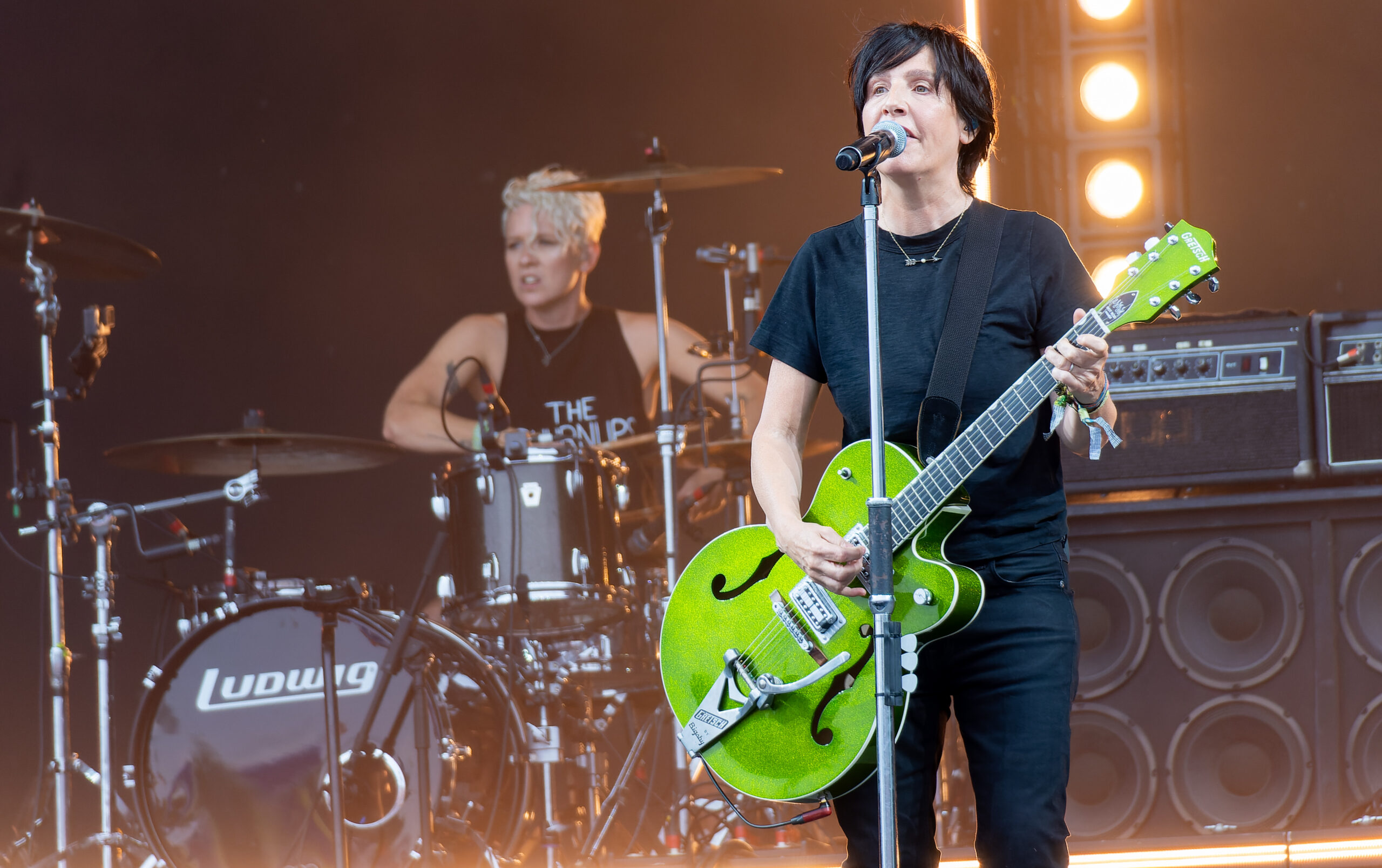
For decades, Nashville has reigned supreme as the unquestioned capital of American music — the place where stars are made, careers are defined, and trends are born. But as the musical landscape evolves in the 21st century, a new contender has been quietly rising from the south and west. Texas, long known for its rugged independence, is no longer just producing great musicians — it’s building a full-fledged music empire that rivals Nashville’s influence in sound, culture, and industry.
This shift isn’t just about geography; it’s about a philosophy of creativity. While Nashville fine-tunes its polished pop-country formula, Texas thrives on raw authenticity, genre fusion, and grassroots connection. The result? A movement powerful enough to make the music establishment — yes, even Nashville — a little nervous

From Outlaw Roots to Modern Independence
To understand why Nashville is watching Texas so closely, we need to go back to the roots of the “Lone Star Sound.”
In the 1960s and ’70s, Texas artists like Willie Nelson, Waylon Jennings, and Towns Van Zandt rebelled against the slick, formulaic production coming out of Nashville. They called their rebellion “Outlaw Country” — a movement that prized grit, poetry, and individuality over mainstream polish.
That outlaw ethos never died. Instead, it evolved. Today’s Texas musicians — from country revivalists to indie rockers and hip-hop producers — embody the same spirit of independence. They don’t wait for permission from major labels or Nashville producers. They build their own audiences, record in their own studios, and perform on their own terms.
Where Nashville built a machine, Texas built a community.
The Texas Music Boom: Bigger, Broader, and Bolder
In the past decade, Texas has transformed from a “regional scene” into a national powerhouse. The growth is visible across genres, cities, and platforms.
1. Country Music, Reinvented
Texas never gave up on traditional country, but it also refused to let the genre grow stale. Artists like Cody Johnson, Parker McCollum, and Aaron Watson have proven that Texas country — with its storytelling, twang, and unfiltered emotion — still resonates deeply with audiences.
Unlike Nashville’s often glossy pop-country hybrids, Texas country feels organic and grounded. Fans describe it as “music you can believe in.” And with streaming platforms breaking down geographical barriers, these artists are reaching global audiences without ever needing to relocate to Tennessee.
2. Beyond Country: Hip-Hop, Tejano, and Rock on the Rise
Texas is not a one-genre state. Houston’s hip-hop scene, anchored by legends like Bun B, Megan Thee Stallion, and Travis Scott, has become a dominant force in American rap. The city’s chopped-and-screwed sound is now part of mainstream hip-hop DNA.
Meanwhile, in San Antonio and along the border, Tejano and Latin music continue to grow — blending English and Spanish lyrics with rhythms that reflect the multicultural heartbeat of the state. Add Austin’s indie rock and Fort Worth’s blues revival, and Texas offers a complete musical ecosystem — something even Nashville can’t claim.
3. A Business Infrastructure to Match
The rise of Texas music isn’t just artistic — it’s structural. The state now hosts hundreds of independent labels, production studios, and live-music venues that rival Nashville’s famed Music Row.
Cities like Austin, Dallas, and Houston have become creative hubs where artists can record, collaborate, and perform — often at lower costs and with greater creative control. Add to that a loyal fanbase that fills festivals year-round, and you have an ecosystem that no longer needs to depend on Nashville’s industry gatekeepers.
Also read : The Lone Star Sound: How Texas Keeps Reinventing American Music
Austin: The Live Music Capital That Won’t Quit
If Nashville is the city of songwriting sessions, Austin is the city of live performance.
Every night, dozens of venues across Austin hum with energy — from hole-in-the-wall bars on 6th Street to iconic stages like Antone’s and The Continental Club. The city’s festival culture — South by Southwest (SXSW), Austin City Limits, and countless others — draws global audiences and industry insiders alike.
This live-music dominance has given Austin musicians a kind of superpower: direct connection with fans. They don’t need heavy promotion or label marketing. Their reputations are built night after night, one crowd at a time.
It’s an approach that’s refreshingly old-school — and it works. While Nashville artists may chase radio play, Austin artists thrive on the raw electricity of live performance. The result is a music scene that feels real, immediate, and alive.
Houston: The New Sound of the South
While Austin claims the live-music title, Houston is quietly becoming one of the most innovative music cities in America.
The city’s hip-hop scene has exploded into national prominence. Artists like Megan Thee Stallion and Travis Scott are chart-topping, Grammy-winning superstars who maintain deep ties to their hometown. Their global influence has made Houston synonymous with creative risk-taking and authentic Southern swagger.
But Houston isn’t just hip-hop. It’s also a melting pot for R&B, gospel, and experimental sounds. The city’s diversity fuels its creativity, with influences from Latin America, Africa, and Asia blending into something entirely new.
Nashville has long dominated country and Americana — but Houston’s rise shows that the future of American music might be a lot more diverse, rhythmic, and global than ever before.
Dallas and Fort Worth: Where Tradition Meets Innovation
While Austin and Houston steal the headlines, Dallas–Fort Worth quietly holds the middle ground — bridging the traditional and the modern.
Dallas has become a center for recording studios, country artists, and emerging pop acts. Fort Worth, on the other hand, leans into its cowboy culture, producing authentic country and Americana talent. Together, they form a balance that keeps the Texas scene rooted yet evolving.
The region’s festivals — from Fort Worth’s Stockyards Festival to Dallas’ Deep Ellum Arts Festival — showcase the full spectrum of Texas music. It’s not unusual to see a country singer, a blues guitarist, and a bilingual hip-hop artist share the same bill.
That diversity is both Texas’s strength and Nashville’s challenge: how do you compete with a state that celebrates every sound under the sun?
The Numbers Don’t Lie: Texas Is Winning the Audience
The data backs up the buzz.
-
Spotify and Apple Music have seen explosive growth in streams for Texas artists across multiple genres.
-
Concert ticket sales for Texas country and indie acts have surged, even outside the state.
-
Tourism boards now brand Texas cities around their music scenes, attracting fans from around the world.
-
SXSW alone injects hundreds of millions of dollars into the state economy annually — a reminder that Texas music isn’t just culture, it’s commerce.
Meanwhile, Nashville faces criticism for creative stagnation — a reliance on formulaic hits and a lack of diversity in its mainstream output. Texas, by contrast, feels fresh, unpredictable, and fearless.
Why Nashville Is Watching Closely
It’s not that Nashville is collapsing — far from it. The city remains a juggernaut of songwriting talent, major labels, and recording expertise. But what’s happening in Texas represents a shift in power.
For decades, artists had to move to Nashville to “make it.” Today, they can build massive audiences from Austin, Dallas, or Houston instead. They can self-produce, self-release, and still top charts.
This democratization of success — powered by streaming platforms and social media — means geography matters less. And in that new landscape, Texas holds all the cards: diverse talent, loyal fans, independent infrastructure, and cultural swagger.
Nashville isn’t just watching — it’s rethinking.
The Philosophy Divide: Authenticity vs. Assembly Line
At its heart, the Nashville-Texas rivalry isn’t about who sells more records — it’s about creative identity.
-
Nashville often operates like an industry — polished, professional, and collaborative to a fault. Songs are crafted in writers’ rooms, tailored for radio, and designed for maximum commercial appeal.
-
Texas, meanwhile, operates like a frontier — untamed, independent, and emotionally raw. Songs are written in bars, on back porches, or alone in the desert. They’re not designed for algorithms; they’re born from life.
Audiences can feel that difference. In an era when listeners crave authenticity, Texas’s imperfections become its greatest asset. The “Texas Sound” isn’t about perfection — it’s about truth.
Texas Music Festivals: The Empire on Display
Festivals are where the Texas music empire truly shines.
From Austin City Limits and SXSW to Larry Joe Taylor Fest, Lone Star Jam, and Houston Rodeo Concerts, Texas hosts more large-scale music events than any other state. These festivals serve as both economic engines and cultural showcases, reinforcing Texas’s identity as America’s new music frontier.
Unlike many Nashville events that focus narrowly on country, Texas festivals celebrate genre diversity. You might see a bluegrass band followed by a Latin pop act, then a hip-hop artist headlining that same night. It’s a reflection of the state’s openness — and a reminder that the Texas empire is built on inclusion, not conformity.
Challenges Ahead: Can Texas Keep Its Soul?
With growth comes risk. As Texas gains attention and investment, it faces the same temptations that once plagued Nashville — commercialization, overproduction, and creative fatigue.
The challenge for Texas will be to preserve its authenticity while scaling up. To keep the outlaw spirit alive, even as it becomes an empire. To ensure that the music remains grounded in the lives, stories, and landscapes that birthed it.
If Texas can strike that balance, its rise won’t just rival Nashville — it may redefine what a music capital looks like in the 21st century.
Conclusion: The Empire Strikes Lone Star
Texas doesn’t want to be Nashville — and that’s exactly why it’s winning.
The Lone Star State isn’t chasing formulas or replicating an industry model. It’s creating its own — one built on independence, diversity, and relentless creativity. From the stages of Austin to the studios of Houston, from the honky-tonks of Fort Worth to the border towns of El Paso, Texas is proving that music can still be personal, powerful, and proudly local.
Nashville might still hold the crown, but Texas has the fire — and in this new era of streaming, authenticity, and audience-driven success, that might be all it needs.
So yes, Nashville is nervous.
And it should be.
Because the next great chapter of American music may not be written on Music Row —
It might already be echoing across the wide-open plains of Texas.