
When you think of Texas, you might imagine wide-open ranches, cowboy boots, line dancing, oil rigs, and the deep twang of country music. But look a little closer—and the story that emerges is far richer and far more complex. Today, Texas is not just the land of the Lone Star: it’s a place where cultures collide, identity is re-shaped, economies are remade, and a new version of America is taking form. In many ways, Texas is America’s living laboratory for diversity.
Here’s how that transformation happened, what it looks like today, and why it matters for the nation.
1. From Frontier to Fusion: A Historical Arc
Texas has always been a place of arrival. Long before it was a U.S. state, its lands were home to Indigenous nations, Spanish colonizers, Mexican governance, European settlers, and others. (Encyclopedia Britannica) Over time, migration waves built up the mix: Germans in the Hill Country, Czechs and Poles, Swedes and Norwegians—many left small European villages for the promise of land in Texas. (Encyclopedia Britannica)
Post-1970s, the story shifted dramatically. Urbanization, high-technology industries, oil and beyond—these economic trends drew people not only from other U.S. states but from across the globe. (Encyclopedia Britannica) The result: Texas’ demographic baseline began changing. As the encyclopedia notes, “the state has become increasingly ethnically diverse, especially since 1990.” (Encyclopedia Britannica)
In short, Texas’ past gave it the foundations of diversity; its present is built on the accelerating force of global, national, and internal migration.
2. A State in Numbers: The Diversity Is Real
The claim that Texas is a melting pot isn’t just poetic—it’s quantifiable.
- In 2025, Texas ranked No. 2 among U.S. states in overall diversity, according to a WalletHub study. (CultureMap Houston)
- The racial and ethnic mix: approximately 40 % white, ~40 % Hispanic or Latino, ~12 % Black, and ~5 % Asian. (CultureMap Houston)
- Nearly 35 % of Texas residents speak a non-English language at home. (CultureMap Houston)
- From 2014 to 2024, the foreign-born population rose from about 16.8 % to 18.4 % of the state population—roughly 5.76 million people in 2024. (USAFacts)
- The Hispanic population in Texas officially became the largest share of any demographic group in 2022. The U.S. Census data showed Hispanic Texans at 40.2 % vs non-Hispanic whites at 39.8 %. (Chron)
- The Asian American population is the fastest-growing racial group in Texas—rising 5.5 % from 2022 to 2023, faster than state-wide population growth. (The Texas Tribune)
These numbers tell a story: one of arrival, change, and transformation. They also hint at what lies beneath the surface—economic shifts, cultural blending, generational change.

3. The Engines of Change: What’s Driving the Diversity
a) Immigration and International Movement
Texas is not just receiving migrants from within the U.S.—it’s a destination for global migration. From Latin America, Asia, Africa, and beyond. The diversity of immigrant origins has increased. In fact, the immigrant-origin diversity index (a measure of how varied the sources of immigrants are) rose from 0.67 in 2005 to 0.90 by 2013 in Texas. (demographics.texas.gov) That means Texas’ immigrant population is just about as varied as the well-established immigrant hubs like California or New York.
b) Domestic Migration and Young Talent
Texas has also gained people moving from other U.S. states, especially young professionals, creative types, and new families. According to a recent analysis, in 2023 nearly all of Texas’s population growth was attributable to people of color, and a significant portion of new arrivals were Millennials and Gen Z. (Business Insider)
c) Economic Opportunity & Affordable Living
Jobs in tech, healthcare, energy, infrastructure—Texas has offered opportunities. Simultaneously, housing and cost-of-living have been competitive compared to many coastal states. This has made Texas attractive to folks seeking growth, change, or a fresh start, regardless of origin.
d) Geography and Proximity
Bordering Mexico, sharing gateways to Latin America, and possessing major ports and airports connected globally, Texas is geographically positioned to be a crossroads of culture and commerce. The state’s large size and varied economy also mean it can absorb, adapt to, and incorporate new arrivals more easily.
4. What Melting Pot Means in Practice: Culture, Food, Music, Identity
The “melting pot” metaphor is often used loosely—but in Texas, you can see it in concrete everyday ways.
Food as Fusion
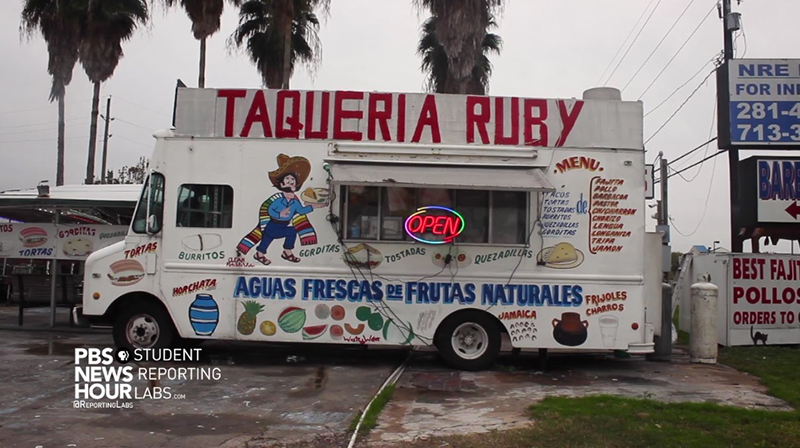
Walk through Houston, Dallas, Austin, or San Antonio and you’ll find tacos next to BBQ pits next to Vietnamese pho shops next to Nigerian jollof cafés next to Tex-Mex and fusion sushi-burritos. These culinary mash-ups don’t just coexist—they influence each other.
Music, Art & Creative Hybridization
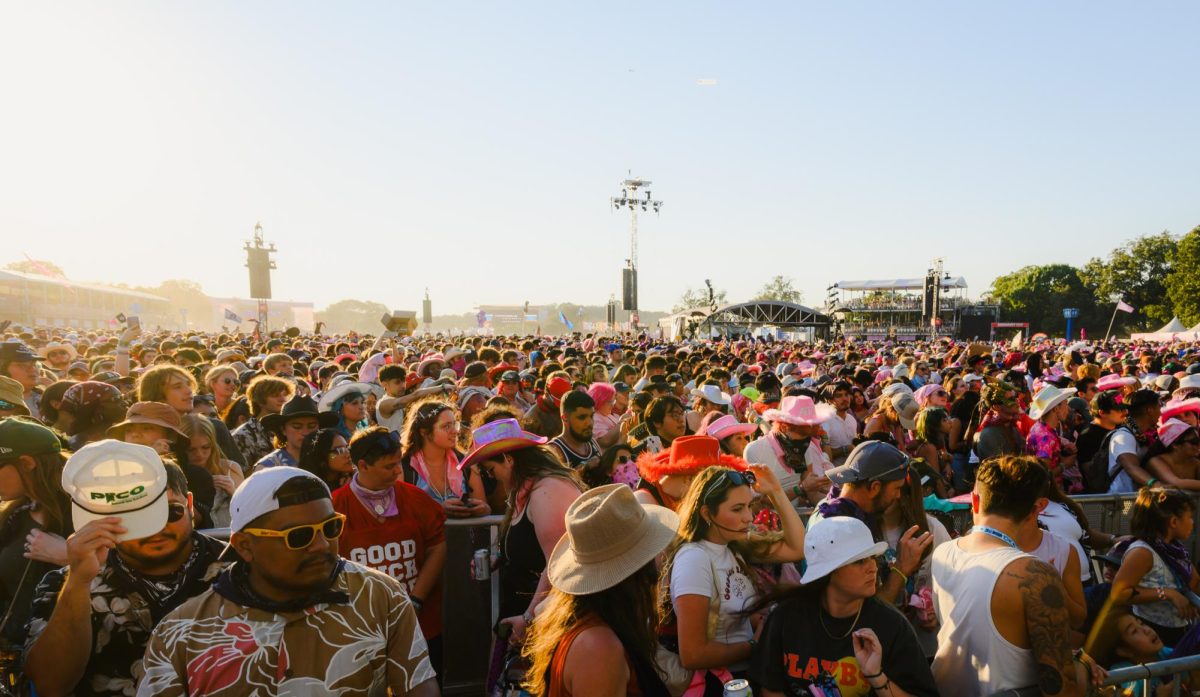
Just as food mixes, so do music and art. Traditional country and Western styles meet hip-hop, Latin rhythms, Afrobeat, and electronic sounds. Street art and murals reflect immigrant stories. Artists draw inspiration across traditions. The state’s historic identity—cowboys, oil, vast landscapes—is being rewoven with multi-ethnic narratives and global references.
Language & Everyday Life
With ~35 % of Texas households speaking non-English languages at home, multilingualism is part of what Texans live with. (CultureMap Houston) Bilingual signage, multicultural celebrations, neighborhoods defined by national origin—these are everyday scenes in many Texas cities.
Identity & Community
Immigrant communities don’t just settle—they build institutions: business associations, cultural festivals, media outlets, places of worship, community centers. Over time, these new arrivals become part of the local fabric, influencing politics, schools, and civic life. As one editorial put it: “This is a long-settled population with deep roots in the United States… People who open businesses and employ workers including U.S. workers…” (AP News)
5. Case Studies: Cities, Neighborhoods & Microcosms
Houston: A Global Major
Houston is often cited as one of the most ethnically and nationally diverse cities in the country. According to recent metrics, nearly 1 in 4 residents of Harris County are foreign-born. (Houston Chronicle) The city hosts nearly 90 foreign consulates and has flights to dozens of international destinations—evidence that its global reach is real. (Financial Times)
Dallas-Fort Worth / Austin: Growing Diversity Hubs
The Dallas–Fort Worth metro and Austin region are also magnets for immigrants and inter-state migrants. For example: Asian Americans in the Austin-Round Rock-San Marcos metro area grew by 10.5 % between 2022 and 2023. (The Texas Tribune)
Neighborhood Evolution
Neighborhoods once homogenous are becoming multicultural. You’ll find Vietnamese, Indian, African, Middle Eastern, Latin American communities establishing enclaves that retain cultural specificity, but also merge into wider city life.
6. The Tensions, Challenges & Contradictions
Of course, calling Texas a melting pot doesn’t mean everything is seamless or easy. There are real tensions and contradictions.
Cultural Friction & Identity Politics
As demographics shift, identity politics sharpen. Some longtime Texans view change with unease. Others embrace it. The blending of cultures doesn’t always mean assimilation in a uniform way—there are counter-currents of preservation, of pushback, of negotiation.
Economic Inequality & Urban/Rural Divide
Not all Texans share equally in the prosperity or cultural boom. Urban centers tend to lead; rural areas may lag. Affordable housing, infrastructure strain, wage gaps—these are real issues. The more diverse communities in Texas still face challenges in access, integration, language, and recognition.
Immigration Policies & Social Reality
Immigration remains a politically charged topic. While many immigrant families are building roots in Texas, policies at both state and federal levels influence how welcome or secure they feel. As one analysis noted: mass removal of workers would damage businesses, especially in construction and hospitality. (AP News)
Cohesion vs. Fragmentation
While Texas offers multiple cultures sitting side-by-side, the question remains: are they combining into a shared whole or staying in parallel? The metaphor of “melting pot” implies fusion; the reality may sometimes be more of a “salad bowl” (where distinct elements retain individuality).
7. The Implications for America’s Future
If Texas is today’s model, the implications for the broader United States are significant.
Demographics Point Forward
Texas foreshadows the country. Nationally, no single ethnic majority is expected by 2045. Texas is already ahead in this transition. (MySA)
Economic Advantage
Diversity is increasingly viewed as a competitive advantage in the global economy. Texas’ ability to attract talent, investment, and immigrants gives it a dynamic energy. The blending of backgrounds fosters innovation, new businesses, and creative problem-solving.
Cultural Influence
Music, food, fashion, art—Texas’ global‐local mix can (and does) influence national culture. The state isn’t just adopting global influences; it is projecting them. For example, Latin rhythms, Asian fusion cuisine, pan-African entrepreneurship—all find space in Texas and ripple outward.
Social Experiment
Texas serves as a testbed for questions about identity, integration, multilingualism, civic participation, and community building in a multi-ethnic context. How will a state that was once majority white, Anglo-settler evolve? Texas offers insights.
8. What’s Next: Trends to Watch
Younger Generations Taking Over
With Hispanic students already a majority in Texas public schools, the generational shift is happening now. (Chron) How this translates into cultural norms, political power, and economic roles will be important to watch.
Expanding Immigrant Origins
As Asian immigrants are the fastest-growing racial group in Texas, the state is becoming even more globally connected. (The Texas Tribune)
Urban & Suburban Reinvention
Suburbs and smaller cities across Texas are becoming sites of change, not just big metros. The spread of diversity beyond traditional hubs will shape how communities evolve.
Bridging Economic Growth & Inclusion
The question will be how well Texas can harness its diversity not just in headcount, but in deep inclusion—ensuring all communities contribute and benefit. Will cultural diversity translate into economic equity?
9. A Moment of Reflection
When you walk down a street in Dallas and hear Spanish, Vietnamese, Urdu, and English all in the same conversation; when you eat at a food truck selling biryani tacos; when you attend a music festival where hip-hop, country and Afrobeat share the stage—you are seeing the future of America, in Texas today. The old narratives of “cowboys and oil rigs” are not replaced—they are layered and enriched.
Texas shows us that “melting pot” doesn’t mean erasing difference. It means weaving difference into something broader, richer, more dynamic. The Lone Star State isn’t simply keeping pace with change—it is accelerating it.
Conclusion
“How Texas became the melting pot of modern America” isn’t a catchy headline—it’s a genuine story of transformation. From its position as frontier, state of settlers, energy powerhouse, and immigrant gateway, Texas now stands at the intersection of multiple migrations, cultures, economies, and futures.
The implications extend far beyond state lines. What happens in Texas might well be a blueprint for the rest of America. The question isn’t just “can Texas handle the diversity?”—it’s “how will Americans handle the new Texas?” Because if diversity is the future, it’s being lived today in the heart of the Lone Star State.
Would you like me to compile this into a formatted magazine-style layout (with section headings, pull quotes, sidebars, and suggested images)?