
The Unplanned Revolution in Corporate Travel
Remember the classic business trip? A frantic Monday morning flight, two nights in a generic hotel room, back-to-back meetings, room service, and a weary return flight by Thursday. It was a well-oiled, if often uninspiring, machine. Then, the pandemic brought that machine to a screeching halt.
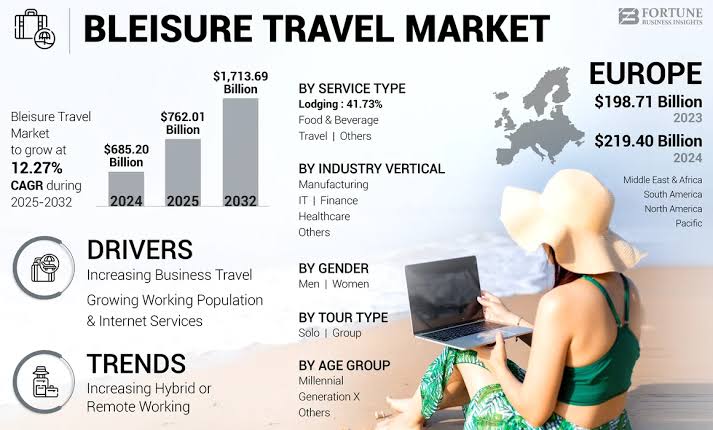
But as the world reopened, something fascinating happened. Business travel returned, but not as we knew it. It had evolved, fused with new ways of working and a fundamental shift in employee priorities. The catalyst for this transformation? The rise of bleisure travel—the powerful blend of business and leisure.
This isn’t just a trendy term; it’s a structural shift signaling that team travel will never be the same. In this deep dive, we’ll explore the forces behind the bleisure boom, how it’s rewriting corporate travel policies, and why embracing this change is crucial for attracting top talent and boosting employee morale in the new world of work.
What Exactly is Bleisure Travel? Beyond the Buzzword
At its core, bleisure travel is the practice of extending a business trip to include leisure activities, often by adding a weekend to the beginning or end of the trip or by bringing family along. It turns a transactional journey into a holistic experience.
We can break it down into three main models:
-
The Extension Model: An employee finishes their work obligations on a Friday and stays through the weekend to explore the city as a tourist.
-
The Blended Model: A “digital nomad” or remote worker spends one to two weeks in a location, working remotely for a few days while scheduling a handful of in-person client or team meetings to justify the travel.
-
The Family-Inclusive Model: An employee brings their partner or family along, balancing work commitments with family vacations in the evenings and after work concludes.
This fusion is the definitive answer to the question of why team travel has been permanently altered. It’s no longer just about the meeting; it’s about the meaning and value derived from the entire journey.
Read too : Me. in Marseilles: Exploring the City Through Travel Vlogs and Personal Adventures
The Perfect Storm: How the Pandemic Accelerated the Bleisure Trend
The seeds of bleisure travel were sown before 2020, but the pandemic created the perfect conditions for it to flourish. Several key factors converged to make this inevitable.
The Normalization of Remote Work
The most significant driver was the mass shift to remote work. When entire companies proved they could function effectively with distributed teams, the notion that an employee had to be in the office vanished. This created the “work from anywhere” mentality. If you can work from your living room, why can’t you work from a hotel in Lisbon or a café in Austin for a week? This erasure of the physical office boundary is the bedrock of modern bleisure travel.
The Great Resignation and the War for Talent
As companies battled to attract and retain talent, they had to offer more than just a competitive salary. Employees, re-evaluating their work-life balance, began demanding greater flexibility and better benefits. A generous and modern travel policy that allows for bleisure extensions became a powerful differentiator. It signals trust and a commitment to employee well-being, turning a potential burnout-inducing business trip into a coveted perk.
A Renewed Focus on Mental Health and Well-being
The pandemic took a toll on mental health, making work-life balance a non-negotiable priority for many. The old model of back-to-back, high-stress business trips is now seen as a fast track to burnout. Bleisure travel acts as a counterbalance. By integrating rest, exploration, and personal joy into a work trip, it helps employees return home recharged and rejuvenated, rather than exhausted.
How Bleisure is Reshaping Corporate Travel Policies
The rise of bleisure travel has forced a top-to-bottom rethink of the corporate travel handbook. Rigid, one-size-fits-all policies are becoming obsolete, replaced by dynamic, flexible frameworks.
1. The Shift to Flexible Travel Budgeting
Finance departments are now asking new questions. Can we pay for the spouse’s flight? What about the extra hotel nights? The answer is increasingly found in flexible budgeting. Companies are implementing clear guidelines, such as:
-
The company covers the round-trip flight and hotel for the duration of the business events.
-
The employee covers any additional costs for extended stays (extra hotel nights, spouse’s flight) but can use loyalty points or corporate negotiated rates.
-
A stipend may be provided for the leisure portion to cover certain expenses.
2. Rethinking Duty of Care
This is a critical legal and ethical consideration. A company’s “duty of care”—its responsibility for employee safety—traditionally ended when business concluded. But what if an employee gets injured while hiking on a Saturday they added to their trip? Modern policies must explicitly define the boundaries of responsibility, often using travel risk management software to track employee locations 24/7, regardless of whether they are on “company time.”
3. The Technology Enablers
Managing bleisure travel requires sophisticated tech stacks. Companies are leveraging:
-
Integrated Travel Management Platforms that allow for easy trip extensions and personal cost-splitting.
-
Collaboration Tools like Slack and Teams that make it seamless for an employee to work effectively from their bleisure location.
-
Video Conferencing Software that enables hybrid meetings, allowing the bleisure traveler to dial in if needed.
The Tangible Benefits: Why Companies Are Leaning Into Bleisure
Adopting a bleisure-friendly policy isn’t just about keeping employees happy; it delivers a compelling return on investment.
-
Enhanced Employee Morale and Reduced Burnout: A trip that includes a fun, personal element is infinitely more appealing. Employees feel valued and trusted, leading to higher job satisfaction and lower turnover.
-
Attraction and Retention of Top Talent: In a competitive job market, a flexible travel policy is a golden ticket. It appeals to the modern workforce’s desire for experiences and autonomy.
-
Cost Savings on Major Expenses: While it might seem counterintuitive, bleisure travel can save money. An employee who stays longer often finds a cheaper return flight by avoiding peak travel days like Fridays. Furthermore, the personal portion of the trip can be covered by the employee, reducing overall costs.
-
Boosted Creativity and Broader Perspectives: Exposure to new cultures, environments, and ways of life can spark innovation and creativity. An employee exploring a new city may return with fresh ideas that benefit their work.
Navigating the Challenges and Pitfalls of Bleisure Travel
For all its benefits, the bleisure model is not without its complexities. Proactive management is key to success.
-
The Blurred Lines Between Work and Life: The very essence of bleisure—blending business and leisure—can be its greatest weakness. Employees must be disciplined to “switch off” from work during their personal time to avoid the trip becoming a 24/7 workathon.
-
Tax and Legal Implications: If an employee works remotely from another state or country for an extended period, it can create complex tax and legal liabilities for the company (often called “nexus”). Clear policies must define the limits of remote work during a bleisure trip.
-
Perceptions of Fairness: Not every role is conducive to bleisure travel. It’s crucial to manage perceptions and ensure the policy is applied fairly to avoid resentment among teams that travel less frequently.
The Future is Blended: What’s Next for Bleisure and Team Travel?
The bleisure trend is not a fad; it’s the new foundation of corporate travel. As we look forward, several key trends will shape its evolution:
-
“Travel Hubs” and Team Retreats: Companies will increasingly plan team offsites or meetings in desirable locations, explicitly building in leisure time for team bonding and exploration. The entire trip is designed with a bleisure mindset from the start.
-
A Deeper Integration with Sustainability: The future of bleisure travel is green. Companies will encourage longer, less frequent trips (“slow-made travel”) to reduce their carbon footprint, using the saved emissions to justify the extended, leisure-focused stay.
-
The Rise of the “Flexi-Cation”: The lines will blur further, with employees strategically using bleisure trips as a more affordable way to take vacations, fundamentally changing the relationship between work, travel, and personal life.
Conclusion: Embracing the New Paradigm
The pandemic was a forced pause, a global reset that allowed us to reimagine the rituals of work. Out of that disruption emerged a more human-centric, flexible, and rewarding approach to business travel. Bleisure travel is the symbol of this transformation.
It acknowledges that employees are whole people with lives and aspirations beyond the conference room. For companies, adapting to this new reality is no longer optional. By crafting thoughtful, flexible travel policies that embrace the bleisure trend, organizations can build a more resilient, loyal, and inspired workforce. The era of the sterile, single-purpose business trip is over. The future of team travel is blended, and it’s here to stay.