

Introduction
Nestled on the southwest side of Chicago, the neighborhood of Canaryville, Illinois offers a fascinating blend of industrial legacy, immigrant culture, and community resilience. The area—often referred to simply as Canaryville—is steeped in history, shaped by the rise and decline of the meat-packing industry, and continues to evolve in the 21st century. In this article, we’ll explore Canaryville’s origins, historical development, demographic shifts, community character, and how it fits into modern Chicago.

1. Location and Boundaries
Canaryville lies within the larger community area known as New City, Chicago (Community Area 61) on Chicago’s South Side. Historically, the neighborhood is bounded roughly by Pershing Road (39th Street) to the north, 47th Street to the south (though some sources list up to 49th Street), and between Halsted Street on the west and the old stockyard-industrial zones to the east.
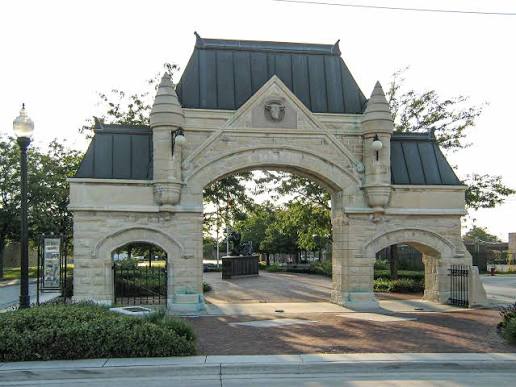
Its unique location meant that Canaryville was directly influenced by its proximity to the historic Union Stock Yards and associated railroad infrastructure. The tracks, factories, and stock pens shaped daily life, defining Canaryville’s working-class identity for over a century.
2. The Name: “Canaryville”
The name Canaryville has several possible origins.
One story says it comes from the flocks of sparrows—called “canaries” by locals—that fed on grain and refuse scattered from the stockyards and railroad cars in the 19th century. Another theory traces the name to the spirited Irish-American youth of the neighborhood, nicknamed “wild canaries” for their loud and boisterous nature.
Either way, the name reflects the energy and grit of a community that grew up beside one of the most important industrial complexes in American history.
3. Historical Roots: Industry and Immigration
3.1 The Stockyards Era
In the 1860s, the Union Stock Yards were established on Chicago’s South Side, becoming one of the world’s largest centers for livestock processing and meatpacking. Canaryville’s development was inseparable from this industry. Residents found steady employment in slaughterhouses, tanneries, and rail-related jobs.
The smell, the noise, and the constant movement of animals defined the environment. Yet, for many immigrant families, this work represented opportunity—a chance to build a stable life in America.
3.2 Irish American Community
From the late 19th century onward, Canaryville became a stronghold of Irish-American life. Many of its early residents were immigrants from Ireland who came to Chicago seeking work after the Great Famine.
They brought with them a deep Catholic faith and a tight-knit community spirit that still echoes in the neighborhood today. Churches like St. Gabriel’s Parish became spiritual and social centers, offering stability in a world of hard labor and shifting fortunes.
Canaryville’s Irish identity shaped its politics, sports culture, and sense of pride for generations.
3.3 Shift and Decline of Industry
The 20th century brought both prosperity and hardship. As mechanization increased and industrial processes changed, jobs in the stockyards began to disappear. The closure of the Union Stock Yards in 1971 marked the end of an era.
Canaryville faced declining employment opportunities, population loss, and social challenges common to industrial neighborhoods across the Midwest. Yet despite economic downturns, the area remained resilient—its families adapting while holding fast to their roots.
4. Social and Cultural Features
4.1 Community and Identity
One of the defining features of Canaryville is its strong sense of identity. Generations of families have remained in the neighborhood, giving it a continuity rarely seen in big cities.
Pride in local history, church life, and neighborhood solidarity remain central themes. Residents often describe Canaryville as a place where “everyone knows everyone else,” a testament to enduring social bonds.
4.2 Challenges and Resilience
Canaryville, like many working-class communities, has faced its share of challenges. The area was once known for rough-and-tumble street life and neighborhood gangs such as Ragen’s Colts in the early 20th century. At times, racial and ethnic tensions emerged as new immigrant and minority groups moved into nearby neighborhoods.
But the same spirit that earned Canaryville its tough reputation also fostered deep loyalty among its people. The neighborhood weathered hard times with determination and mutual support.
4.3 Cultural Landscape
Faith and tradition play a strong role in Canaryville’s culture. St. Gabriel’s Church remains a focal point, hosting religious events, festivals, and community gatherings. Family life, sports, and local parades contribute to the area’s vibrant personality.
Even as industries vanished and the cityscape evolved, Canaryville preserved its small-town atmosphere amid the vast metropolis of Chicago.
5. Demographics & Housing
5.1 Population Trends
Over the decades, Canaryville’s population has shifted in composition. While the Irish-American presence remains a cornerstone of the community, new waves of Hispanic residents have brought fresh energy and cultural diversity.
This gradual transformation mirrors broader demographic trends across Chicago’s South Side. Today, Canaryville is a blend of long-established families and newcomers seeking affordable housing and strong community ties.
5.2 Housing and Built Environment
The neighborhood’s housing stock tells its history. Rows of narrow frame houses, brick two-flats, and modest bungalows line the streets. Many structures date back to the late 19th and early 20th centuries, when they were built for stockyard laborers.
While some homes have been modernized, others retain their original charm—ornate porches, decorative cornices, and wood siding that hint at a bygone era. Industrial buildings and railroad viaducts still stand as monuments to Canaryville’s working-class roots.
6. Canaryville Today: Community, Revival & Future
6.1 Present-Day Character
Canaryville today is quieter than its industrial past but no less proud. The neighborhood remains defined by its sense of loyalty, family, and place. Older residents maintain traditions, while younger generations balance heritage with the realities of modern Chicago life.
Walking through Canaryville, you’ll find a mix of old taverns, neighborhood churches, and renovated homes. Despite economic shifts, a strong sense of identity continues to unite residents.
6.2 Local Infrastructure & Amenities
Though largely residential, Canaryville benefits from access to major transportation routes and nearby commercial areas. The Halsted Street corridor provides convenient shopping and dining, while downtown Chicago is only a short drive or train ride away.
Schools like Edward Tilden Career Community Academy and elementary institutions serve local families, while parks and community centers provide space for recreation.
The area retains traces of its industrial landscape—warehouses, rail yards, and factory buildings—but it’s also experiencing slow revitalization through small businesses and housing improvements.
6.3 Real Estate and Affordability
Canaryville’s real estate market remains one of the more affordable in Chicago, attracting new residents seeking value and community spirit. Many homes are passed down through generations, keeping property turnover relatively low.
Investors and first-time homeowners have shown interest in restoring older properties, drawn by the neighborhood’s proximity to downtown and its authentic Chicago character.
7. Community Spirit and Traditions
7.1 Family and Faith
Family and faith remain the bedrock of Canaryville life. Sunday Mass, neighborhood cookouts, and block parties are fixtures of the local calendar. Many families have roots that stretch back more than a century, and stories of grandparents working the stockyards or marching in St. Patrick’s Day parades are common.
7.2 Sports and Recreation
Canaryville has always loved its sports, particularly baseball and boxing. Local athletic clubs and school teams foster pride and camaraderie. Community fields and playgrounds provide space for kids to grow up in the same streets where their parents once played.
7.3 Local Businesses and Economy
While the heavy industry that defined Canaryville is gone, the neighborhood supports a variety of small businesses—restaurants, shops, repair services, and local contractors. These enterprises contribute to a sense of self-sufficiency and help preserve the area’s character.
8. Preservation and Change
As Chicago continues to evolve, neighborhoods like Canaryville face questions about gentrification, infrastructure, and identity. Some fear that new development could erode the community’s traditional fabric; others welcome investment and revitalization.
Preservation groups and local historians have worked to document Canaryville’s unique past, ensuring its stories are not lost to time. Photographs of stockyard workers, parish records, and oral histories paint a vivid picture of a neighborhood that helped build Chicago.
9. Why Canaryville Matters
Canaryville represents more than a small corner of Chicago—it embodies the city’s industrial heritage, immigrant spirit, and working-class resilience. Its streets tell the story of people who came to America seeking opportunity and who, through grit and community, built lasting lives.
To walk through Canaryville is to experience living history. The echoes of factory whistles and the laughter of children playing on stoops remind visitors that while times have changed, the neighborhood’s soul endures.
10. Conclusion
From its gritty beginnings beside the Union Stock Yards to its quiet strength in modern times, Canaryville, Illinois stands as a proud testament to Chicago’s evolving story. It’s a place of deep roots, unwavering identity, and community endurance.
While the factories may have fallen silent, the spirit of Canaryville remains alive—in its families, churches, and streets that continue to define one of Chicago’s most authentic neighborhoods.