

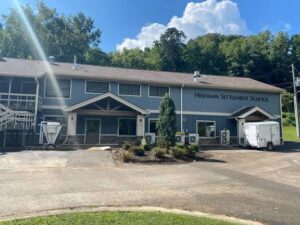
Nestled in the tranquil, tree-lined hills of Knott County, Kentucky, along the banks of Troublesome Creek, lies an institution that is both a living monument to the past and a vibrant force for the future. The Hindman Settlement School, founded in 1902, is not merely a school; it is the heart of a cultural movement. As the oldest settlement school in the United States, its story is inextricably woven into the fabric of Appalachian history, a narrative of resilience, preservation, and profound respect for the region’s unique heritage.
For over a century, Hindman has defied stereotypes and overcome challenges, evolving from a pioneering educational outpost into a nationally recognized center for Appalachian studies, literary arts, and cultural stewardship. This article delves into the remarkable journey of the Hindman Settlement School, exploring its founding principles, its transformative educational programs, and its enduring mission to honor and sustain the rich traditions of the mountains.
Read too : The DoD Banned Book Lawsuit: A Fight for First Amendment Rights in Military Schools
The Founding Vision: May Stone and Katherine Pettit
The genesis of the Hindman Settlement School is a tale of two remarkable women: May Stone and Katherine Pettit. In the late 19th century, Eastern Kentucky was a region largely isolated from the rapid industrialization of America. While this isolation preserved a rich cultural tapestry of ballads, crafts, and dialects, it also meant limited access to formal education, healthcare, and economic opportunity.
Pettit and Stone were already involved in social work through summer “camp” schools, where they taught practical skills. Their experiences convinced them that a permanent, year-round institution was essential. In 1902, with crucial support from local citizens who donated land and labor, they officially opened the Hindman Settlement School. Their philosophy was revolutionary for its time: rather than seeking to “civilize” the mountain people, they aimed to serve them by blending standard academic education with the preservation of cherished local traditions.
This respectful approach set Hindman apart. The founders understood that the solution was not to erase Appalachian culture but to empower its people through literacy and skills, allowing them to navigate the modern world without sacrificing their identity.
The Early Years: A Holistic Mission
In its early decades, the Settlement School operated as a boarding school, serving children from remote hollows who otherwise had no access to education. The curriculum was a unique and holistic blend of the “three Rs” (Reading, wRiting, and aRithmetic) and practical, hands-on learning.
Key pillars of the early school included:
-
Academic Foundation: Providing a robust basic education was the primary goal. This focus on literacy would later become the school’s defining legacy.
-
Practical Homemaking and Agriculture: Students learned modern homemaking skills, gardening, and agricultural techniques to improve health and self-sufficiency in their home communities.
-
Healthcare and Hygiene: The school established a clinic and disseminated vital information on sanitation and disease prevention, addressing critical public health needs in a region with few doctors.
-
Cultural Preservation: Perhaps most importantly, the school actively celebrated Appalachian culture. Students were encouraged to sing traditional ballads, learn old-time crafts like weaving and basket-making, and appreciate the unique linguistic and musical heritage of their families.
This model recognized that a community’s well-being depended on a foundation of education, health, and cultural pride.
Evolution and Adaptation: Responding to a Changing Appalachia
The mid-20th century brought significant change to Appalachia and to the Hindman Settlement School. The establishment of the county public school system in the 1930s reduced the need for Hindman’s function as a primary boarding school. Rather than closing its doors, the school demonstrated its core strength: adaptability.
It pivoted its mission, focusing on its greatest strengths—addressing specific, unmet needs within the region. This strategic shift led to the development of programs that remain central to its identity today.
The Rise of the Appalachian Writers Workshop
In 1977, the school launched what would become one of its most famous initiatives: the Appalachian Writers Workshop. Co-founded by renowned author and poet James Still, who served as the school’s librarian for decades, the workshop provided a much-needed sanctuary for writers from the region.
At a time when Appalachian voices were often marginalized in the literary world, this annual summer gathering became a crucible for a new generation of storytellers. It offered a space to hone their craft, share their work, and explore the complexities of the Appalachian experience without romanticism or condescension. The workshop cemented Hindman’s reputation as a hub for literary excellence and continues to draw established and emerging writers from across the nation.
The Dyslexia Program: A National Model
Building on its foundational commitment to literacy, Hindman identified another critical need: serving students with language-based learning differences, particularly dyslexia. In 1980, the school established its Dyslexia Program, which has since become a national model.
The program offers specialized, Orton-Gillingham-based instruction, helping struggling readers from across Kentucky and beyond unlock their potential. For many students and families, the Hindman Settlement School’s dyslexia program is a lifeline, transforming the frustration of learning challenges into the confidence of academic success. This work powerfully connects the school’s historic mission of teaching reading to a modern, targeted, and highly effective intervention.
Hindman Settlement School Today: A Multifaceted Cultural Center
Today, the Hindman Settlement School is a dynamic non-profit organization whose work extends far beyond the classroom. Its campus, a collection of historic log buildings, is a bustling center of year-round activity, hosting a diverse array of programs that serve everyone from schoolchildren to senior citizens.
Major Ongoing Programs and Initiatives:
-
The Appalachian Writers Workshop and Other Literary Programs: The legacy of the Writers Workshop continues to thrive. The school also hosts workshops for young writers, book festivals, and author readings, fostering a lifelong love of literature and ensuring Appalachian stories continue to be told.
-
The Dyslexia and Academic Programs: The school remains a leader in dyslexia education, offering both summer programs and annual services, directly changing the lives of hundreds of students.
-
The Family Historical and Genealogical Association: This resource center helps individuals trace their Appalachian roots, preserving family histories and personal stories that are essential to understanding the region.
-
Traditional Arts Education: Honoring its founding principle, the school offers workshops in traditional Appalachian crafts such as chair-making, basket weaving, blacksmithing, and fiddle playing. These classes ensure that master-level artistry is passed on to new generations.
-
Community Outreach and Cultural Events: From hosting community meals and music sessions to organizing historical lectures and festivals, the school serves as a vital gathering place for the people of Knott County and the wider region.
The Enduring Legacy and Cultural Impact
The impact of the Hindman Settlement School is immeasurable. Its legacy is not just in the historic buildings on its campus but in the intangible cultural wealth it has safeguarded.
-
Preserving a Cultural Identity: At a time when Appalachian culture was often caricatured or dismissed, Hindman provided a platform for its authentic celebration. It helped shift the narrative from one of deficit to one of richness and value.
-
Empowering Through Literacy: From teaching basic reading in 1902 to pioneering dyslexia therapy today, the school has remained steadfast in its belief that literacy is the key to empowerment.
-
Nurturing Artistic Expression: By nurturing writers, musicians, and craftspeople, the school has ensured that Appalachian art forms not only survive but evolve and gain national recognition.
-
A Model of Community-Based Development: Hindman’s story is a powerful case study in sustainable, respectful community development. It proves that the most effective institutions listen to the community they serve and build upon existing strengths.
Planning Your Visit and How to Support
The Hindman Settlement School welcomes visitors who wish to connect with its history and mission. You can tour the beautiful campus, attend a public event, or even enroll in one of their many workshops.
As a 501(c)(3) non-profit organization, the school relies on the generosity of donors and volunteers to continue its vital work. There are many ways to support its mission:
-
Make a Financial Donation: Contributions directly fund scholarships, program operations, and campus preservation.
-
Volunteer Your Time: Skilled and enthusiastic volunteers are always needed.
-
Attend Events and Workshops: Your participation helps sustain their cultural and educational programs.
-
Spread the Word: Share the story of Hindman Settlement School with others. Awareness is a powerful form of support.
Conclusion: The Unbroken Thread
The Hindman Settlement School stands as a testament to the power of a simple, profound idea: that education and culture are not opposing forces, but complementary pillars of a strong community. For over 120 years, it has been a guardian of memory and a catalyst for progress.
It is the place where a child struggling to read can find the key to a new world, where a writer can find her voice, where a master craftsman can pass his skills to an eager apprentice, and where the old songs still echo in the hills. The thread that connects May Stone and Katherine Pettit’s vision to the vibrant work of today remains unbroken. The Hindman Settlement School is more than a historic site; it is a living, breathing promise to the future of Appalachia—a promise that its culture will be cherished, its people empowered, and its stories told for generations to come.