

Guillain-Barré Syndrome (GBS) is a rare but serious neurological disorder that can cause sudden weakness, tingling, and even paralysis. Because symptoms often appear after an infection, one of the most common questions people ask is: “Is Guillain-Barré Syndrome contagious?”
The short answer is no — Guillain-Barré Syndrome itself is not contagious. However, it can be triggered by infections that are contagious. Understanding this distinction is essential for both awareness and prevention.
In this article, we’ll explore in depth what GBS is, why it occurs, whether it spreads between people, and how you can protect yourself and others.
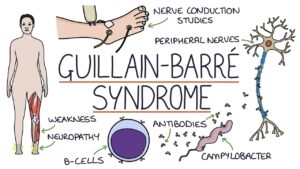
What Is Guillain-Barré Syndrome?
Guillain-Barré Syndrome is an autoimmune disorder where the body’s immune system mistakenly attacks the peripheral nervous system — the network of nerves outside the brain and spinal cord.
These nerves help control muscle movement and sensation, such as touch and pain. When they’re damaged, signals between the brain and muscles get disrupted, leading to weakness, numbness, and in severe cases, paralysis.
How Common Is GBS?
GBS is rare, affecting about 1–2 people per 100,000 each year. It can happen at any age but is more common in adults and slightly more prevalent in men.
Is Guillain-Barré Syndrome Contagious?
No, Guillain-Barré Syndrome is not contagious. You cannot catch GBS from someone else through physical contact, droplets, air, or any other form of transmission.
However, the infections that sometimes precede GBS — such as the flu, COVID-19, or gastrointestinal illnesses caused by Campylobacter jejuni — can be contagious.
In other words, GBS is a post-infectious complication, not an infectious disease itself.
Why People Think Guillain-Barré Syndrome Might Be Contagious
Because GBS often develops after a viral or bacterial infection, it’s easy to confuse cause and effect. When multiple people in a community develop similar symptoms, they may have had the same infection, not the same neurological disorder.
For example:
- An outbreak of Campylobacter food poisoning can affect many people.
- A small number of those individuals might later develop Guillain-Barré Syndrome as a rare immune reaction.
This can make it seem as though GBS is “spreading,” but in reality, it’s the triggering infection that’s spreading, not the syndrome itself.
Common Infections That Can Trigger Guillain-Barré Syndrome
Scientists don’t fully understand why GBS occurs after certain infections, but evidence shows that the immune system, while fighting an infection, mistakenly attacks nerve cells.
Here are some of the most common triggers associated with Guillain-Barré Syndrome:
1. Campylobacter jejuni
This is one of the leading bacterial causes of foodborne illness worldwide. It’s typically found in undercooked poultry and contaminated water.
Up to 40% of GBS cases are linked to a Campylobacter jejuni infection.
2. Cytomegalovirus (CMV)
A type of herpesvirus that can cause mild illness in healthy individuals but serious complications in those with weakened immune systems.
3. Epstein-Barr Virus (EBV)
This is the virus responsible for mononucleosis (“mono”). It’s spread through saliva and can cause fatigue, fever, and sore throat.
4. Zika Virus
During the Zika outbreaks of 2015–2016, a rise in GBS cases was documented in affected regions. Researchers believe Zika can trigger immune responses that lead to nerve inflammation.
5. Influenza and COVID-19
Viral respiratory infections, including the flu and SARS-CoV-2 (COVID-19), have been reported as possible precursors to GBS in some patients.
6. Vaccinations (Rarely)
There have been rare cases of GBS following vaccinations, particularly the 1976 swine flu vaccine campaign. However, modern vaccines are extremely safe, and the risk of GBS from infection is far higher than from vaccination.
Read too : Organic Remedies York PA: A Comprehensive Guide To Pennsylvania’s Medical Marijuana Dispensary
How GBS Develops After Infection
The process typically unfolds in several stages:
- Initial Infection: A person contracts a viral or bacterial illness.
- Immune System Activation: The body creates antibodies to attack the infectious agent.
- Molecular Mimicry: Some components of the bacteria or virus resemble proteins on the nerve cells.
- Autoimmune Reaction: The immune system mistakenly targets these nerve proteins, damaging the myelin sheath, the protective covering of nerves.
- Nerve Damage: This disruption causes weakness, numbness, and sometimes paralysis.
This chain reaction takes days to weeks to appear after the initial infection, which is why people often fail to connect their prior illness to the onset of GBS symptoms.
Symptoms of Guillain-Barré Syndrome
Symptoms of GBS can develop quickly, often within days, and may worsen over time.
Early Signs:
- Tingling or “pins and needles” in fingers and toes
- Muscle weakness in the legs or arms
- Difficulty walking or climbing stairs
- Loss of reflexes
Progressive Symptoms:
- Severe weakness spreading throughout the body
- Difficulty breathing or swallowing
- Facial paralysis or difficulty moving facial muscles
- Irregular heartbeat or blood pressure fluctuations
Recovery Phase:
After reaching peak weakness, most patients gradually recover with proper medical care. However, recovery can take weeks to months, and some may experience long-term nerve damage.
Is Guillain-Barré Syndrome Hereditary or Genetic?
No, Guillain-Barré Syndrome is not hereditary. It does not run in families, and there is no known genetic predisposition.
The condition arises from an abnormal immune reaction, not a genetic mutation.
How Doctors Diagnose Guillain-Barré Syndrome
Because GBS can progress rapidly, early diagnosis is crucial. Doctors use a combination of clinical evaluation and diagnostic tests:
- Neurological Examination: Checks for weakness, reflex loss, and sensory changes.
- Lumbar Puncture (Spinal Tap): Measures elevated protein levels in cerebrospinal fluid, which are typical in GBS.
- Nerve Conduction Studies and Electromyography (EMG): Tests how well nerves send electrical signals to muscles.
These tests help rule out other neurological disorders and confirm the diagnosis.
Treatment Options for Guillain-Barré Syndrome
While there is no cure for GBS, early treatment can shorten recovery time and improve outcomes.
1. Intravenous Immunoglobulin (IVIG)
IVIG involves injecting antibodies from healthy donors into the patient’s bloodstream to block harmful antibodies that attack nerves.
2. Plasma Exchange (Plasmapheresis)
This procedure filters the blood to remove antibodies causing nerve damage.
Both treatments are most effective when started within the first two weeks of symptom onset.
3. Supportive Care
Because GBS can affect breathing and movement, patients often require intensive care, physical therapy, and rehabilitation.
4. Pain and Symptom Management
Medications such as analgesics, anti-inflammatory drugs, and nerve pain treatments (like gabapentin) can help relieve discomfort.
Prognosis and Recovery
Most people with Guillain-Barré Syndrome recover fully, although the process can be slow.
- 80% regain the ability to walk within 6 months.
- 60% recover full muscle strength.
- 5–10% may experience long-term weakness or fatigue.
- 3–5% of cases can be fatal due to complications like respiratory failure.
Early diagnosis and treatment greatly increase the chances of full recovery.
Preventing Guillain-Barré Syndrome
Because GBS is not contagious, you can’t prevent it directly, but you can reduce your risk by avoiding the infections that may trigger it.
1. Practice Good Hygiene
- Wash your hands frequently.
- Avoid undercooked poultry or unpasteurized milk.
- Use safe food handling practices.
2. Stay Up to Date on Vaccines
Vaccines protect against infections like flu and COVID-19, which may be associated with GBS. The benefits far outweigh the minimal risk.
3. Protect Against Mosquito-Borne Viruses
If traveling to areas with Zika or dengue, use insect repellent, wear protective clothing, and stay in screened or air-conditioned rooms.
4. Seek Early Treatment for Infections
Prompt medical care for bacterial or viral infections may reduce the risk of immune complications like GBS.
Guillain-Barré Syndrome and COVID-19
Since the pandemic, several studies have explored a possible link between COVID-19 and Guillain-Barré Syndrome. While some cases have been reported following infection or vaccination, the overall risk remains extremely low.
Experts emphasize that:
- COVID-19 infection poses a higher GBS risk than vaccination.
- The benefits of vaccination — preventing severe illness and long-term complications — greatly outweigh the risks.
When to See a Doctor
If you or someone you know experiences sudden weakness, tingling, or numbness — especially following an infection — seek immediate medical attention.
GBS can progress quickly, and early treatment is critical to prevent life-threatening complications such as respiratory failure.
Frequently Asked Questions About Guillain-Barré Syndrome
1. Is Guillain-Barré Syndrome contagious through kissing or touch?
No. GBS cannot spread through contact, kissing, or sharing items.
2. Can you catch GBS from someone with a cold or flu?
No, but you can catch the infection that might later trigger GBS in you.
3. How long after infection does GBS develop?
Typically, symptoms appear 1 to 3 weeks after the triggering infection.
4. Can GBS recur?
Recurrence is rare, but about 3% of patients may experience it again later in life.
5. Is GBS fatal?
In rare cases, GBS can be life-threatening, especially if breathing muscles are affected. With proper care, the vast majority of patients recover.
The Bottom Line: Is Guillain-Barré Syndrome Contagious?
To summarize:
- Guillain-Barré Syndrome is not contagious.
- It cannot spread from person to person.
- It often follows a contagious infection, but the syndrome itself is an autoimmune reaction, not an infection.
By maintaining good hygiene, staying vaccinated, and seeking early medical attention for infections, you can significantly reduce your risk of developing GBS.
Understanding how Guillain-Barré Syndrome works helps dispel myths and ensures people receive timely care — because awareness is the first step to prevention and recovery.
Disclaimer:
This article is for informational and educational purposes only and should not be considered medical advice. Guillain-Barré Syndrome (GBS) and related health conditions should always be diagnosed and treated by a qualified healthcare professional. If you are experiencing symptoms such as muscle weakness, numbness, or difficulty breathing, seek immediate medical attention. The information provided here is based on current research and may not reflect the latest medical guidelines. Always consult your doctor or a licensed medical provider before making any health-related decisions.