
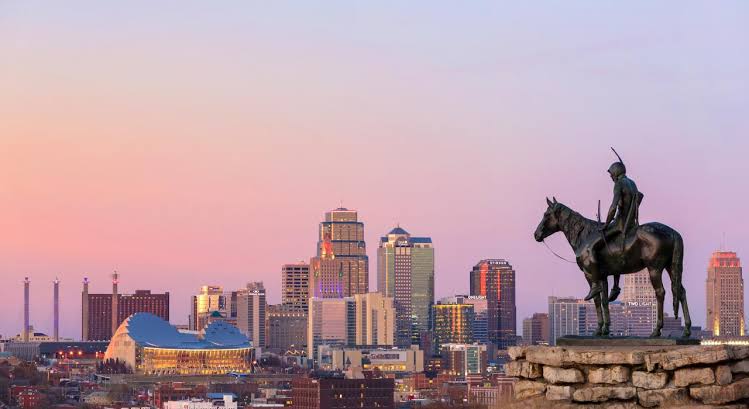
Kansas City preservation vs. progress has become one of the city’s defining conversations — a balancing act between growth, modernization, and the preservation of its rich historical and cultural identity. As cranes rise over downtown, debates grow louder about how Kansas City can expand without losing the architectural charm, creative spirit, and neighborhood authenticity that have long defined it.
From the revitalization of the Crossroads Arts District to the redevelopment pressures in Westport and the West Bottoms, the city stands at a crucial crossroads. The question is not simply whether Kansas City should grow — but how it can grow while respecting the past.

The Historical Fabric of Kansas City
Kansas City’s identity is deeply tied to its history. Founded in the mid-1800s, it blossomed through jazz, barbecue, and the rise of the railroads. Its early 20th-century boom left behind Art Deco treasures, brick industrial warehouses, and ornate neighborhoods that continue to tell the story of the city’s cultural and economic evolution.
Walking through the 18th and Vine Historic District, one can feel the echoes of Count Basie and Charlie Parker shaping the sound of a generation. In the Country Club Plaza, Spanish-inspired architecture still radiates the elegance envisioned by developer J.C. Nichols nearly a century ago.
Preserving these spaces is not just about nostalgia — it’s about maintaining the tangible identity that connects Kansas Citians to their shared roots. Yet, as land values climb and new investors seek opportunity, many of these historical areas face unprecedented pressure.
Also read : Why Kansas City’s Music Scene Is Finally Getting the Spotlight It Deserves
Urban Development and Economic Growth Pressures
The 2020s have ushered in a new wave of growth across the metropolitan area. With a strong job market, expanding tech sector, and major investments in downtown infrastructure, Kansas City has become one of the Midwest’s rising stars.
Projects such as the KC Streetcar expansion, airport modernization, and data-center investments have spurred interest from developers and businesses alike. These changes promise jobs, tourism, and tax revenue — all essential for a thriving urban economy.
However, progress often comes with a price. Redevelopment can displace long-standing communities and erase historic character. As newer, high-density buildings rise, older properties risk demolition or radical alteration.
The challenge, therefore, lies in how to manage progress without cultural erasure — how to ensure the next generation of growth strengthens, rather than replaces, the city’s historic soul.
Kansas City’s Preservation Efforts: Past and Present
Kansas City is no stranger to preservation advocacy. Over the years, organizations such as the Historic Kansas City Foundation have worked tirelessly to protect the city’s most iconic structures. Their efforts helped secure designations for landmarks including Union Station, Liberty Memorial, and portions of the Westport district.
Local ordinances and the Kansas City Historic Preservation Commission provide oversight, yet resources and enforcement often lag behind demand. As developers seek flexibility, preservationists face uphill battles to maintain standards.
Recent successes include adaptive reuse projects — where historic structures are repurposed rather than demolished. For example:
- The Power & Light District transformed historic warehouses into a modern entertainment hub while maintaining architectural continuity.
- The Crossroads District repurposed former factories into art galleries and tech startups, creating a vibrant fusion of creativity and commerce.
These models show that preservation and progress can coexist — when guided by intentional planning and community collaboration.
Community Voices: The Soul of the City
Beyond policy, Kansas City’s preservation movement thrives on its people. Grassroots groups, local historians, architects, and residents have become vocal advocates for balanced development.
Neighborhood associations in areas like Hyde Park, Pendleton Heights, and Strawberry Hill often lead discussions on zoning, heritage protection, and sustainable design. These community efforts ensure that residents — not just developers — shape the city’s future.
A resident from Midtown might say, “We’re not anti-growth. We just want growth that remembers where we came from.” This sentiment captures a growing awareness: preservation is not resistance to change — it’s a demand for intentional change.
Balancing Innovation and Heritage Through Design
Modern architecture doesn’t have to clash with tradition. Across Kansas City, designers and planners are exploring ways to blend innovation with historical context.
Architectural firms now use adaptive design principles — integrating brick façades, historical references, and mixed materials — to ensure new developments complement surrounding aesthetics. Examples include:
- Downtown loft conversions that retain industrial exteriors while offering contemporary interiors.
- Mixed-use corridors that maintain pedestrian-friendly layouts reminiscent of early 20th-century planning.
- Sustainable construction methods that reduce waste and energy while preserving original craftsmanship.
These approaches reflect a broader shift: from seeing preservation as a barrier, to viewing it as a framework for creative innovation.
Economic Benefits of Historic Preservation
Preserving Kansas City’s historic buildings is not only culturally rewarding — it’s economically smart. Studies from the National Trust for Historic Preservation show that heritage conservation often stimulates local economies through tourism, small-business growth, and job creation.
Visitors are drawn to authentic experiences — neighborhoods that feel unique, not generic. The charm of Brookside, Westport, or the River Market lies in their character, not conformity.
Furthermore, rehabilitation projects typically generate more local labor than new construction, as restoration demands specialized craftsmanship. This means preservation not only saves history — it supports local economies.
When done strategically, Kansas City preservation vs. progress becomes a false dichotomy. The two can reinforce each other, creating a more resilient and attractive city.
Case Studies: When Preservation Meets Progress
1. Union Station Revival
Once threatened with demolition, Union Station now stands as one of Kansas City’s greatest preservation success stories. After a $250-million renovation, it reopened as a cultural hub featuring museums, exhibits, and public spaces. Today, it serves as proof that preservation, when coupled with community investment, can spark long-term economic revitalization.
2. West Bottoms Redevelopment
The West Bottoms, once an industrial district, has evolved into a hub for artists, entrepreneurs, and antique dealers. Creative reuse of warehouses has transformed the area without erasing its industrial heritage. This model highlights how innovation can enhance — not erase — history.
3. The Crossroads Arts District
Originally slated for demolition decades ago, the Crossroads area is now one of the most vibrant art communities in the Midwest. Developers, artists, and city planners collaborated to preserve the district’s architectural texture while inviting creative growth.
Each of these examples demonstrates that progress grounded in preservation fosters identity, pride, and sustainability.
The Policy Perspective: Smart Growth and Zoning Reform
City officials face a complex task: promoting economic growth while protecting what makes Kansas City unique. Smart growth principles — including mixed-use zoning, public transportation integration, and green development — offer a roadmap for sustainable urbanization.
The Kansas City Comprehensive Plan 2040 outlines a vision emphasizing sustainability, cultural preservation, and equitable access to housing. Yet implementation requires collaboration among government agencies, developers, and residents.
By incentivizing adaptive reuse and offering tax credits for restoration projects, policymakers can make preservation financially viable. Clear zoning guidelines can also help prevent overdevelopment in historically sensitive areas.
Ultimately, policy must balance economic incentives with cultural integrity, ensuring Kansas City’s expansion aligns with its long-term identity.
Sustainability and the Future of Urban Growth
Preservation is inherently sustainable. Reusing existing structures reduces demolition waste, saves energy, and minimizes carbon emissions associated with new construction.
Kansas City’s growing green-building movement aligns with this philosophy. Projects like LEED-certified renovations and energy-efficient retrofits show how historic preservation can intersect with environmental stewardship.
In the era of climate awareness, maintaining and modernizing existing buildings may prove more forward-thinking than constant replacement. It is both a green and cultural investment.
Challenges Ahead
Despite growing awareness, significant obstacles remain:
- Economic pressures: Developers may favor new construction for higher short-term profit margins.
- Regulatory inconsistencies: Preservation ordinances vary by district, leading to uneven enforcement.
- Public perception: Some residents view preservation as elitist or anti-progress, creating division.
Addressing these requires clear communication and education. City leaders must highlight that preservation is a form of progress — a strategy for sustainable, inclusive growth.
Looking Forward: A Shared Vision for Kansas City
The dialogue around Kansas City preservation vs. progress is not a battle to be won, but a partnership to be nurtured. The city’s most successful neighborhoods thrive because they embrace both heritage and innovation.
To move forward, Kansas City can:
- Promote community-driven planning — ensuring development reflects local voices.
- Expand historic tax credits — making preservation financially competitive.
- Encourage adaptive reuse — transforming old spaces for new purposes.
- Support education and storytelling — highlighting why these places matter.
Progress without preservation risks erasing identity. Preservation without adaptability risks stagnation. True success lies in harmony — where innovation and history coexist to create a city that honors its roots while embracing its future.
Kansas City’s story has always been one of reinvention — from its jazz clubs to its skyscrapers, from riverfront trade to modern tech corridors. The debate over preservation vs. progress is not about stopping change, but guiding it responsibly.
By integrating history into modern design, encouraging sustainable growth, and fostering civic pride, Kansas City can serve as a national example of how cities evolve without losing their soul.
In the end, Kansas City preservation vs. progress is less a struggle and more a promise — that growth and memory can move forward together, shaping a city that belongs as much to the past as it does to the future.