
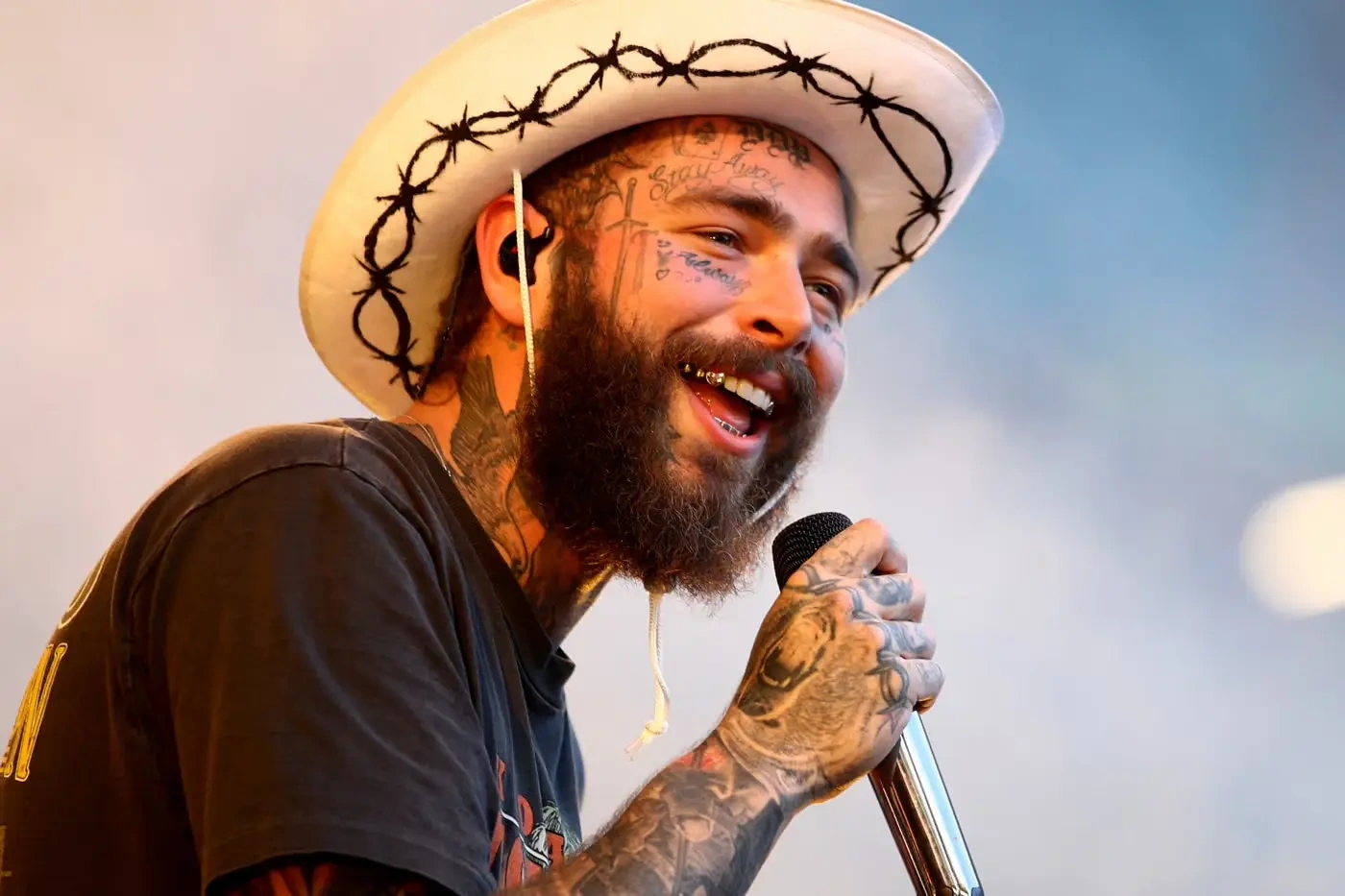
Post Malone: Career Background and Rising Influence
Austin Richard Post, known globally as Post Malone, has built one of the most distinctive careers in modern music. From his early viral hit “White Iverson” in 2015 to chart-topping albums like Hollywood’s Bleeding and Twelve Carat Toothache, his ability to blend pop, hip-hop, and rock has made him a household name. His relatable lyrics and genre-fluid approach turned him into a mainstream favorite while still maintaining credibility among hip-hop fans.
But success of this scale comes with scrutiny, and in recent years, Post Malone has been sued multiple times, drawing attention from both legal experts and fans. The lawsuits vary—from songwriting credits to likeness-rights disputes—and highlight the complicated legal web surrounding major artists.
Also read : Sonríele: Deconstructing Daddy Yankee’s Timeless Romantic Reggaeton Anthem
The “Circles” Songwriting Lawsuit
One of the most talked-about legal battles involving Post Malone centered around his 2019 hit “Circles.” The single, which topped the Billboard Hot 100 and earned multi-platinum certification, became a lightning rod for copyright controversy.
The Allegations
Songwriter Tyler Armes, a member of the Canadian band Down With Webster, claimed that he co-wrote major portions of “Circles” during a 2018 studio session with Malone and producer Frank Dukes. Armes asserted that he contributed key elements—the guitar melody, keyboard progression, and bass structure—that defined the song’s signature sound. He filed a lawsuit demanding co-writer credit, a share of publishing royalties, and back pay.
Post Malone’s Response
Malone’s legal team denied Armes’ claim, arguing that while Armes was present during early brainstorming, he did not participate in later sessions that shaped the final composition. They contended that the final song significantly differed from any ideas developed in that initial meeting.
Court Proceedings and Settlement
In 2022, a California federal judge partially sided with Post Malone, ruling that Armes had no copyright interest in the final version of the track. The court emphasized that general ideas—like chord progressions—are not protectable if they are commonplace in music. However, the case was set to go before a jury in 2023 before both parties reached a confidential settlement.
The “Circles” case underscored how ambiguous songwriting collaboration can lead to high-stakes disputes, particularly when a track becomes a global hit.
The Limo Driver Lawsuit Over the “Tommy Lee” Video
A more recent case has once again brought the phrase “Post Malone sued” into the headlines. In 2025, a former Utah high-school teacher turned limousine driver, Larry Deuel, filed a multimillion-dollar lawsuit against Malone, fellow rapper Tyla Yaweh, and multiple record-label entities.
What Happened
Deuel alleges he was hired to drive Post Malone and Yaweh to a music-video shoot at Malone’s ranch for the 2020 single “Tommy Lee.” Upon arrival, he says the production team asked him to appear in the video, promising he would be “taken care of” for his participation. According to the complaint, no formal contract or release form was signed, but Deuel’s image, likeness, and performance were used in the final video, which has since garnered millions of views online.
The Legal Claims
The lawsuit—filed in Utah’s Fourth District Court—seeks:
- $2.5 million in direct damages for unpaid compensation and unauthorized use of likeness
- More than $7.5 million in punitive damages for alleged bad-faith conduct
- Payment of attorney’s fees and additional financial penalties
Deuel argues that his appearance in a commercial music video without proper consent or payment violates right-of-publicity and contract laws. The suit names Post Malone, Tyla Yaweh, and associated production companies as co-defendants.
Why This Case Matters
This lawsuit is notable because it involves visual-media rights rather than song ownership. In the age of viral videos and streaming platforms, the use of a person’s likeness—even briefly—can carry serious legal implications. Industry professionals are closely watching this case to see how courts balance verbal promises versus written consent in entertainment settings.
Other Legal Matters Involving Post Malone
Although not all lawsuits have cast Post Malone as the primary defendant, his name has frequently appeared in court filings or entertainment-law disputes:
- Custody Case with Ex-Fiancée Jamie Park – In mid-2025, Malone’s former fiancée withdrew a California custody lawsuit and re-filed in Utah, where the artist resides. The move reportedly favored Malone’s legal position.
- Accessibility Lawsuit Involving a Utah Venue – A 2025 case accused the University of Utah of failing to provide adequate accessibility services for deaf concert-goers during a Post Malone performance. While Malone was not a defendant, his concert’s prominence amplified media coverage.
These additional headlines show how frequently high-profile artists encounter legal scrutiny, even indirectly.
Legal Themes Emerging from the Post Malone Lawsuits
Intellectual Property and Authorship
The “Circles” dispute highlights a recurring challenge in music creation: distinguishing between casual contribution and formal authorship. Under U.S. copyright law, only original, fixed expressions of creative work are protectable. Courts often scrutinize whether a collaborator’s input was both distinctive and indispensable to the finished product.
For artists, this reinforces the need to:
- Keep written documentation of all songwriting sessions
- Clarify contributor roles early in the creative process
- Execute split-sheet agreements before recording
Likeness and Compensation Rights
The limo-driver case underscores how appearance releases and consent forms are critical in video production. Even a small cameo can lead to significant exposure, making it essential to secure written permission and specify payment terms.
Failure to do so can result in right-of-publicity violations, where individuals claim damages for unauthorized use of their image in commercial content. This legal area has become increasingly relevant as TikTok, YouTube, and other platforms blur the lines between professional and user-generated media.
Risk Management for Celebrities
High-profile artists face unique vulnerabilities:
- Reputation risk from negative press coverage, even if cases are dismissed
- Financial risk from costly settlements or drawn-out litigation
- Operational risk affecting brand deals, endorsements, and partnerships
For teams managing major artists, proactive risk mitigation—through insurance, legal vetting, and strong internal protocols—is crucial.
Possible Outcomes and Industry Impact
Settlement Potential
Historically, celebrity-related lawsuits often end in confidential settlements. This avoids public trials and protects both parties from further reputational damage. In the limo-driver case, Post Malone’s team may seek to resolve the dispute quietly through mediation or arbitration.
Jury Trial Scenario
If the case proceeds to trial, the court could issue a precedent-setting judgment on whether verbal promises in creative work are legally binding. A large jury award could reshape how music-video productions document cameo appearances.
Dismissal or Partial Ruling
Post Malone’s defense might argue that Deuel was compensated through other means or that his participation constituted a voluntary act without expectation of payment. If the court finds insufficient evidence of a contract, portions of the lawsuit could be dismissed.
Broader Industry Implications
The outcome could influence:
- How production companies handle extras and on-set participants
- Whether artists demand proof of consent releases from crews
- The adoption of standardized appearance-agreement templates across record labels
Ultimately, these cases may push the entertainment industry toward more transparent, legally sound practices.
Lessons for Artists, Fans, and Professionals
For Emerging Artists
Document every creative collaboration. Whether writing a song or filming a video, always have a written agreement detailing ownership, compensation, and usage rights. Relying on verbal promises or informal understandings invites future disputes.
For Music-Industry Professionals
Producers, managers, and label executives should ensure all contributors—musicians, drivers, extras—sign legally binding contracts. This protects the production and maintains compliance with right-of-publicity laws.
For Fans and Observers
Legal challenges are common in entertainment. They often reflect procedural oversights rather than malicious intent. Understanding the background helps fans see the human side of the industry—how creative collaboration sometimes collides with legal formality.
The Broader Cultural Context
Post Malone’s legal troubles arrive during a period when public perception of celebrity accountability is evolving. Fans expect transparency, while the internet amplifies every legal filing into global news within hours.
In this environment, even minor lawsuits can become trending hashtags. The way Post Malone’s team handles public relations will likely influence both his image and the wider conversation about fairness in the entertainment industry.
Moreover, his ability to continue releasing chart-topping hits despite legal distractions demonstrates his resilience and strong fan base. This balance between artistry and litigation reflects the dual reality of modern fame—creative expression on one side, legal precision on the other.
Industry Reactions and Expert Opinions
Entertainment-law experts note that these lawsuits illustrate systemic issues: unclear agreements, verbal deals, and fast-paced production schedules. Attorneys often cite Post Malone’s situation as a reminder that informality in creative industries can be costly.
Producers have since begun implementing:
- Mandatory release-form protocols for anyone appearing on camera
- Pre-production legal briefings on contract obligations
- Comprehensive insurance coverage to offset potential claims
These responses show how one artist’s lawsuit can reshape industry standards.
Public Perception and Media Coverage
Media outlets have covered the lawsuits with mixed tones—some sensationalized, others analytical. Fans on social media generally express support for Malone, often framing him as a down-to-earth artist navigating fame’s complexities.
However, critics argue that wealthy celebrities must ensure ethical treatment of everyone on set, from drivers to production assistants. The discourse mirrors broader cultural conversations about fairness, power, and accountability in creative labor.
As coverage continues, search traffic around “Post Malone sued” and “Post Malone lawsuit update” remains strong, indicating sustained reader interest in both legal and human dimensions of the story.
Long-Term Implications for Post Malone
While the current lawsuits may not derail his career, they could influence how his brand evolves:
- Contractual Rigor: Expect tighter oversight of all future collaborations and video shoots.
- Public-Relations Strategy: His team will likely maintain transparency without overexposure, releasing brief, factual statements.
- Financial Planning: Potential settlements could impact tour budgets or project timelines, though Malone’s multimillion-dollar net worth cushions the blow.
- Artistic Direction: Legal experiences sometimes inform creative expression; fans may see lyrical or thematic references in future music.
Overall, Malone’s enduring popularity and professional management make it unlikely that legal challenges will significantly damage his legacy.