
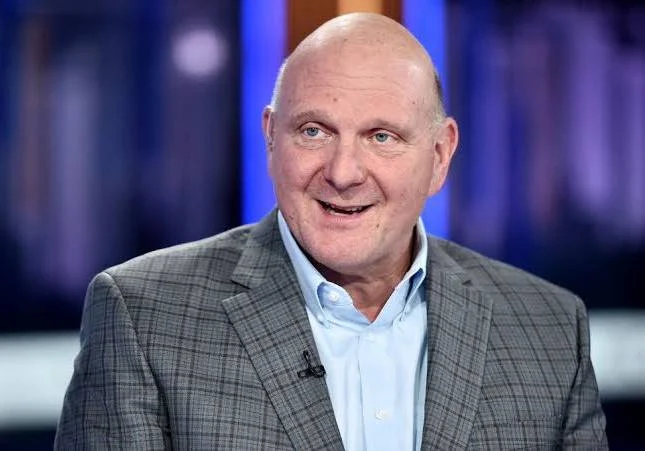
The phrase # Steve Ballmer Sued has exploded across social media and major news outlets, capturing attention far beyond basketball fans. When the billionaire owner of the Los Angeles Clippers and former Microsoft CEO becomes the subject of a multimillion-dollar lawsuit, people notice.
Recent court filings have accused Steve Ballmer of aiding a fraudulent scheme that allegedly used a “green finance” company to funnel secret payments to NBA star Kawhi Leonard, potentially violating salary-cap rules. The plaintiffs—former investors in the now-collapsed firm—say they were misled into investing millions.
The story sits at the intersection of tech wealth, professional sports, sustainability finance, and legal drama. In this deep dive, we’ll unpack the background, allegations, legal arguments, and possible implications for Ballmer, the Clippers, and the NBA.
Who Is Steve Ballmer?
Before understanding the case, it’s worth revisiting who Steve Ballmer is—and why his name carries such weight in both business and sports.
A tech titan turned NBA owner
Ballmer joined Microsoft in 1980 as its 30th employee, eventually becoming the company’s CEO in 2000 after Bill Gates. During his 14-year tenure, he oversaw major expansions into cloud computing, Office 365, and enterprise software. Though his leadership style was famously energetic—often literally shouting on stage—Microsoft’s market capitalization nearly tripled by the time he retired in 2014.
That same year, Ballmer bought the Los Angeles Clippers for $2 billion, marking one of the largest franchise sales in sports history. The purchase followed the forced sale of the team after former owner Donald Sterling’s racist remarks scandal. Ballmer quickly became one of the most visible and passionate owners in the NBA—often seen courtside, cheering, clapping, and radiating contagious enthusiasm.
Beyond basketball
Outside sports, Ballmer and his wife, Connie Ballmer, run the Ballmer Group, a philanthropic organization focusing on economic mobility, education, and community development. With an estimated net worth exceeding $120 billion, Ballmer ranks among the top ten richest people globally.
That’s exactly why the headline # Steve Ballmer Sued sent shockwaves—it’s rare for someone of his influence to be drawn into allegations of financial misconduct.
What the Lawsuit Alleges
The controversy centers on a company once known as Aspiration Partners, later renamed Catona Climate Solutions, a financial-technology startup that marketed itself as a “green” investment platform.
The plaintiffs and defendants
Eleven former investors in Aspiration filed a lawsuit in California Superior Court in mid-2025. Initially, the case targeted the company’s cofounder, Joseph Sanberg, and associated entities. But in November 2025, they amended the complaint to include Steve Ballmer and the Ballmer Group as defendants.
The main claim
According to court filings, the investors allege that Aspiration was used as a vehicle to funnel money—via fraudulent endorsement deals—to Clippers star Kawhi Leonard. The plaintiffs claim the firm agreed to pay Leonard millions of dollars for little or no promotional work, and that the payments served as “hidden compensation” to help the Clippers sidestep the NBA’s strict salary-cap system.
In short, they allege Ballmer’s investment helped facilitate what amounted to an illegal workaround to pay one of his top players outside league rules.
Why investors are angry
The investors say they were lured into backing Aspiration because of its high-profile supporters—including Ballmer, Drake, and prominent environmental groups. They believed they were funding a legitimate sustainability-focused business. Instead, they claim the company was “a front for deception,” enriching insiders while misleading backers.
The lawsuit accuses Ballmer of “aiding and abetting fraud” and misrepresenting the legitimacy of the company.
Ballmer’s response
Ballmer’s legal team swiftly rejected the allegations. In public statements, his spokesperson said Ballmer himself was also misled by Aspiration’s founders, calling him “a victim of deception, not a perpetrator.”
According to Ballmer’s side, he made his investment in good faith, believing in the company’s environmental mission, and had no role in any improper payments to Kawhi Leonard or anyone else.
The Timeline of Events
2018–2020: Aspiration’s rise
Founded as a fintech promising sustainable banking, Aspiration drew celebrity investors and partnerships with athletes and entertainers. Kawhi Leonard reportedly joined as a brand ambassador around this time.
2021–2023: Financial troubles
As the ESG (environmental, social, governance) investment boom cooled, Aspiration struggled. Reports surfaced of questionable carbon-offset accounting, and investors began pulling funding.
March 2025: Bankruptcy and guilty plea
Co-founder Joseph Sanberg pleaded guilty to federal wire-fraud charges, admitting to misrepresenting financial statements and investor funds totaling over $248 million. The company filed for bankruptcy soon after.
July 2025: The first lawsuit
Eleven investors filed suit alleging fraud and mismanagement, seeking damages. At the time, Ballmer was not named.
November 2025: Ballmer added
After reviewing internal emails and financial records disclosed in bankruptcy filings, the plaintiffs amended the complaint to add Ballmer as a defendant—asserting he played a “key enabling role” in maintaining investor confidence while the fraudulent activity continued.
Legal Arguments: Plaintiffs vs. Ballmer
The plaintiffs’ case
The investors’ lawyers argue:
- Misrepresentation: Ballmer’s public endorsement gave Aspiration credibility that convinced others to invest.
- Financial involvement: His capital injection of over $50 million allegedly allowed the fraudulent activities to continue longer.
- Benefit to his NBA franchise: The plaintiffs argue that, by routing money through Aspiration to Kawhi Leonard, the Clippers avoided triggering salary-cap violations.
- Damages: They claim financial loss and reputational harm due to Ballmer’s alleged participation or negligence.
Ballmer’s defense
Ballmer’s defense hinges on several points:
- No knowledge or control: He asserts he had no operational role or insider control over Aspiration’s daily functions.
- Investor-victim stance: Ballmer claims he was misled like other investors, believing Aspiration’s leadership and audits were legitimate.
- Lack of motive: The defense highlights that Ballmer, as a billionaire, had no need for illicit financial gain and that the Clippers operate transparently under NBA supervision.
- Good-faith investment: His team argues that his involvement was philanthropic and aligned with his environmental-impact interests, not an attempt to hide payments.
The NBA’s Role and Salary-Cap Context
Why the salary cap matters
The NBA salary-cap system exists to maintain competitive balance. Teams can’t simply pay players any amount—they must adhere to league-approved contracts and restrictions. Violations can lead to heavy fines, loss of draft picks, or voided deals.
How this relates to the lawsuit
If the payments to Kawhi Leonard through Aspiration were intended as indirect compensation, it could constitute salary-cap circumvention—one of the league’s most serious offenses.
League insiders report that the NBA has opened a review, though no official penalties have been announced. The Clippers, meanwhile, maintain that their player contracts are fully compliant.
The Broader Implications
1. For Steve Ballmer personally
This lawsuit threatens more than just financial loss. Ballmer’s image as an energetic, philanthropic leader could take a hit. Even if exonerated, association with fraud allegations is damaging.
Additionally, prolonged litigation could force him to disclose detailed financial records related to his ownership and investments. Transparency could clear his name—or raise new questions.
2. For the Los Angeles Clippers
For the Clippers, the timing is delicate. The team recently moved into its new Intuit Dome arena, a multibillion-dollar project funded largely by Ballmer himself. Sponsors, partners, and fans are closely watching for fallout.
If the NBA concludes any rules were broken, the Clippers could face penalties including fines or loss of draft picks—though such outcomes remain speculative.
3. For the investors
Should the court side with the plaintiffs, it may open the door to further suits against high-profile investors who lent credibility to failing or fraudulent ventures.
It could also redefine due-diligence standards in venture capital, especially for celebrity or billionaire backers whose endorsements carry immense weight.
4. For the NBA and other leagues
This case has sparked discussions across professional sports about third-party endorsement loopholes. If proven true, it could push leagues to impose stricter oversight on player sponsorships and owner-affiliated companies.
5. For ESG and “green finance”
The downfall of Aspiration Partners underscores growing skepticism around the ESG movement. Critics argue many “green” startups overstate environmental impact while under-delivering results. If one of the world’s richest philanthropists was deceived, regulators may tighten disclosure requirements for sustainability-focused funds.
Public and Media Reaction
The hashtag # Steve Ballmer Sued began trending immediately after reports surfaced. Reactions have ranged from disbelief to frustration.
Fans of the Clippers expressed concern over potential distractions heading into the NBA season, while critics questioned whether ultra-wealthy owners receive special treatment.
Tech commentators, meanwhile, noted the irony that a former Microsoft CEO—known for rigorous business discipline—might have fallen prey to alleged financial misconduct.
Environmental advocates also weighed in, lamenting how scandals like this undermine public trust in green finance initiatives.
Potential Outcomes and What Comes Next
1. Dismissal or settlement
Ballmer’s lawyers have already moved to dismiss the claims, calling them “baseless and speculative.” Courts could agree if plaintiffs can’t show direct evidence linking him to fraudulent intent. Alternatively, both sides may settle privately to avoid prolonged litigation.
2. Full trial
If the case proceeds to trial, expect explosive testimony, subpoenaed financial records, and high-profile witnesses—including potentially Kawhi Leonard himself. The NBA’s own inquiry could overlap, complicating timelines.
3. NBA disciplinary action
The league could impose sanctions if evidence confirms that player payments were improperly structured, even if Ballmer avoids civil liability. Historically, the NBA has penalized teams for lesser violations.
4. Reputational rehabilitation
Should Ballmer clear his name, he could emerge as a cautionary symbol—a billionaire investor fooled by a corrupt startup. In that scenario, expect him to double down on transparency and philanthropy to restore public trust.
Analysis: Why # Steve Ballmer Sued Matters Beyond the Headlines
This story resonates because it blends celebrity, wealth, and morality. It challenges assumptions about accountability at the highest levels of business and sports.
For the NBA, it’s a reminder that even indirect associations can have major ramifications. For tech investors, it shows how reputational capital—celebrity endorsements, billionaire backers—can mask weak fundamentals.
And for the public, it raises questions about the blurred lines between business ethics and sports loyalty. Can an owner truly separate his franchise interests from outside ventures when millions are at stake?
Crisis Management and the Road Ahead
Ballmer’s public-relations team has taken a disciplined approach: no aggressive countersuits, no media feuds, only calm denials. Insiders describe this as a “strategic silence”—minimizing public drama while preparing a detailed defense behind the scenes.
The Clippers continue to project stability. Kawhi Leonard and teammate Paul George have declined to comment, focusing instead on the upcoming season.
Still, the shadows of litigation loom large. Even unfounded allegations can create months of speculation, affecting morale, ticket sales, and sponsorship discussions.
Expert Perspectives
Legal analysts
Legal scholars note that proving aiding and abetting fraud requires showing both knowledge and intent—two high bars. “Simply investing or endorsing a company later revealed as fraudulent doesn’t automatically make someone liable,” one attorney told Front Office Sports.
NBA insiders
League executives privately express concern. “Even if the Clippers did nothing wrong,” said one source, “the optics are bad. The NBA can’t afford another salary-cap scandal.”
Investor advocates
Financial watchdogs argue the case should prompt stricter vetting processes. “Star power is not due diligence,” said one expert. “Investors must demand transparency, no matter how famous the backers.”
Conclusion
The unfolding saga behind # Steve Ballmer Sued is far from over. Whether he’s ultimately cleared or held responsible, the case underscores the fragility of reputation in an era where financial ethics, sports integrity, and public trust collide.
Steve Ballmer remains one of the most influential figures in modern business and basketball. But for now, the spotlight is not on his courtside enthusiasm—it’s on the courtroom.
As the case moves forward, the world will be watching not only what the verdict says about Ballmer, but also what it reveals about accountability among the world’s wealthiest and most powerful individuals.