
When a Premium Brand Faces the Courtroom
For PC builders, gamers, and tech enthusiasts, the name Corsair commands respect. Synonymous with high-performance RAM, sleek cases, powerful PSUs, and intuitive iCUE software, Corsair has built an empire on the backbone of a loyal community. Their components are the lifeblood of countless battle stations and professional workstations worldwide.
But what happens when that trust is challenged? In recent years, Corsair found itself at the center of a significant legal storm—a class action lawsuit that questioned the integrity of its marketing and the functionality of its flagship software. This wasn’t just a minor grievance; it was a consolidated legal action that alleged Corsair had systematically overstated the capabilities of its products.
This article is your definitive guide to the Corsair class action lawsuit. We’ll peel back the layers of the legal jargon to understand the core allegations, trace the case’s journey to a settlement, and, most importantly, explain what it means for you, the consumer. Whether you’re a proud owner of Corsair gear or simply a keen observer of the tech industry, this is a story about corporate accountability, consumer rights, and the fine print that often goes unread.
Also read : Jack Nicklaus Lawsuit: The Inside Story of the Battle for a Golf Legend’s Name

Unpacking the Allegations: What Was Corsair Actually Sued For?
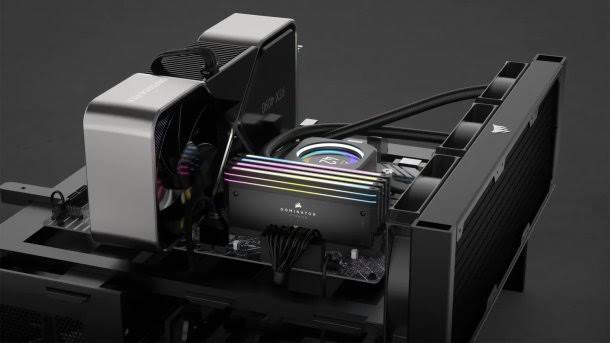
The lawsuit, formally known as In re: Corsair Memory Products Marketing and Sales Practices Litigation, was not about a single, exploding power supply or a batch of dead RAM sticks. Instead, it targeted the heart of Corsair’s ecosystem: the marketing claims surrounding its Vengeance RGB PRO SL and DOMINATOR PLATINUM RGB memory, and the performance of its iCUE software.
The plaintiffs, representing a class of thousands of purchasers, leveled several key allegations:
1. The “Fully Compatible” Claim That Wasn’t
Corsair heavily marketed its Vengeance RGB PRO SL memory as being “fully compatible” with popular motherboard synchronization technologies like ASUS Aura Sync, Gigabyte RGB Fusion, and MSI Mystic Light. The lawsuit alleged that this was a deceptive practice. In reality, to achieve this promised synchronization, users were forced to download and run Corsair’s proprietary iCUE software. The products were not, in fact, natively compatible with these third-party systems as the marketing implied. This created a “bait-and-switch” scenario, locking users into Corsair’s software ecosystem under false pretenses.
2. The iCUE Software: A Resource Hog and a Point of Failure
This leads to the second, and perhaps more damning, allegation: that iCUE software was fundamentally flawed. The lawsuit claimed the software was “unstable, buggy, and resource-intensive.” Users reported that iCUE:
-
Consumed an excessive amount of CPU and RAM resources, negatively impacting system performance and in-game frame rates.
-
Was prone to crashes, causing RGB lighting to freeze, default to rainbow patterns, or shut off entirely.
-
Failed to reliably control the very components it was designed to manage, including fans, coolers, and lighting nodes.
The core argument was that the iCUE software was not a value-added feature but a necessary, dysfunctional burden required to access the advertised functionality of the hardware.
3. The Performance Impact and the “Defective Product” Label
By tying essential features (like RGB control) to a piece of software that degraded system performance, the plaintiffs argued that the memory modules themselves were effectively defective. A product that requires a resource-heavy, unstable application to function as advertised, they claimed, does not live up to its marketing promises. Consumers paid a premium for high-performance, compatible RAM but received a product that, without its problematic software, could not deliver on its key selling points.
The Legal Journey: From Filing to Settlement
The case began with individual lawsuits filed by frustrated consumers. Recognizing the common threads in these complaints, the judicial system consolidated them into a single, multi-district class action in 2021, streamlining the process and strengthening the plaintiffs’ position.
Corsair, as expected, vigorously defended itself. The company denied all allegations of wrongdoing, standing by its marketing claims and its software. They argued that the iCUE software provided enhanced functionality beyond basic synchronization and that any software inherently has occasional bugs and issues.
However, in 2023, before the case could go to a full trial, the two parties reached a settlement agreement. This is a common outcome in class action lawsuits. For the plaintiffs, a settlement guarantees a payout without the risk and delay of a trial. For the defendant, it resolves the matter without admitting guilt and avoids potentially larger damages and the negative publicity of a court loss.
The Corsair Settlement: What You Could (and Couldn’t) Get
The court-approved settlement established a specific fund to compensate eligible consumers. Here’s a breakdown of the terms.
Who Was Eligible?
You were likely eligible to file a claim if you met these criteria:
-
Product: Purchased a Corsair Vengeance RGB PRO SL or DOMINATOR PLATINUM RGB memory kit in the United States.
-
Timeframe: Made the purchase between January 1, 2018, and the final settlement date in 2023.
-
Proof: Possessed proof of purchase, such as a receipt, invoice, or credit card statement.
The Two Tiers of Compensation
The settlement offered two primary avenues for compensation:
-
Cash Payment with Proof of Purchase: Claimants who provided valid proof of purchase could receive a cash payment. The exact amount was prorated based on the number of valid claims filed against the total settlement fund, but it was estimated to be a partial refund on the purchase price.
-
Voucher without Proof of Purchase: Recognizing that many consumers lose receipts over time, the settlement also offered an alternative. Claimants without proof of purchase could receive a $15 voucher to be used on Corsair’s online webstore. This was a lower-value option but ensured broader access to compensation.
What the Settlement Didn’t Include
It’s crucial to understand the limitations. The settlement did not cover:
-
Admission of Fault: Corsair did not admit any wrongdoing or liability. The settlement was a compromise, not a verdict.
-
A Full Refund: The cash payments were only a fraction of the original product cost.
-
A Fix for iCUE: The settlement was purely financial. It did not legally obligate Corsair to fix, improve, or overhaul the iCUE software, though the company has continued to release updates independently.
The claims period for this specific lawsuit is now closed. If you missed the deadline, you are no longer eligible to receive compensation from this settlement fund.
The Ripple Effect: What This Lawsuit Means for the Tech Industry and You
The Corsair class action lawsuit is more than a single company’s legal trouble; it’s a case study with far-reaching implications.
1. A Wake-Up Call for Marketing Departments
The case highlights the growing legal scrutiny over “compatibility” and “integration” claims in the tech world. Vague marketing language that overpromises and underdelivers can now have serious financial consequences. This will likely force all hardware manufacturers to be more precise and transparent in their advertising, clearly stating what is required to make their products work as shown.
2. The Rising Importance of Software in Hardware Value
We are long past the era where hardware could be judged on its own. Today, the software that drives a component is as important as the silicon inside it. This lawsuit cemented the principle that dysfunctional, mandatory software can render a hardware product “defective” in the eyes of the law. Companies can no longer treat software as an afterthought; it is a core part of the product’s value proposition.
3. Empowering the Consumer
Class action lawsuits are a powerful tool for consumer advocacy. While an individual might only be out $100 for a RAM kit, collectively, millions of dollars are at stake. This case demonstrated that when a large group of consumers bands together, they can hold even the most powerful corporations accountable for their practices. It sends a clear message: consumer trust is valuable, and breaching it has a price.
Corsair’s Response and the State of iCUE Today
In the wake of the lawsuit, Corsair has remained relatively quiet on the specifics, as is standard legal practice. However, the company has not been idle. There has been a noticeable, though gradual, effort to improve the iCUE platform.
Recent versions of iCUE have focused on:
-
Reduced Resource Usage: Acknowledging user complaints, recent updates have included optimizations aimed at lowering the CPU and memory footprint of the software.
-
Improved Stability: Corsair has been rolling out patches to address common crash scenarios and improve the software’s overall reliability.
-
Expanded Integration: Ironically, the company is now leaning harder into true integrations, such as the partnership with NVIDIA to allow iCUE to control RGB based on GPU temperatures.
The journey is not over, and user forums still contain complaints about iCUE. However, the legal pressure from the class action has undoubtedly accelerated the prioritization of these fixes within Corsair’s development cycle.
Lessons Learned: How to Protect Yourself as a Tech Consumer
This saga offers valuable takeaways for anyone buying PC components or consumer tech.
-
Read Between the Marketing Lines: When you see “compatible with,” ask “how?” Is it plug-and-play, or does it require a separate software installation and account?
-
Software Matters: Before buying a component that relies on software (RGB, fan controllers, etc.), spend time reading recent user reviews specifically about that software. A quick search for “[Product Name] software buggy” can save you a major headache.
-
Keep Your Receipts: Always save digital or physical copies of your purchase receipts. You never know when you’ll need them for an RMA or, as in this case, a class action settlement.
-
Stay Informed: Websites that track class action settlements can be a useful resource to see if you’re eligible for compensation from products you own.
Conclusion: Trust, Accountability, and the Path Forward
The Corsair class action lawsuit serves as a modern parable for the tech industry. It underscores a fundamental shift in how we define a product—no longer just a physical object, but an integrated system of hardware and software. The trust consumers place in a brand like Corsair extends to every line of code in its applications.
While the settlement provided some financial redress for affected customers, its greater impact is symbolic. It reaffirms that consumers have a right to expect products to perform as advertised and that companies will be held responsible when they fall short. For Corsair, the path to rebuilding unwavering trust lies in continued, transparent improvement of the iCUE ecosystem. For the rest of us, it’s a reminder to be vigilant, informed, and to never underestimate the power of a collective voice.
The courtroom battle may be over, but the conversation about quality, transparency, and value in the tech world is louder than ever.