
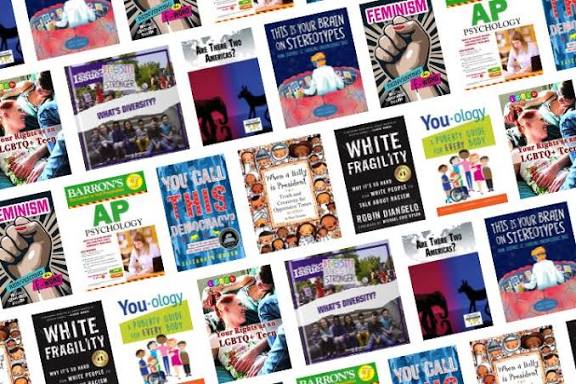
The Department of Defense (DoD) Banned Book Lawsuit, officially known as E.K. v. Department of Defense Education Activity (DoDEA), has ignited a crucial national conversation about censorship, the First Amendment rights of students, and the educational environment for military families. Filed by the ACLU on behalf of students and families in DoD schools, the lawsuit directly challenges the removal of nearly 600 books and curricular materials related to race, gender, and LGBTQ+ identities following executive orders from the current administration.
Read too ; Most Rushing Yards In A Game: A Historical Look At The Record Books
🔎 Key SEO Keywords & Target Audience
- Primary Keywords: DoD Banned Book Lawsuit, DoDEA Book Bans, Military School Censorship
- Secondary Keywords: First Amendment in Schools, Students’ Right to Read, DoD Diversity Curriculum, E.K. v. DoDEA, Book Banning Legal Precedent, ACLU Lawsuit Military Families
- Target Audience: Military families, active-duty service members, educators, civil liberties advocates, legal professionals, and concerned citizens interested in book ban news and First Amendment law.
📅 Lawsuit Overview and Timeline
The lawsuit targets the actions of the Department of Defense Education Activity (DoDEA), which operates 161 schools for the children of military personnel stationed globally. The controversy began with the implementation of executive orders (EOs) that mandated the removal of programs and materials allegedly promoting “gender ideology” and “divisive equity ideology,” including Diversity, Equity, and Inclusion (DEI) initiatives.
🏛️ The Core Legal Battle: First Amendment Precedent
The central argument in the DoD Banned Book Lawsuit rests on the First Amendment rights of the student plaintiffs, drawing on decades of established Supreme Court precedent.
The Students’ Argument: Unconstitutional Viewpoint Discrimination
The ACLU and the military families argue that the systematic removal of books and the cancellation of curriculum, such as specific sections of the AP Psychology course, constitute unconstitutional viewpoint discrimination. They contend this is not a routine curriculum review but a targeted purge of materials based on the political disagreement of the administration.
- The Pico Standard: The students’ case hinges on the 1982 Supreme Court case, Board of Education v. Pico, which established that while school boards have broad discretion to manage curriculum, they cannot remove books from school library shelves simply because they dislike the ideas contained in those books. Removing books based on political or partisan animus is considered a violation of the students’ “right to receive information.”
The DoDEA Defense: Government Speech Doctrine
Officials for the DoDEA attempted to argue that the school libraries and curriculum fall under the “government speech doctrine,” meaning the government (the DoD) has the authority to decide what message it wishes to convey or promote.
The Preliminary Injunction Ruling: A Major Precedent ⚖️
U.S. District Court Judge Patricia Tolliver Giles decisively rejected the DoDEA’s defense, granting a preliminary injunction that required the immediate return of all removed books at the five schools with plaintiffs.
📢 Key Legal Finding: Judge Giles ruled that school libraries lack the “quintessential elements of government speech.” By making this distinction, the court affirmed that the library is a public forum for the “free inquiry” of students, thereby protecting it from politically motivated censorship by government officials. This ruling sets an important legal marker against the application of the government speech doctrine to school library book removals.
📖 The Scope of Censorship: From Classics to Health Guides
The list of nearly 600 titles removed from DoDEA schools revealed an astonishingly broad purge, targeting subjects deemed “controversial” under the new EOs. The removal process was described by the court as “inconsistent and opaque.”
- Racial and Historical Texts: The removal included award-winning nonfiction and fiction, such as Between the World and Me (Ta-Nehisi Coates), Stamped: Racism, Antiracism and You (Ibram X. Kendi and Jason Reynolds), and even classic novels like The Kite Runner.
- LGBTQ+ and Identity: A significant portion of the banned materials focused on LGBTQ+ themes, including the acclaimed graphic novel series Heartstopper, and educational materials on transgender history and identities.
- Essential Health Curriculum: Censorship extended beyond books, with DoDEA cutting critical health modules from middle school classes. Chapters removed covered:
- Sexually Transmitted Diseases (STDs)
- Abuse and Neglect
- Sexual Harassment
- Human Reproduction and Fetal Development
- Military Academies Affected: The censorship push was not limited to K-12 schools; the Naval Academy and other service academies were also directed to review and remove hundreds of books related to DEI.
🇺🇸 Broader Implications for Military Families and National Book Bans
This lawsuit highlights a critical issue: military families should not be denied the educational resources they risk their lives to protect.
- A “Chilling Effect” on Diversity: The DoDEA’s actions led to a “chilling effect,” causing the cancellation of cultural events like Black History Month and Women’s History Month, and even censoring students’ yearbook content to prohibit anything related to “gender ideology.”
- The National Context: The DoD lawsuit is a high-profile federal case in the midst of a nationwide wave of book bans. Its success, even at the preliminary injunction stage, serves as a powerful testament to the constitutional limits on a government’s ability to impose political conformity on students’ education.
- Advocacy and Pushback: The actions sparked unprecedented, public pushback from students—who staged walkouts and protests—and from military parents who formed advocacy groups like Military Families for Free Expression, demonstrating that the desire for a diverse education transcends political party lines.
The legal fight continues, but the preliminary injunction secured a temporary but vital victory, affirming the students’ right to inquire, study, and evaluate a wide range of ideas, regardless of the political climate in Washington.