
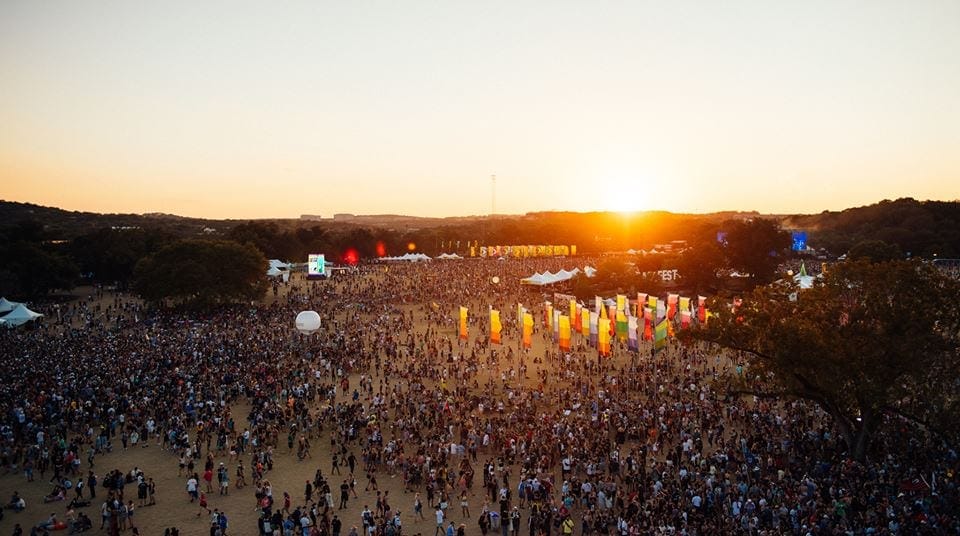
The Sound of Transformation in the Lone Star State
Texas has always been a state of bold expression. From the twang of a country guitar in Luckenbach to the booming basslines of Houston’s hip-hop scene, sound has always shaped the soul of the Lone Star State. But in today’s digital era, the rhythm is shifting once again. Technology — from AI composition tools to streaming algorithms — is rewriting how Texas artists create, perform, and connect with audiences around the world.
This isn’t just a story about music innovation. It’s about the way sound itself evolves when tradition meets technology. Texas, long known for its cultural independence, is now at the forefront of a creative revolution where analog roots meet digital possibilities.
Also read : When Art Meets Sound: The Growing Fusion of Visuals and Music in Texas

1. From Honky Tonks to Home Studios: A New Era of Accessibility
Decades ago, an aspiring Texas musician needed a hefty budget and connections to get studio time in Dallas or Austin. Now, the story is completely different. With affordable recording software like Ableton Live, GarageBand, and FL Studio, the tools for professional-grade sound are available to anyone with a laptop and passion.
Independent artists across Texas — from El Paso to Corpus Christi — are recording albums from their bedrooms and uploading them to global platforms like Spotify and Apple Music. This accessibility has flattened the industry hierarchy, giving independent creators the same distribution power once held by record labels.
Case in point: Artists such as Peyton Stilling from Dallas and Kevin Galloway from Austin have built loyal fan bases through self-produced digital releases. The democratization of music production means Texas talent can flourish far beyond traditional industry gatekeepers.
2. The Digital Studio Revolution: How Tech Redefined Sound Design
Sound design — once the exclusive domain of professional engineers — has become a playground for experimentation. Texas-based producers are combining vintage tones with futuristic effects to create unique soundscapes.
Plugins, virtual instruments, and AI-assisted mastering tools have revolutionized what’s possible. For example, Austin’s electronic scene thrives on tools like Splice and LANDR, platforms that use machine learning to analyze audio quality and automatically optimize mixes.
In a state deeply rooted in live performance, the shift toward digital creation hasn’t erased authenticity — it’s expanded it. Artists now have the ability to simulate everything from analog tape warmth to vast symphonic arrangements without ever stepping into a traditional studio.
Texas Insight Table: Tech Tools Transforming Local Sound
| Technology | Role in Music Creation | Example Use in Texas Scene |
|---|---|---|
| AI Mastering Platforms (LANDR, CloudBounce) | Automates mastering for indie releases | Austin-based DJs and producers for EP launches |
| Digital Audio Workstations (Ableton, Logic Pro) | Enables at-home recording & mixing | Indie bands in Denton using Logic for album production |
| Virtual Instrument Plugins | Simulate vintage and modern sounds | Houston R&B producers using synth libraries |
| Collaboration Platforms (Soundtrap, Audiomovers) | Remote recording and mixing | Dallas artists collaborating across states |
3. Streaming Platforms: The New Stage for Texas Artists
In the age of digital streaming, exposure no longer depends on radio play. Spotify playlists, YouTube algorithms, and TikTok trends have become the new tastemakers.
Texas artists, in particular, have leveraged these tools brilliantly. Country, hip-hop, Tejano, and indie artists are finding their audiences globally. The blend of Texas’s musical diversity and online accessibility has turned local sounds into viral sensations.
Austin’s indie-folk artist Calliope Musicals and Houston rapper Tobe Nwigwe are prime examples of how streaming and visual storytelling redefine what “local fame” means. Algorithms have become the modern promoters, suggesting Texas artists to listeners across continents.
4. The Rise of AI Music and Creative Experimentation
Artificial Intelligence isn’t just automating beats — it’s inspiring entirely new genres. In Texas, where creativity is rooted in experimentation, AI-generated compositions are gaining attention in both indie and academic circles.
Universities such as the University of Texas at Austin are integrating AI music research, exploring how algorithms can mimic emotional tone, chord progression, and even lyrical phrasing. Meanwhile, independent artists are using tools like AIVA and Amper Music to co-compose melodies and harmonies.
Far from replacing musicians, AI is becoming a collaborator — one that helps generate ideas faster and more dynamically. The technology allows artists to explore what music could sound like beyond human imagination, blending artificial creativity with authentic emotion.
5. Visual Art Meets Sound: The Rise of Multimedia Expression
Texas’s creative landscape has never been confined to sound alone. Visual art, projection design, and digital installations are now intertwined with live music experiences.
Take Austin’s South by Southwest (SXSW) festival, for example. It’s no longer just a music event — it’s a multimedia convergence of sound, video, and interactive design. Artists integrate LED visuals, real-time animation, and immersive projections to enhance storytelling.
Houston’s Day for Night Festival was a pioneer in blending live electronic music with massive light sculptures and digital art installations — a fusion that transformed performances into sensory experiences.
This merging of sight and sound mirrors Texas’s artistic identity: bold, innovative, and fearless in experimentation.
6. The Economic Impact: Technology as a Creative Equalizer
Technology hasn’t just changed how artists create — it’s also reshaped how they make a living. Texas’s growing network of creative entrepreneurs, from sound engineers to app developers, reflects a booming digital economy.
According to data from the Texas Music Office, the state’s music industry contributes over $10 billion annually to the economy — a figure increasingly driven by digital production, online marketing, and streaming royalties.
Platforms like Patreon and Bandcamp enable artists to monetize their work directly, while NFTs (non-fungible tokens) and blockchain royalties promise new ownership models. This shift gives independent artists unprecedented control over their creative output and earnings.
Economic Snapshot Table: Texas Music + Technology Impact
| Category | Traditional Model | Modern Tech-Driven Model |
|---|---|---|
| Revenue Source | Album sales, live shows | Streaming, NFTs, Patreon |
| Distribution | Labels, physical media | Direct-to-fan platforms |
| Collaboration | In-person studios | Cloud-based music creation |
| Fan Engagement | Concerts, mailers | Social media, live streaming |
7. Cities Leading the Charge: Austin, Dallas, and Houston
Each major Texas city plays a unique role in the evolution of sound:
- Austin: Known as the “Live Music Capital of the World,” Austin has embraced digital evolution without losing its raw authenticity. Local tech startups collaborate with musicians to create immersive performance experiences, combining VR, audio, and interactive elements.
- Dallas: With its booming urban scene, Dallas has become a hub for R&B, hip-hop, and pop innovation. Home studios and creative collectives are redefining what independent success looks like.
- Houston: The birthplace of several rap legends, Houston continues to lead in hip-hop innovation. The use of auto-tune, chopped-and-screwed production, and AI-enhanced beats all reflect the city’s creative adaptability.
Together, these cities form a triangle of innovation, positioning Texas as a global player in music technology.
8. Education and Innovation: How Tech is Shaping Music Curriculums
Education plays a pivotal role in Texas’s creative future. Music programs at Texas universities have adapted to the new tech era by introducing digital composition, production software, and entrepreneurship courses.
Students are learning to code music apps, produce professional-quality tracks, and manage online distribution — essential skills in a data-driven creative world. This cross-pollination of music and technology ensures that future artists are not just performers, but also innovators.
Programs like UT Austin’s Butler School of Music and Texas State University’s Sound Recording Technology Program are leading examples of how Texas education fuels both artistry and technical excellence.
9. The Social Media Soundwave: How Platforms Redefine Fame
In the age of social virality, Texas artists no longer wait for big breaks — they create them. Platforms like TikTok, Instagram Reels, and YouTube Shorts have become the modern audition stage.
Short-form content allows artists to showcase snippets of songs, engage directly with fans, and test market reactions before releasing full albums. Texas musicians are using humor, storytelling, and behind-the-scenes clips to humanize their creative process.
The fusion of technology and personality has transformed local creators into influencers with millions of global followers — proving that Texas’s creative power thrives as much online as it does onstage.
10. Challenges and Controversies in the Digital Era
Of course, innovation brings challenges. Many Texas musicians express concern over AI copyright issues, digital oversaturation, and declining streaming royalties.
The democratization of music has led to content overload, making it harder for unique voices to stand out. Additionally, the blurred line between human and machine creativity raises philosophical and legal questions about authorship and originality.
Yet, these debates underscore one truth: technology isn’t replacing Texas creativity — it’s pushing it to evolve. The state’s artists continue to balance authenticity with innovation, crafting a future where both heritage and high-tech coexist harmoniously.
Conclusion: Texas, the Crossroads of Heritage and Innovation
The evolution of sound in Texas mirrors the evolution of creativity itself — a blend of grit, heart, and innovation. From dusty honky tonks to high-tech home studios, from analog amplifiers to AI algorithms, Texas’s creative landscape is a living experiment in progress.
Technology hasn’t diluted the Lone Star spirit; it has amplified it. Today’s artists are not abandoning tradition — they’re translating it into a new digital language.
In the end, the story of Texas music is the story of evolution itself: deeply human, endlessly adaptive, and always in tune with the times.