

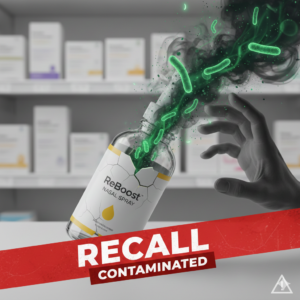
In an era where “clean label” and “plant-based” are synonymous with safety, the sudden recall of a staple wellness product can shake the very foundation of consumer trust. ReBoost Nasal Spray, long a favorite for those seeking a “natural” alternative to traditional decongestants, has become the center of a massive public health inquiry. On December 16, 2025, the manufacturer, MediNatura New Mexico, Inc., initiated a voluntary nationwide recall that has sent shockwaves through the health and wellness sector.
The Anatomy of Contamination: Why It Matters
Microbial contamination in pharmaceuticals is a serious violation of safety standards, but in nasal sprays, the risk is magnified. The nasal mucosa is highly vascularized and provides a direct pathway for pathogens to enter the respiratory system or even bypass the blood-brain barrier via the olfactory nerves. When a product like ReBoost is contaminated, the very act of using it “as directed” forces these pathogens deep into the sinus cavities.
The Danger of Achromobacter
Among the contaminants found, Achromobacter is perhaps the most concerning. This genus of bacteria is known for its ability to survive in moist environments and its high resistance to many common antibiotics. In clinical settings, it is classified as an “opportunistic pathogen.” For a healthy adult, it might cause localized inflammation. However, for those with pre-existing conditions—such as cystic fibrosis, asthma, or a weakened immune system due to chemotherapy—an Achromobacter infection can lead to pneumonia or sepsis.
The presence of yeast and mold further complicates the clinical picture. Fungal infections in the sinuses (fungal sinusitis) are notoriously difficult to treat and often require surgical intervention if the mold begins to colonize the bone or surrounding tissue. The ReBoost recall exposes a fundamental failure in the “sterile” environment required for manufacturing medical products.
Detailed Recall Information
The scope of this recall is exceptionally broad, covering nearly three years of production. This suggests that the contamination may not have been an isolated incident, but rather a persistent issue within the manufacturing facility’s water or filtration systems.
| Requirement | Recall Specifics |
|---|---|
| Affected Products | ReBoost Nasal Spray & ClearLife Allergy Spray |
| Manufacturer | MediNatura New Mexico, Inc. |
| Recall Coverage | All lots with expiration dates 12/2022 through 12/2025 |
| NDC Number | 62795-4005-9 |
| UPC Code | 787647101863 |
| Distribution | Nationwide (Retail, Pharmacy, and Online) |
The Regulatory Gap: Homeopathy vs. Conventional Medicine
The ReBoost incident forces a critical conversation regarding the regulation of homeopathic drugs in the United States. Many consumers assume that if a product is on a pharmacy shelf, it has undergone the same rigorous testing as an aspirin or an antibiotic. In the case of homeopathy, this is a dangerous misconception.
Pre-Market Approval vs. Post-Market Reaction
Conventional drugs must prove safety and efficacy through multiple phases of clinical trials before they reach the public. Homeopathic products, however, are governed by a different set of rules. While they are required to follow Current Good Manufacturing Practices (cGMP), they are often exempt from the FDA’s pre-market approval process. The FDA largely monitors the homeopathic market through “enforcement discretion,” meaning they typically intervene only after a problem—like a recall or an injury report—has occurred.
This “reactive” rather than “proactive” approach leaves a window of risk. When a company like MediNatura fails to maintain a sterile environment, the contamination is only caught through internal audits or, worse, when patients begin reporting unusual symptoms. The ReBoost recall serves as a sobering reminder that the “natural” label does not automatically include a guarantee of purity.
Identifying the Symptoms of Contamination
One of the most insidious aspects of the ReBoost contamination is that the symptoms of a microbial infection often mimic the symptoms the product is intended to treat. A patient using the spray for “sinus pressure” might mistake a bacterial infection for a stubborn cold.
Watch for these signs of infection:
- Facial Edema: Swelling that feels hot to the touch around the nose or eyes.
- Unusual Discharge: Nasal discharge that is thick, discolored (yellow or green), or has a foul odor.
- Fever and Chills: Systemic signs that indicate the body is fighting a pathogen.
- Vision Changes: Any blurring or pain behind the eyes, which could indicate the infection is spreading beyond the nasal cavity.
Manufacturing Failures: Behind the Scenes
How does Achromobacter find its way into a nasal spray? Industry experts point toward the water used in the manufacturing process. Homeopathic remedies rely heavily on extreme dilutions, meaning water is the primary ingredient. If a facility’s deionization or distillation system is compromised, a biofilm can form. Once a biofilm is established in the pipes, it can shed bacteria like Achromobacter into every batch of product produced.
Furthermore, the discovery of mold and yeast suggests a failure in the air filtration (HEPA) systems or the environmental controls of the cleanroom. In a properly regulated pharmaceutical facility, these levels of microbial growth would be flagged during routine environmental monitoring long before the product was bottled and shipped.
What Consumers Should Do Immediately
- Audit Your Medicine Cabinet: Check for any 20mL bottles of ReBoost or ClearLife. Even if the bottle is nearly empty, do not use the remaining amount.
- Safe Disposal: While you can return the product to the place of purchase, you should ensure it is not accessible to children or pets.
- Contact MediNatura: The company is offering refunds to all affected consumers. Reach out via email at recall@medinatura.com or by phone at 1-800-621-7644.
- Consult Your Physician: If you have used these products recently and feel unwell, provide your doctor with the details of the recall so they can test for specific pathogens like Achromobacter.
Conclusion: A Call for Transparency
The ReBoost recall of 2025 is a landmark event that may lead to stricter oversight of the homeopathic industry. While homeopathy offers an alternative for many, the safety of the delivery system is non-negotiable. Consumers deserve products that are as pure as their marketing claims. As MediNatura works to clear its shelves and settle its refunds, the broader industry must take this as a sign to invest more in quality control and less in aesthetic branding.
In the end, health is not just about the absence of synthetic chemicals; it is about the presence of rigorous safety standards. The ReBoost story is a reminder that we must remain vigilant and informed about every product we introduce into our bodies, no matter how “natural” it appears to be.