

No matter where you stand, one thing is certain: this proposal has sparked a national conversation about how trade policy can directly benefit everyday Americans.
Also read: White House Remodel: Trump’s $200 Million Ballroom and Historic Renovations
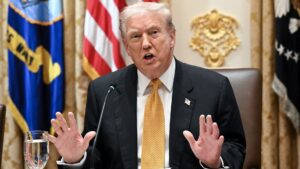
▶ What Is Trump’s $2000 Tariff Dividend Check?
The idea is centered on a simple shift: instead of letting tariff revenue sit inside government accounts, the money is returned to American citizens as an annual dividend. The logic behind the proposal is similar to the Alaska Permanent Fund, which pays residents a yearly dividend from state oil revenue. But here, the revenue would come from tariffs placed on foreign goods.
If implemented, every eligible adult could receive a check—estimated at about $2000 per year—funded exclusively by tariff income.
The proposal has been covered widely by major news outlets, including CNBC and The Wall Street Journal, each examining its feasibility and long-term impact.
▶ Why This Proposal Exists: The Bigger Economic Idea
The proposal attempts to answer a long-standing criticism: Americans feel the effects of tariffs through higher prices, but rarely see any direct benefit. By distributing the tariff revenue, the plan aims to:
- Offset potential price increases
- Put more cash in the hands of middle-class workers
- Strengthen domestic manufacturing
- Make foreign competitors pay more to access the U.S. market
The idea flips the old tariff model upside down. Instead of tariffs being a hidden cost, they become a public financial benefit.
▶ Who Would Get the $2000 Tariff Dividend Check?
While final policy details would depend on Congress, analysts expect eligibility to mirror other federal payments:
- U.S. citizens aged 18 and above
- Possibly including seniors, veterans, and disabled adults
- No income limit expected (unlike stimulus checks)
In other words, the payout wouldn’t be targeted—it would be universal.
▶ How Much Money Tariffs Could Generate
The proposal relies heavily on tariff collections. So how much can tariffs realistically bring in?
Economists estimate that depending on tariff rates and countries targeted, annual revenue could range from $300 billion to more than $800 billion.
Projected Tariff Revenue Scenarios
| Scenario | Projected Tariff Revenue | Possible Annual Dividend | Notes |
|---|---|---|---|
| Conservative Tariff Increase | $310B | $1200–$1600 | Moderate inflation risk |
| Aggressive Tariff Expansion | $520B+ | $2000+ | Could fully fund proposed check |
| Global Tariff Realignment | $600B–$700B | $2300–$2600 | Major import restructuring |
| High-Tariff Maximum Pressure | $800B+ | $3000+ | Massive trade shift; high risk |
▶ Impact on American Families
For many households, an annual $2000 check could make a meaningful difference:
- Help pay rent or utilities
- Cover rising grocery costs
- Support childcare expenses
- Boost savings or emergency funds
- Offset credit card or medical debt
Because the payment is yearly rather than one-time, families could plan around it like a small annual bonus.
▶ Critics Say the Plan Could Raise Prices—Is It True?
Some economists argue tariff increases could raise prices for American consumers. For example, Brookings Institution analysts suggest higher tariffs typically increase the cost of imported goods.
But supporters say the $2000 dividend would offset these increases and leave most households better off. They also argue that tariffs would push more companies to manufacture inside the U.S., reducing dependency on foreign production.
▶ Supporters Say It Could Strengthen U.S. Factories
One of the key aims of the Tariff Dividend model is to encourage American manufacturing. By making foreign imports more expensive, companies might find it more cost-effective to open plants in the United States.
This could lead to:
- More factory jobs
- Increased domestic output
- Higher wages in industrial towns
While long-term results would take years to measure, many believe the plan could trigger a manufacturing comeback similar to the one seen during previous tariff cycles.
▶ Second Table: Revenue vs. Required Payout
| Adults in the U.S. | Total Needed for $2000/Person | Break-Even Tariff Revenue | Status |
|---|---|---|---|
| 210 million | $420 billion | $420B | Feasible under aggressive tariff plan |
| 225 million | $450 billion | $450B | Requires higher tariff rates |
| 240 million | $480 billion | $480B | Only under high-tariff pressure model |
▶ Could This Really Happen?
Like all major economic proposals, it depends on political support, congressional approval, and economic conditions. But the idea has become a major topic in U.S. policy discussions, and economists continue to analyze its long-term feasibility.
Even if not implemented fully, it may inspire alternative models—such as smaller tariff rebates, targeted credits, or tariff-funded infrastructure programs.
▶ Key Pros & Cons
Pros
- Direct financial benefit to Americans
- Encourages domestic manufacturing
- Funded entirely by foreign importers
- No new personal taxes required
Cons
- Possible price increases on some imports
- Risk of trade retaliation from foreign nations
- Tariff revenue may fluctuate yearly
Final Thoughts
Trump’s $2000 Tariff Dividend Check is bold, unusual, and disruptive—and that’s exactly why so many people are talking about it. Whether you support or oppose the idea, it represents a shift in how Americans think about trade, government revenue, and the possibility of sharing that revenue directly with citizens.
As the debate continues, one question remains front and center: Should tariff revenue belong to the government, or to the people?
No matter what comes next, the conversations sparked by this proposal have already reshaped the future of America’s economic imagination.