
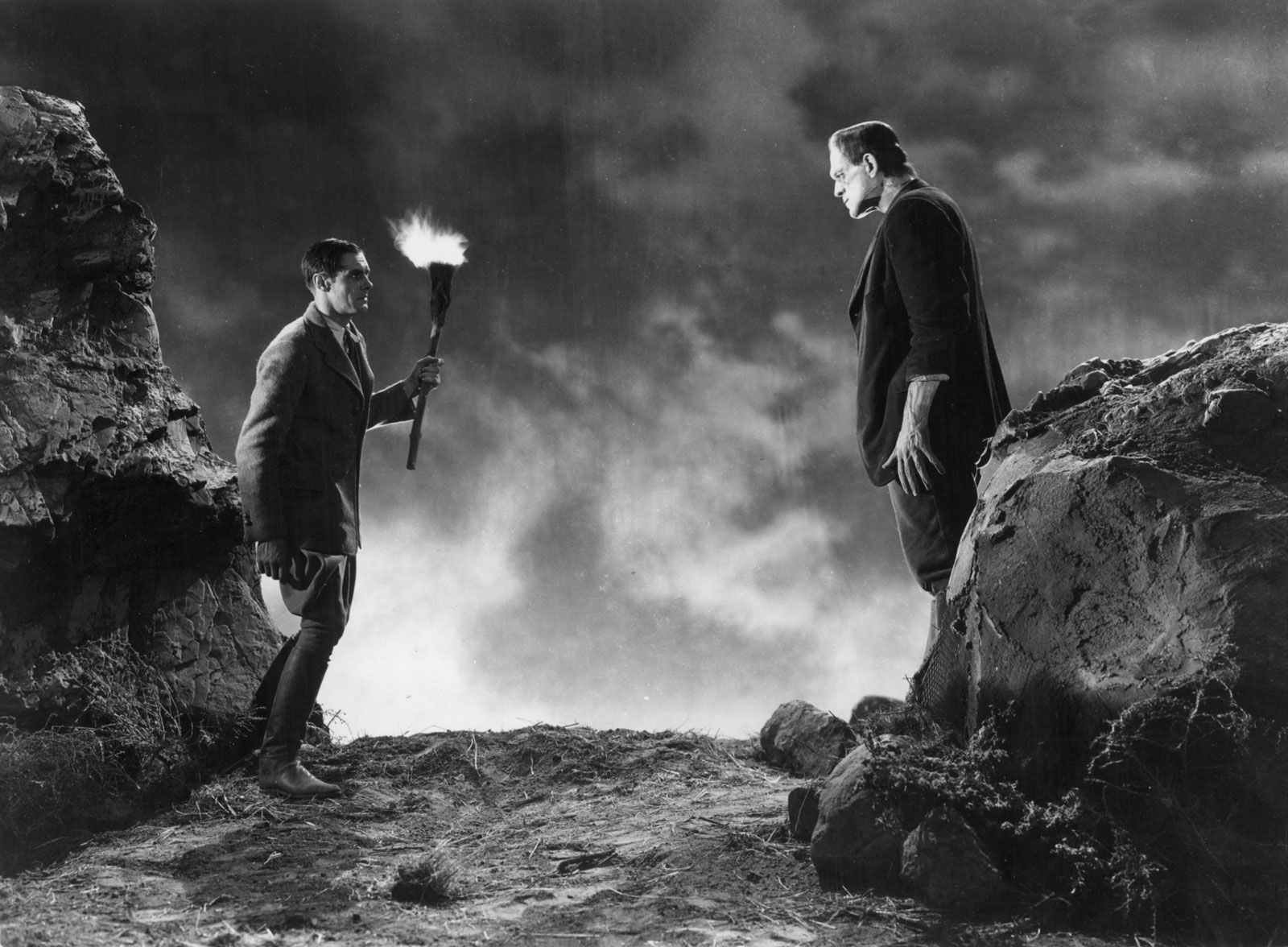
The question “Where was Frankenstein filmed?” opens up a fascinating journey through several countries, historic estates, and dramatic studio builds. In the 2025 adaptation of Frankenstein; or, The Modern Prometheus by Mary Shelley — directed by Guillermo del Toro — the production blends real-world architecture and vast studio sets to create a richly textured visual world.
Below we’ll explore the major filming locations, look at why each was chosen, and offer tips for fans who might want to visit.
Read too : The Mystery of Piotr Binter: Scene-by-Scene Breakdown and Deeper Meaning Behind the Enigma
1. Toronto & Canada (Studio / Arctic sequences)
Although much of the film evokes the landscapes of Europe and the gothic mansions of Britain, much of the technical heavy-lifting was done in Canada, particularly around Toronto.
- According to the production design notes, the beginning of the film takes place “in the farthest north” – a ship trapped in ice, the horror of crossing polar seas. For that, the production built a full ship set in a Toronto lot (the “Horisont” ship) with a massive gimbal, artificial ice, and waxed snow.
- The article in TimeOut details that the dog‐sled scenes (and iced lake scenes) were filmed on Lake Nipissing north of Toronto, where conditions were precarious due to thawing ice.
- The IMDb listing also confirms the Canadian locations (North Bay, Nipissing, Ontario) as part of the exterior work.
Why this matters
The choice of Canada allowed the filmmakers to create controlled, extreme cold‐weather visuals while remaining accessible to studios and crews. Real ice, real snow, real set pieces give a tactile feeling. Del Toro commented that he wanted real locations and sets, rather than entirely digital landscapes.
Key takeaway
If you hear the question “Where was Frankenstein filmed?”, remember: while the scenic European mansions dominate our mental image, the story’s opening Arctic and ship sequences were largely created in Canada around Toronto.
2. Scotland – Edinburgh, East Lothian, Aberdeenshire
Scotland plays a starring role in the visual aesthetic of this film ― as a location that evokes the gothic, historic, and atmospheric tones of Shelley’s original novel.
Edinburgh & Old Town
- The production spent time filming in the heart of Edinburgh, notably on the Royal Mile and places like Lady Stair’s Close and Makars’ Court.
- St Giles Cathedral (in Edinburgh) and its surrounding square (West Parliament Square) were used as bustling marketplace scenes.
- According to a location breakdown, the city’s architecture provided a dense historic texture: narrow alleys, stone façades, cobbled streets. The production designer said: “Old Edinburgh exuded that Gothic, wet cobblestone look we wanted.”
East Lothian & Aberdeenshire
- Gosford House (in East Lothian) was used for parts of the Frankenstein family estate exteriors/interiors.
- In Aberdeenshire, Dunecht House provided its vast library and vaulted rooms for interior sequences.
Why Scotland was chosen
- The novel itself travels through Europe, but Scotland has a tangible atmosphere of rugged beauty, old stone‐built architecture, and gothic mood. The production notes emphasise that Scotland became the “hero” location.
- Also logistically: filming in Edinburgh and nearby places offered real historic buildings with the look the filmmakers wanted.
Visiting tip
For fans of set‐jetting, Edinburgh’s Old Town offers striking backdrops. Visiting Royal Mile, Lady Stair’s Close or Makars’ Court allows you to stand where scenes were filmed. Sites like Gosford House may have limited public access, so check ahead.
3. England – Historic Country Estates
Some of the most lavish interiors of the film were drawn from English country houses – grand, opulent, and full of historic detail.
Wilton House, Wiltshire
- The estate’s iconic Double Cube Room was used as the Frankenstein family dining room in the film.
- The house has a film history (including Barry Lyndon) and appealed to del Toro as a production space.
Burghley House, Lincolnshire
- Interiors such as the Great Hall and Bow Room of Burghley contributed to the Frankenstein estate interiors.
Why this matters
Combining multiple estates (Scottish + English) allowed the production to craft a “composite” mansion – creating the sense of a vast, historic, somewhat uncanny family seat without being limited to a single location. As one article puts it: “the Frankenstein estate is not a single location, but a ‘Frankenstein’ amalgam of four different sites.”
Tip for visitors
Many of these estates host public tours or open days. If you’re intrigued by the architecture of the film, plan ahead. Note that some areas used in filming may still be private or off-limits.
4. Additional / Miscellaneous Locations
Beyond the major sets above, several additional locations and builds played key roles.
- For a church–confessional scene, the interior of Glasgow Cathedral was used.
- Some large exterior sets (for example the “tower” referenced in production breakdowns) were built at the Markham Fairgrounds outside Toronto.
- The 2025 article on Scottish filming locations mentions Hospitalfield House (near Arbroath) as standing in for one character’s house.
These illustrate how the filmmakers blended authentic historic locations with large‐scale studio/lot builds and set-pieces.
5. Summary: Answering the Question Where Was Frankenstein Filmed?
So, to directly answer the question “Where was Frankenstein filmed?”:
- The film was shot across multiple countries: mainly the United Kingdom (Scotland and England) and Canada (near Toronto) for studios and cold‐weather scenes.
- Scotland (Edinburgh, East Lothian, Aberdeenshire) featured both exterior street scenes and interior estate work.
- England (Wiltshire, Lincolnshire) provided historic country house interiors/exteriors.
- Canada provided studio sets and arctic/ice sequences (Toronto, Lake Nipissing).
In short: it’s not a single place but a carefully curated combination of real locations + stage builds designed to give a fictional yet richly textured world.
6. Why Choosing These Locations Was Important for the Film’s Vision
Understanding where something is filmed helps to appreciate why. Here are some of the reasons these locations were selected:
- Authenticity & atmosphere: Del Toro’s production leaned heavily into real locations and built estates to generate a tactile gothic texture rather than relying purely on CGI.
- Historic architecture: The mansions of Britain (Wilton, Burghley, Gosford) provide a visual connection to 19th-century aristocracy, elm halls, candlelight – and that sense of something old, haunted, grand.
- Mood & setting: Scotland’s landscape and old town architecture capture the damp stone, narrow streets, and gothic corners perfect for the story’s tone.
- Logistical pragmatism: Canada offered studio space, controlled sets for arctic sequences, and the ability to safely build large ice/ship sets, which would be far more difficult and expensive elsewhere.
- Composite world-building: Rather than filming in a single mansion, the film combines multiple estates into the “Frankenstein house” – allowing flexibility in interiors and exteriors.
7. A Map of Key Locations (for Set-Jetters)
If you’re inspired to visit filming locations from Frankenstein, here are a few places to focus on:
- Edinburgh Old Town: Royal Mile, Lady Stair’s Close, Makars’ Court – historic streets where scenes were filmed.
- Gosford House, East Lothian (Scotland): Exterior of the Frankenstein estate.
- Dunecht House, Aberdeenshire (Scotland): Vaulted library interiors.
- Wilton House, Wiltshire (England): Double Cube Room used as dining room.
- Burghley House, Lincolnshire (England): Additional interiors.
- Toronto & Northern Ontario (Canada): Studio and ice/ship sets.
8. Frequently Asked Questions
Q: Does the filming location match the novel’s setting?
A: Not exactly. The novel by Mary Shelley is set in several European locales (Switzerland, Germany, the Arctic). The film uses these locations more as inspiration, but largely places the action in fictional/unnamed spaces. The production designer noted they let it become fantasy rather than rigidly geographic.
Q: Can I visit these places open to the public?
A: Many are open in some capacity, but some—including private estates—may require advance booking, have limited access, or only offer external visits. Always check the estate’s website for tours, opening times, and filming access notes.
Q: Did they build all the sets or use only real locations?
A: They used a mix. Some sequences (especially the arctic ship scenes) were large studio builds in Canada. Others used existing historic locations in Scotland and England. The combination gives the film both authenticity and practical flexibility.
9. Why This Filming Strategy Works for Frankenstein
Using multiple filming locations across countries offers several advantages, especially for a film like Frankenstein:
- Variety in setting: From icy seas to gothic mansions to cramped historic streets – each location brings a different flavour appropriate to the story’s progression.
- Scale and grandeur: Historic estates provide a sense of nobility, age, and hidden secrets, which suits the Frankenstein mythos.
- Visual cohesion: Although the locations are spread out, the production design unifies them via mood, colour-grading, and aesthetic choices, making the world feel consistent.
- Production control: Studio and built sets allow for safe shooting of extreme elements (ice, storms, shipwrecks) which real locations might struggle to accommodate.
- Tourism potential: Smart choice by location scouts: many of these filming sites themselves have a following, boosting interest in the film and locations alike.
10. Final Thoughts
When someone asks “Where was Frankenstein filmed?”, the short answer is: “In multiple dramatic and historic locations across the UK and Canada.” But the full answer is richer: it was filmed in Edinburgh, East Lothian, Aberdeenshire, Wiltshire, Lincolnshire, and around Toronto/Ontario, combining historic mansions, ancient city streets, and purpose-built studio sets to bring a new version of the Frankenstein myth to life.
The result is a film world that feels both grounded in real architecture and locations – and also dream-like, otherworldly and gothic. If you’re a fan of the novel’s atmosphere, architectural history, or cinematic-location tourism, the filming-story of Frankenstein offers plenty to explore.