
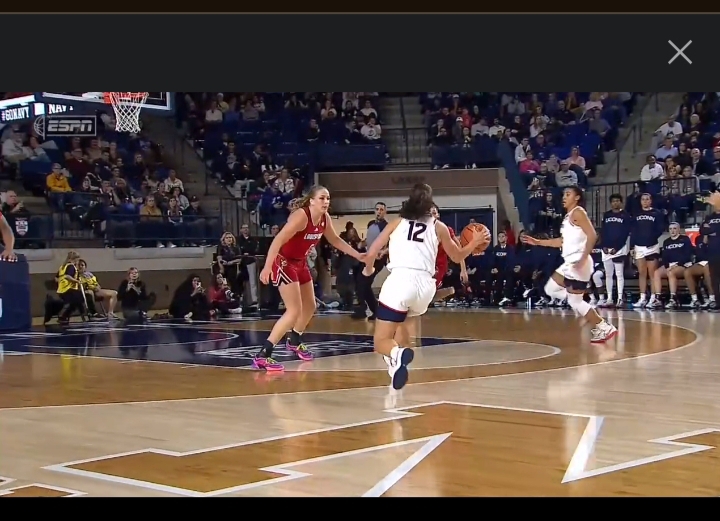
Women’s college basketball has grown from a niche sport into one of the most dynamic and inspiring athletic movements in the United States. Once overshadowed by men’s tournaments, it now commands millions of fans, significant media coverage, and some of the most passionate rivalries in college sports. From powerhouse programs like UConn and South Carolina to emerging stars rewriting the record books, women’s college basketball is changing the landscape of athletics and redefining the meaning of competition and empowerment.
The Rise of Women’s College Basketball
The evolution of women’s college basketball has been nothing short of revolutionary. In the early 1970s, before the implementation of Title IX, opportunities for female athletes were scarce. Few schools offered scholarships, and games often took place in front of small crowds. But by mandating equal opportunities for men and women in education — including athletics — Title IX transformed the collegiate sports scene.
Over the decades, women’s college basketball transitioned from amateur-level play into a national spectacle. Today, the NCAA Women’s Basketball Tournament, also known as March Madness, attracts millions of viewers each year, with top players becoming national celebrities before even entering the WNBA.
Key Milestones in the History of Women’s College Basketball
- 1972 – Title IX Passed: The foundation for equality in sports opportunities for women.
- 1982 – First NCAA Women’s Basketball Tournament: Louisiana Tech won the inaugural championship, marking a new era for women’s athletics.
- 1995 – UConn’s Undefeated Season: The Huskies, led by coach Geno Auriemma and star Rebecca Lobo, put women’s basketball in the national spotlight.
- 2006 – Dawn Staley’s Coaching Era Begins: A former star player turned legendary coach, Staley built South Carolina into a dynasty.
- 2023 – Record-Breaking Viewership: The championship game between LSU and Iowa drew over 9.9 million viewers — the most-watched women’s college basketball game ever.
Top Programs Dominating Women’s College Basketball
Women’s college basketball features a handful of powerhouse programs that consistently deliver elite performances, attract top recruits, and dominate national rankings.
1. University of Connecticut (UConn Huskies)
- Coach: Geno Auriemma
- Championships: 11 NCAA titles
UConn remains the gold standard in women’s college basketball. Known for producing legends like Diana Taurasi, Sue Bird, Maya Moore, and Breanna Stewart, the Huskies built a dynasty rooted in discipline, teamwork, and consistency. Their 111-game winning streak between 2014–2017 stands as one of the greatest achievements in all of sports.
2. South Carolina Gamecocks
- Coach: Dawn Staley
- Championships: 3 (2017, 2022, 2024)
Under Staley’s leadership, South Carolina has become a powerhouse of defensive strength and recruiting excellence. Players like A’ja Wilson, Aliyah Boston, and Zia Cooke helped redefine the modern women’s college basketball era.
3. Stanford Cardinal
- Coach: Tara VanDerveer
- Championships: 3 (1990, 1992, 2021)
VanDerveer’s longevity and innovation have kept Stanford at the top for decades. Known for producing academically and athletically balanced athletes, Stanford remains a symbol of excellence on and off the court.
4. LSU Tigers
- Coach: Kim Mulkey
- Championships: 1 (2023)
Mulkey’s bold style and competitive drive transformed LSU into a national contender. With stars like Angel Reese and Flau’jae Johnson, the Tigers have made headlines both for their dominant play and their unique cultural impact.
5. Iowa Hawkeyes
- Coach: Lisa Bluder
- Star Player: Caitlin Clark
While Iowa hasn’t historically been a perennial powerhouse, the meteoric rise of Caitlin Clark has put them on the map. Her incredible scoring ability and charisma have drawn record audiences, turning her into the face of modern women’s college basketball.
Caitlin Clark and the Modern Era of Women’s College Basketball
Caitlin Clark’s rise symbolizes a new era. Her deep three-point shots, court vision, and confidence have not only made her a scoring machine but also a cultural icon. In 2023–2024, she broke multiple NCAA records, including the all-time leading scorer in Division I basketball history (men or women).
Clark’s popularity extends far beyond Iowa — her games consistently break viewership records, and her NIL (Name, Image, Likeness) endorsements have redefined the marketing power of female athletes.
Her influence shows that women’s college basketball is now mainstream entertainment — exciting, marketable, and globally recognized.
Media and Sponsorship Boom in Women’s College Basketball
Media coverage has played a pivotal role in the growth of women’s college basketball. ESPN’s consistent broadcasting of NCAA tournaments and high-profile regular-season games has boosted accessibility. The 2023 women’s March Madness finals between LSU and Iowa attracted nearly 10 million viewers, surpassing many men’s sporting events.
Brands have also taken notice. Corporate sponsorships, NIL deals, and merchandising have skyrocketed. Players like Paige Bueckers, Angel Reese, and Caitlin Clark have inked partnerships with major brands like Nike, Gatorade, State Farm, and Adidas, highlighting the growing economic potential of women’s basketball.
The Role of NIL in Women’s College Basketball
The introduction of NIL rights in 2021 changed everything. College athletes can now earn money through brand deals, appearances, and social media influence. Women’s basketball players, in particular, have been among the biggest beneficiaries.
Why? Because women’s basketball fans tend to be deeply engaged, supportive, and loyal — creating ideal brand ambassadors. Players like Hailey Van Lith and Angel Reese leveraged their fame into lucrative multi-brand partnerships, combining athletic performance with entrepreneurship.
This shift has made women’s college basketball not just about athletic performance but about building personal brands and inspiring the next generation of athletes.
Key Rivalries in Women’s College Basketball
Rivalries fuel the sport’s intensity and attract massive audiences. Some of the most thrilling matchups include:
- UConn vs. Tennessee – The original rivalry that defined the 1990s and 2000s.
- South Carolina vs. LSU – A modern SEC battle between two powerhouse coaches, Dawn Staley and Kim Mulkey.
- Iowa vs. LSU – Caitlin Clark vs. Angel Reese became a cultural phenomenon in 2023’s national championship and beyond.
- Stanford vs. Oregon – A West Coast classic showcasing elite talent and coaching.
These games don’t just determine rankings — they build narratives that drive fan loyalty and expand the sport’s reach.
Emerging Players to Watch in Women’s College Basketball (2025 Season)
Women’s college basketball continues to produce elite talent. Here are some standout players who could shape the future:
- Hannah Hidalgo (Notre Dame): Known for her quickness and elite defensive instincts.
- JuJu Watkins (USC): A scoring sensation who’s already drawing national attention as a freshman.
- MiLaysia Fulwiley (South Carolina): Electrifying ball handler with a flair for the dramatic.
- Saniya Rivers (NC State): Versatile and athletic, making waves in the ACC.
- Aaliyah Edwards (UConn): The Huskies’ reliable leader with championship potential.
These names represent the next generation — bold, confident, and ready to elevate women’s basketball to even greater heights.
Coaching Legends in Women’s College Basketball
Behind every great team is a visionary coach. The following leaders have shaped the sport through discipline, innovation, and mentorship:
- Pat Summitt (Tennessee): The late coaching legend with 1,098 career wins — a pioneer who set the gold standard for excellence.
- Geno Auriemma (UConn): His disciplined system and ability to develop superstars revolutionized women’s basketball.
- Dawn Staley (South Carolina): A trailblazer who connects with her players on and off the court, leading with authenticity.
- Kim Mulkey (LSU): A fiery competitor known for her winning mentality and dynamic coaching style.
- Tara VanDerveer (Stanford): A master tactician whose longevity and adaptability make her one of the most respected figures in the game.
These coaches didn’t just win titles — they built cultures that fostered leadership, unity, and excellence.
The Impact of Social Media on Women’s College Basketball
Social media has democratized exposure. Platforms like TikTok, Instagram, and X (Twitter) allow players to connect directly with fans, share behind-the-scenes content, and grow personal brands.
Highlights of buzzer-beaters, emotional interviews, and viral celebrations now reach millions instantly. Caitlin Clark’s logo threes, Angel Reese’s championship celebration, and Paige Bueckers’ comeback journey became viral moments that drew millions of new fans to women’s college basketball.
As visibility increases, so does the sport’s cultural relevance. The digital era has turned players into influencers and ambassadors for women’s sports empowerment.
The Cultural and Social Significance of Women’s College Basketball
Women’s college basketball has transcended sport. It stands at the intersection of athletics, empowerment, and social progress. The players are not only athletes — they are role models advocating for gender equality, racial justice, and inclusivity.
Many college basketball stars use their platforms to discuss mental health, education, and body positivity. Teams often participate in community outreach programs and promote diversity within athletics.
The success and visibility of women’s basketball inspire young girls worldwide, proving that female athletes can dominate headlines, break records, and drive cultural change.
Women’s College Basketball vs. Men’s: Narrowing the Gap
For decades, women’s sports faced an unfair comparison to men’s programs in terms of viewership and funding. However, that gap is rapidly shrinking. In 2023, the women’s NCAA championship outperformed several men’s games in ratings — a first in history.
The style of play in women’s college basketball emphasizes teamwork, fundamentals, and strategy, often appealing to purists who admire technical mastery over raw athleticism. Meanwhile, fan engagement — both in-person and online — continues to rise, proving that women’s sports are not a “niche” but a mainstream force.
The Future of Women’s College Basketball
The future looks incredibly bright. With increasing media coverage, NIL opportunities, and global interest, women’s college basketball is positioned for explosive growth.
Predictions for the Next Decade:
- Expanded Media Deals: More networks and streaming platforms will compete for broadcasting rights.
- Rising Salaries and NIL Deals: Top players could earn six or seven figures before turning professional.
- International Recruitment: More overseas players will join NCAA programs, enhancing global appeal.
- Tech-Driven Analytics: Teams will adopt advanced data analysis to refine performance strategies.
- Cultural Integration: Music, fashion, and pop culture will continue blending into women’s basketball events, expanding its entertainment value.
How Fans Can Support Women’s College Basketball
Supporting women’s college basketball doesn’t stop at watching March Madness. Here are ways fans can contribute to its continued success:
- Attend games – Local college matchups often feature incredible talent and energy.
- Follow players on social media – Engagement helps boost visibility and sponsorships.
- Buy team merchandise – Jerseys, apparel, and collectibles directly support programs.
- Promote conversations – Share highlights and stories to inspire new fans.
- Support WNBA transition – Follow players’ professional careers after college.
Every action — no matter how small — helps sustain the momentum of the women’s basketball revolution.
Conclusion: The Golden Age of Women’s College Basketball
Women’s college basketball is no longer just a “rising” sport — it has arrived at the pinnacle of excitement, visibility, and empowerment. From Caitlin Clark’s long-range heroics to South Carolina’s dominance and UConn’s enduring legacy, the game continues to evolve in style, strength, and storytelling.
The movement reflects more than athleticism — it embodies resilience, opportunity, and progress. As the fan base grows and the media spotlight intensifies, women’s college basketball is paving the way for future generations to dream bigger, play harder, and change the game forever.