
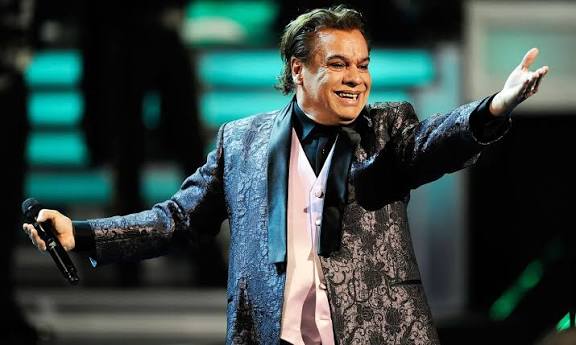
Alberto Aguilera Valadez, known globally as Juan Gabriel, remains one of Mexico’s most iconic singers, composers, and cultural legends. His music transcended borders, touching millions of fans across Latin America and beyond. When he passed away, many were left wondering: how old was Juan Gabriel when he died, and what legacy did he leave behind?
Born on January 7, 1950, in Parácuaro, Michoacán, Mexico, Juan Gabriel lived a life full of melody, passion, and deep emotion. His tragic passing on August 28, 2016, marked the end of an era for Latin pop and romantic ballads. At the time of his death, Juan Gabriel was 66 years old.
Early Life and Humble Beginnings
Juan Gabriel’s early life was marked by hardship. Growing up in poverty, he was raised primarily by his mother after his father was institutionalized. The youngest of ten children, he spent part of his youth in boarding schools and reformatories, including the El Tribunal boarding school in Ciudad Juárez. It was there that his extraordinary musical talent began to shine.
As a teenager, Juan Gabriel started composing and performing songs in local venues. He later adopted his famous stage name, combining “Juan” from his mentor Juan Contreras and “Gabriel” in honor of his father. His humble beginnings shaped his unique emotional depth, reflected in his songs that spoke of love, heartbreak, and hope.
Read too : Post Malone Sued: The Full Story Behind the Legal Drama
The Rise to Stardom
His professional breakthrough came in 1971 with the release of his debut album El Alma Joven (The Young Soul), which featured the song “No Tengo Dinero.” The song became a massive hit, propelling him to stardom across Mexico and Latin America. From there, Juan Gabriel’s career skyrocketed — he went on to record over 1,800 songs and sell more than 100 million albums worldwide.
What made Juan Gabriel so beloved was not just his music, but his charisma and flamboyant stage presence. His performances were emotional spectacles, blending drama, dance, and heartfelt storytelling. He could command the stage at grand arenas and yet maintain an intimate connection with every audience member.
The Day the Music Stopped: Juan Gabriel’s Death
When the news broke on August 28, 2016, that Juan Gabriel had died in Santa Monica, California, fans around the world were in disbelief. He had performed just two days earlier in Los Angeles as part of his “México Es Todo” (Mexico Is Everything) tour. According to reports, the singer died from a heart attack at his home.
His passing was sudden and deeply felt — especially since he appeared vibrant and full of energy on stage days before. At 66 years old, Juan Gabriel left behind not only a massive catalog of timeless music but also a legacy that continues to inspire artists of every generation. His death was mourned across Mexico, the United States, and Latin America, with tributes pouring in from musicians, political leaders, and fans alike.
The Emotional Power of His Music
Juan Gabriel’s music covered a wide emotional spectrum. He wrote for himself and for countless other famous singers such as Rocío Dúrcal, Isabel Pantoja, Lucha Villa, and Vicente Fernández. His songwriting reflected his deep empathy and understanding of human emotion — from passionate love songs to heart-wrenching ballads.
His Most Beloved Songs
One of his greatest talents was the ability to make every listener feel personally connected to his lyrics. Songs like “Querida,” “Amor Eterno,” and “Hasta Que Te Conocí” became anthems of love and loss.
“Amor Eterno,” in particular, written for his late mother, is often played at funerals throughout the Spanish-speaking world, symbolizing eternal love and remembrance.
A Nation Mourns: The Tribute at Palacio de Bellas Artes
Juan Gabriel’s passing marked the end of a chapter, but it also sparked an outpouring of appreciation for his artistry. In Mexico City, thousands of fans gathered at the Palacio de Bellas Artes, where his ashes were displayed in a national tribute.
It was a fitting honor for a man who had given so much to Mexican culture. The event featured live performances, heartfelt speeches, and tears from those who grew up with his music.
Even after his death, Juan Gabriel’s songs continued to dominate the charts. His albums re-entered Billboard’s Latin charts, and streaming platforms saw massive spikes in his music’s popularity. Fans revisited his concerts, interviews, and iconic TV performances — proof that legends never truly fade.
Beyond Fame: Juan Gabriel’s Generosity and Character
Beyond music, Juan Gabriel was known for his generosity and humility. Despite his fame, he remained deeply connected to his roots. He donated to orphanages, schools, and charitable organizations throughout Mexico, often without seeking publicity.
A Symbol of Authenticity and Courage
He was also known for his openness and defiance of societal norms. His flamboyant fashion, emotional expressiveness, and refusal to conform made him a trailblazer in Latin entertainment. While he never publicly labeled his sexuality, Juan Gabriel’s authenticity made him a symbol of self-expression and courage in a conservative era.
Awards, Recognition, and Influence
Over the years, Juan Gabriel earned numerous awards and honors, including multiple Latin Grammy Awards, a Star on the Hollywood Walk of Fame, and induction into the Billboard Latin Music Hall of Fame.
Yet, perhaps his greatest recognition came from the people. To millions, he wasn’t just a singer — he was El Divo de Juárez (The Divo from Juárez), a national treasure whose songs narrated their lives.
Juan Gabriel’s influence extended beyond music. His story — of resilience, talent, and passion — continues to inspire new generations of artists in both Latin America and around the world. He opened doors for Latin performers to achieve international success and changed how the world perceived Mexican music.
The Meaning Behind His Age and Legacy
The question of “how old was Juan Gabriel when he died” may seem simple, but it carries profound meaning. At 66 years old, he had lived a life fuller than most — creating a musical legacy that spanned nearly five decades.
His artistry lives on in every song played at family gatherings, in every serenade, and in every soul that finds comfort in his lyrics. In his final interviews, Juan Gabriel often said that he wanted to be remembered not for fame, but for love. And in that sense, he succeeded. Love was the essence of everything he did — in his music, his performances, and his interactions with the world.
Continuing Legacy and Modern Influence
Today, Juan Gabriel’s legacy continues through tribute concerts, documentaries, and re-released albums. In 2019, a biographical series titled Hasta Que Te Conocí chronicled his life story, bringing his journey to a new audience.
Fans continue to visit his hometown of Parácuaro and the city of Ciudad Juárez, where murals and monuments stand in his honor.
Inspiring New Generations
His influence can be heard in the works of contemporary Latin artists like Alejandro Fernández, Christian Nodal, and Luis Miguel — all of whom cite him as an inspiration. Even younger generations who never saw him live recognize his name as synonymous with passion and artistry.
Juan Gabriel’s Timeless Impact
Juan Gabriel may have died at 66, but his music remains ageless. His songs continue to play at weddings, festivals, and family gatherings, proving that his emotional connection with fans is eternal.
Whether it’s the melancholy of “Te Lo Pido Por Favor” or the joy of “Se Me Olvidó Otra Vez,” every lyric carries a piece of his soul.
In Mexico, he is celebrated not just as a musician, but as a national icon — a figure who united people through art and emotion. His voice, filled with tenderness and fire, continues to echo through time, ensuring that his spirit lives forever.
So when people ask, “How old was Juan Gabriel when he died?” the answer is 66 years old — but his legacy is timeless. Juan Gabriel didn’t just die; he transformed into a permanent part of Latin American culture, forever remembered for his voice, his passion, and his unwavering message of love.
Juan Gabriel’s Legacy in Numbers
- Born: January 7, 1950
- Died: August 28, 2016
- Age at Death: 66
- More than 1,800 songs written
- Over 100 million albums sold
- 30+ studio albums
- 2 Latin Grammys and numerous Billboard honors
- 1 Star on the Hollywood Walk of Fame
- Countless hearts touched worldwide
Final Thoughts
Juan Gabriel’s journey from a poor child in Michoacán to one of the greatest Latin music icons is one of resilience, passion, and talent. Though his life ended at 66, his legacy will endure for centuries. His songs remain timeless reminders that music can heal, unite, and transcend death.
Juan Gabriel once said: “As long as there is someone who listens to my songs, I will never die.”
And indeed, through every melody that plays, El Divo de Juárez lives on.