
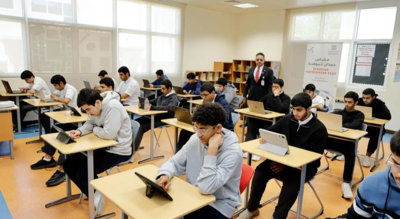
In a world increasingly driven by innovation, creativity, and intellect, some countries quietly nurture the minds that will shape our future. The next generation of geniuses is not born overnight; it is cultivated through education, cultural values, government policies, and societal expectations. While global attention often gravitates toward economic powerhouses like the United States, China, and Germany, there are nations quietly producing extraordinary talent behind the scenes. This article explores the factors shaping this intellectual revolution and highlights how the next generation of geniuses is being cultivated.
Read too : The Global IQ Race: How Intelligence and Education Are Shaping the Future of World Competitiveness

Understanding What Makes a Genius
Before exploring which countries are leading in nurturing exceptional minds, it is important to understand what constitutes a genius. Traditionally, genius has been associated with extraordinary cognitive ability, often measured through IQ tests or exceptional performance in fields such as mathematics, science, music, and literature. However, modern perspectives emphasize creativity, problem-solving, emotional intelligence, and adaptability as equally critical components of genius.
Genius is often recognized when talent is paired with opportunity. The environment in which a child grows—access to quality education, mentorship, and resources—plays a pivotal role in shaping their potential. While innate ability matters, nurturing and guidance often determine whether that potential is realized. This is exactly what contributes to the rise of the next generation of geniuses.
The Role of Education in Developing the Next Generation of Geniuses
Education systems worldwide vary significantly, but countries producing the next generation of geniuses tend to share common characteristics:
- Emphasis on Critical Thinking: Top-performing countries encourage students to question, analyze, and synthesize information rather than merely memorizing facts. Problem-based learning and inquiry-driven approaches foster intellectual independence.
- Early Talent Identification: Many nations implement programs to identify gifted children at an early age, offering specialized curricula to challenge and stimulate their abilities.
- Integration of STEM and Arts: A balanced approach incorporating science, technology, engineering, mathematics (STEM), and the arts cultivates both analytical and creative skills, producing well-rounded geniuses.
- Teacher Excellence: Highly trained and motivated teachers, often with incentives and ongoing professional development, play a critical role in inspiring and guiding students.
Countries like Singapore, Finland, and South Korea are often cited for their robust educational frameworks that cultivate high-level cognitive and creative skills, consistently producing students who excel internationally and contribute to the next generation of geniuses.
Cultural Values That Foster the Next Generation of Geniuses
Beyond formal education, cultural attitudes profoundly impact the development of the next generation of geniuses. Societies that value curiosity, persistence, and intellectual achievement create environments where talent can flourish. In some cultures, there is a strong societal expectation to pursue academic excellence, while others emphasize creativity and unconventional thinking.
For example, countries with traditions of storytelling, debate, and philosophical inquiry encourage children to explore abstract thinking from a young age. Meanwhile, societies emphasizing discipline, focus, and continuous practice often produce mastery in technical fields like mathematics, engineering, and classical music, nurturing the next generation of geniuses.
Government Policies and National Investment
Governments that prioritize human capital investment significantly contribute to nurturing exceptional minds. Scholarships, grants, and funding for research and innovation can provide young talent with opportunities to reach their full potential. Additionally, partnerships between schools, universities, and industry create pipelines for students to develop real-world expertise.
Nations like Germany and Japan have long invested in research and development, fostering environments where brilliant minds can thrive. Countries offering robust social support—healthcare, nutrition, and extracurricular opportunities—also enable children to focus on intellectual growth without the burden of socioeconomic constraints, accelerating the rise of the next generation of geniuses.
Technology and the Global Stage
In the digital age, technology plays an increasingly pivotal role in shaping the next generation of geniuses. Access to the internet, online courses, AI-driven learning tools, and international collaboration allows young minds to explore beyond local boundaries. Talented students in remote regions can now participate in global competitions, virtual labs, and mentorship programs, leveling the playing field for intellectual development worldwide.
Tech hubs in emerging economies are producing innovators who rival those from established centers of knowledge. Countries investing in coding bootcamps, robotics competitions, and AI research are ensuring that their youth are not only consumers of technology but creators and pioneers, forming the backbone of the next generation of geniuses.
Case Study: Singapore’s Quiet Revolution
Singapore provides a striking example of a country quietly producing the next generation of geniuses. Despite its small size, Singapore consistently ranks at the top of international education assessments, particularly in mathematics and science. The nation’s success can be attributed to several factors:
- Rigorous and Adaptive Curriculum: Singapore emphasizes mastery learning and problem-solving from a young age.
- Teacher Excellence: Teachers undergo intensive training and receive continuous professional development.
- Talent Identification Programs: Specialized programs identify gifted students and provide enriched learning opportunities.
- Cultural Emphasis on Learning: Families and communities value education highly, creating a supportive ecosystem for young learners.
Singapore demonstrates how strategic investment, societal values, and effective policy can transform a small nation into a powerhouse of intellectual achievement, contributing to the global next generation of geniuses.
The Impact of Competitions and Recognition
Competitions play a vital role in cultivating the next generation of geniuses. International contests like the International Mathematical Olympiad, the Intel International Science and Engineering Fair, and the International Physics Olympiad challenge young minds to push their limits. Recognition through awards and scholarships motivates students and connects them with mentors and peers who share their passions.
Countries encouraging participation in such competitions often see a rise in students pursuing careers in science, technology, and innovation. Beyond academic achievement, these experiences foster resilience, creativity, and global awareness, helping shape the next generation of geniuses.
Nurturing Genius Beyond Academics
True genius often extends beyond academic achievements. Emotional intelligence, leadership skills, empathy, and curiosity are essential traits that contribute to groundbreaking innovation. Educational programs incorporating project-based learning, collaborative problem-solving, and community engagement help children develop the soft skills necessary to apply their intellect effectively.
Mentorship is another crucial factor. Experienced professionals guiding young talents can inspire, challenge, and provide direction, turning raw potential into tangible accomplishments. These initiatives are crucial for producing the next generation of geniuses ready to lead in every field.
Emerging Economies and Hidden Talent
While established countries receive most of the attention, emerging economies are becoming fertile grounds for producing the next generation of geniuses. Nations in Africa, Southeast Asia, and Latin America are investing heavily in education and innovation, creating environments where young prodigies can emerge.
For instance, countries like India and Vietnam have seen a surge in high-achieving students excelling in technology, science, and mathematics competitions. Despite challenges such as limited infrastructure or socioeconomic disparities, determination, cultural emphasis on learning, and government initiatives have unlocked remarkable talent in the next generation of geniuses.
The Role of Family and Community
Family and community play indispensable roles in nurturing the next generation of geniuses. Supportive parents, guardians, and community members create environments where curiosity is encouraged, failures are seen as learning opportunities, and achievements are celebrated. In many cultures, extended families and community networks contribute to early exposure to arts, sciences, and critical thinking.
Encouraging children to explore multiple interests, ask questions, and engage with diverse perspectives fosters intellectual flexibility—a hallmark of the next generation of geniuses.
Challenges in Developing the Next Generation of Geniuses
Despite advancements, nurturing the next generation of geniuses is not without challenges. Socioeconomic disparities, unequal access to quality education, and societal pressures can hinder talent development. In some countries, rote learning and standardized testing overshadow creativity and critical thinking, stifling potential.
Additionally, the mental health of young prodigies is a growing concern. The pressure to excel can lead to anxiety, burnout, or social isolation. Balancing high expectations with emotional well-being is essential to cultivate not only brilliant minds but also resilient, healthy individuals within the next generation of geniuses.
The Global Future of Genius
As the 21st century progresses, the global landscape for nurturing the next generation of geniuses is evolving. International collaboration, technology, and cross-cultural exchange provide unprecedented opportunities for young minds to flourish. Countries that recognize the importance of intellectual capital and invest in education, mentorship, and innovation will emerge as leaders in shaping the future.
The next generation of geniuses will not only redefine science, technology, and the arts but also address pressing global challenges such as climate change, public health, and social inequality. These young visionaries will combine knowledge, creativity, and empathy to create solutions that transcend borders.
Conclusion
The cultivation of genius is a complex interplay of education, culture, policy, technology, and support networks. Countries quietly producing the next generation of geniuses offer lessons in foresight, strategy, and dedication. By understanding the ingredients that nurture extraordinary talent, societies can create environments where young minds not only excel but also contribute meaningfully to the world.
As nations continue to compete in the race for innovation and progress, it is the young prodigies nurtured today who will lead the breakthroughs of tomorrow. From classrooms and laboratories to digital arenas and community initiatives, the next generation of geniuses is emerging—ready to shape a brighter, smarter, and more inventive world.