
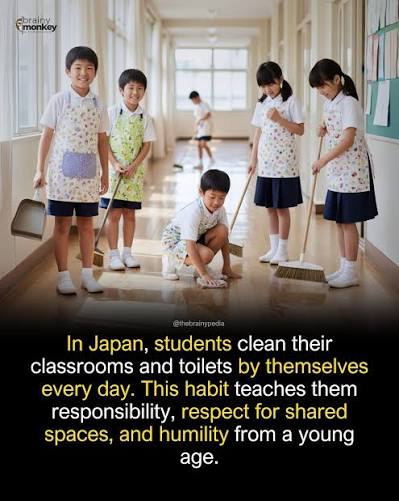
Education systems around the world are under constant scrutiny, with policymakers searching for models that produce not only academic excellence but also resilient, creative, and socially responsible citizens. Amid this global debate, Japan’s Quiet Education Revolution stands out as a model that has quietly transformed the way students learn, think, and interact. Unlike flashy reforms in other countries, Japan’s approach is subtle, consistent, and deeply rooted in cultural values, yet it offers profound lessons for the West and beyond.

Understanding Japan’s Education Context
Japan has long been recognized for its rigorous education system, frequently topping global rankings in mathematics, science, and literacy. However, beneath the surface of test scores lies a more nuanced revolution — a shift from rote memorization and high-pressure exams toward holistic development and student-centered learning.
This shift didn’t happen overnight. It is the result of decades of careful policy adjustments, pedagogical innovations, and cultural factors that prioritize group harmony, moral education, and lifelong learning.
Also read : Next Generation of Geniuses: The Country Quietly Producing Extraordinary Minds
The Roots of the Quiet Revolution
Several key historical and cultural factors underpin Japan’s Quiet Education Revolution:
- Post-War Educational Reform: After World War II, Japan restructured its education system to democratize learning. The focus shifted from militaristic discipline to nurturing critical thinking and civic responsibility.
- Moral Education (道徳教育, Dōtoku Kyōiku): Moral education is integrated into daily schooling, teaching students values such as empathy, responsibility, and cooperation. This fosters not only academic growth but social intelligence.
- Group-Oriented Learning: Japanese classrooms emphasize collaborative learning, helping students develop teamwork and interpersonal skills alongside academic knowledge.
These foundational elements created a fertile ground for innovations that quietly reshaped the education landscape.
Core Elements of Japan’s Education Revolution
Several practices define the current educational revolution in Japan:
1. Active Learning Over Memorization
Traditionally, Japanese education was heavily focused on memorization and entrance exams. Today, the emphasis is increasingly on active learning, where students engage with concepts, experiment, and apply knowledge in real-world scenarios.
This shift encourages curiosity, critical thinking, and problem-solving, skills that are increasingly essential in a rapidly changing world. Students might, for example, explore environmental issues by conducting local research projects rather than just reading textbooks.
2. Integrated Moral and Social Education
Japanese schools incorporate moral education, teaching children to respect others, understand societal norms, and contribute positively to their communities.
Lessons in ethics, empathy, and civic responsibility are not optional add-ons but a core part of the curriculum, subtly reinforcing values alongside academic learning. This approach produces students who are not only knowledgeable but socially aware and emotionally intelligent.
3. Focus on Lifelong Learning
In Japan, learning is viewed as a lifelong endeavor. Schools encourage curiosity and self-directed learning, and teachers model continuous personal growth.
Students learn to value persistence, adaptability, and self-improvement — qualities that extend well beyond the classroom. By cultivating a mindset of lifelong learning, Japan ensures that education remains relevant in a world where knowledge and technology evolve rapidly.
4. Collaborative and Experiential Learning
Group projects, hands-on experiments, and cooperative problem-solving are staples of modern Japanese classrooms. These approaches foster teamwork, communication, and leadership skills.
Students learn that success often depends on collaboration, a lesson that aligns with Japan’s broader cultural emphasis on group harmony (wa). Unlike competitive, individualistic approaches common elsewhere, this method nurtures collective responsibility and respect for peers.
5. Embracing Technology Wisely
Japan integrates technology into classrooms, but not indiscriminately. EdTech is used to enhance learning experiences, promote engagement, and provide personalized support rather than replace traditional teaching.
From interactive digital tools to data-driven assessment methods, technology complements teacher guidance, creating a balanced and effective learning environment.
Why Japan’s Approach Works
Several factors contribute to the effectiveness of Japan’s educational revolution:
- Teacher Quality and Respect: Japanese teachers are highly trained and enjoy societal respect, enabling them to implement innovative methods effectively.
- Consistency Across Levels: Educational reforms are coherent and consistent from elementary through high school, ensuring that students experience a seamless progression of skills and values.
- Cultural Alignment: The system aligns with cultural values like respect for others, diligence, and harmony, which reinforces behavioral norms and learning habits naturally.
- Holistic Evaluation: Schools assess more than just academic performance, evaluating social skills, creativity, and moral development.
This integrated approach ensures that education produces well-rounded individuals capable of contributing meaningfully to society.
Lessons for the West
While Western education systems have traditionally prioritized individual achievement and standardized testing, there is much to learn from Japan’s quiet revolution:
1. Emphasize Holistic Development
Western systems could benefit from incorporating moral and social education into mainstream curricula. Teaching empathy, teamwork, and ethical reasoning alongside academics helps prepare students for complex social and professional environments.
2. Foster Collaborative Learning
Encouraging collaborative projects and peer learning can reduce stress and promote deeper understanding. Group-based learning not only develops communication skills but also prepares students for workplaces that increasingly value teamwork.
3. Balance Technology Use
Western schools often adopt technology rapidly, sometimes at the expense of human interaction. Japan demonstrates that technology should complement, not replace, teacher-student engagement. Thoughtful integration enhances learning outcomes without compromising social development.
4. Encourage Lifelong Learning
Instilling a mindset of continuous improvement and curiosity from an early age ensures that students remain adaptable in a fast-changing world. Schools can create environments that reward inquiry, experimentation, and creative problem-solving rather than purely focusing on grades.
5. Reduce Overemphasis on Standardized Testing
While Japan still has entrance exams, its broader education philosophy emphasizes development over rote performance. Western systems can reduce excessive testing pressure, fostering a more meaningful and balanced educational experience.
Real-World Examples of Success
Japan’s quiet revolution is not theoretical. Several initiatives highlight its practical impact:
- Project-Based Learning: Schools across Japan implement real-world projects, from environmental conservation initiatives to local history research, helping students apply knowledge practically.
- Peer Teaching Programs: Older students often mentor younger ones, reinforcing their own learning while building leadership and communication skills.
- School Lunch Programs: Even routine activities like preparing and serving school lunches teach responsibility, hygiene, teamwork, and respect — demonstrating education extends beyond textbooks.
These programs illustrate how subtle changes in approach can yield profound results in student development.
Challenges and Critiques
No system is perfect, and Japan faces challenges despite its successes:
- Pressure of Entrance Exams: While active learning is encouraged, the pressure of high-stakes exams still dominates upper-level education, sometimes undermining creativity.
- Cultural Limitations: Japan’s group-oriented approach may not suit all students, particularly those who thrive on individual expression.
- Global Competitiveness: Rapid technological change and globalized skill demands require ongoing adaptation to maintain relevance.
Nevertheless, Japan’s ability to innovate quietly and consistently offers valuable insights for other nations.
The Future of Japan’s Education System
Japan’s educational revolution continues to evolve, with increased focus on digital literacy, mental health, and international collaboration. By blending traditional values with modern pedagogy, Japan is creating a system that produces adaptable, thoughtful, and socially responsible citizens.
Emerging trends include:
- Emphasis on Creativity and Innovation: Curriculum adjustments encourage artistic expression, coding, and entrepreneurial thinking.
- Mental Health Awareness: Schools are incorporating counseling and emotional education to support student well-being.
- Global Engagement: Japanese students increasingly engage in exchange programs and collaborative international projects, preparing them for global challenges.
These trends ensure that Japan’s quiet revolution remains forward-looking and sustainable.
Lessons Beyond Japan
Japan’s Quiet Education Revolution demonstrates that profound change does not always require radical overhauls. Through subtle, culturally aligned reforms, Japan has created an education system that fosters knowledge, character, and social responsibility simultaneously.
For Western nations, the lessons are clear: emphasize holistic development, foster collaboration, integrate technology thoughtfully, and cultivate lifelong learning. By looking beyond test scores and standardized measures, educators worldwide can learn from Japan’s quiet, yet impactful, approach.
Education is not merely about producing high achievers on paper; it is about nurturing capable, compassionate, and creative individuals who can navigate the complexities of modern life. Japan’s experience shows that this is possible when reform is thoughtful, consistent, and grounded in core human values.