
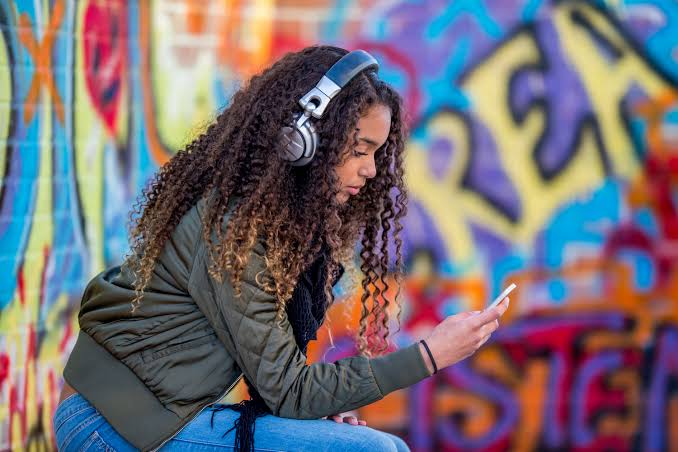
For Generation Z (born roughly between 1997 and 2012), music is far more than mere entertainment—it’s a deeply personal, identity-shaping force. From curated playlists that tell their stories to shared listening habits that build relationships—romantic, friendly and communal—Gen Z engages with music on a level that previous generations seldom did. In this article, we’ll explore how and why this generation’s connection with music has become so intimate, what it means for culture and commerce, and how artists and platforms can respond.
1. Music as Identity, Statement & Sanctuary
For Gen Z, listening habits are intrinsically tied to individual identity. The blog We Are Pion characterises music for this generation as “a badge of honour, a sanctuary, and every year, when Spotify Wrapped rolls around, something solid to attest our identities to.” (Pion)
In other words: what you listen to isn’t just background—it is you. According to their data:
- 80% of Gen Z said that audio lets them explore different sides of their personalities. (Pion)
- 76% believe their listening habits tell a story about who they are. (Pion)
This suggests a shift: from passive consumption to active self-construction via music.
2. Music & Relationships: Friendships, Dating & Shared Soundtracks
Romantic connections through music
Music isn’t just a backdrop—it becomes a bridge for relationships. A recent article notes that for one in three Gen Z daters, music taste is the primary determinant of compatibility. (Simpol.ph)
Key findings:
- Only ~2% of couples with completely different music tastes report relationship success. (Simpol.ph)
- Many Gen Zs create personalised playlists for partners as expressions of affection and understanding. (Simpol.ph)
Friendships, peer groups & music
Shared listening creates community. Whether through co-listening sessions, streaming feeds in social media or synced friend-playlists, music becomes a social currency. While less overt in research, this dimension follows naturally from identity-driven listening.
Also read : Meet the Artists Who Are Writing Gen Z’s Anthems
3. Why This Personalisation Happened
3.1 Platform & Tech Changes
Streaming services, algorithmic curation and social media have given Gen Z unprecedented control over what, when and how they listen. Unlike older generations bound by radio schedule or genre-specific playlists, Gen Z can craft highly tailored listening profiles. This is a necessary backdrop to the heightened personal relationship.
3.2 An Era of Self-Expression & Fluid Identity
Gen Z comes of age in a world where identity is less fixed—gender, geography, culture and sub-culture are more fluid. Music serves as a tool to express these complexities. As the We Are Pion blog states: “Music is the personal and the private for Gen Z.” (Pion)
3.3 Overwhelming Choice & Need for Meaning
In a world flooded with options, curated listening provides meaning. With nearly unlimited access to past and present music, Gen Z often selects what resonates emotionally or culturally, not what’s trending. This fosters a deeper, more reflective relationship to music.
4. How This Personal Relationship Manifests
4.1 Curated Playlists as Personal Narrative
Gen Z often uses playlists not just for mood, but to tell stories: “This is my breakup playlist,” “This is how I feel during study,” “This is how I relax on weekends.” The We Are Pion blog describes them as “story-telling tools.” (Pion)
4.2 Sharing Listening Habits & Social Signals
Posting your “Top 5 artists” or sharing a song on Instagram Story isn’t just music—it’s a social signal. Music becomes part of how you present yourself online. As one signal: features like Spotify’s “Wrapped” become moments of social identity. (Pion)
4.3 Music & Memory + Emotional Anchoring
Music becomes a time-stamp of emotional moments: “I listened to this with my friends,” “we heard this during first date,” “this song helped me through exam week.” The personal becomes tied to soundtrack. This creates deeper emotional ties than passive listening.
4.4 Partnerships Between Listener & Artist
Gen Z expects more transparency and access: behind-the-scenes, social media interaction, community building. The listener isn’t passive—they often feel part of the journey. This strengthens the personal attachment to music.
5. Cultural & Commercial Implications
5.1 For Artists & Labels
- Storytelling matters: not just the song, but the narrative behind the song.
- Fan-engagement shifts: More personalized interaction—shared playlists, co-creation of content, live listening sessions.
- Audience segmentation changes: Instead of broad demographic groups, micro-communities of identity, mood and taste dominate.
5.2 For Platforms & Marketing
- Data insight opportunity: Understanding not just what Gen Z listens to, but why.
- Product features matter: Tools for co-listening, shared playlists, mood analytics.
- Authenticity sells: Gen Z can spot over-manufactured branding. Music-marketing must feel genuine.
5.3 For Culture & Society
- Music as emotional tool: Beyond entertainment, music is used to heal, reflect and connect.
- Cross-generational influences: Because Gen Z explores older music freely, connections across time blur.
- Shift in intimacy: Where older generations bonded via group listening (radio, album-drop nights), Gen Z often bonds via personal listening, shareable playlists and digital heritage.
6. Practical Advice: How to Engage This Personal Relationship
For Listeners
- Be intentional: Recognise when you use music for mood, transition or identity.
- Use shared playlists: Create collaborative lists with friends/partners to deepen connection.
- Explore your musical story: Reflect on what your listening says about you, and use it creatively.
- Mix discovery + comfort: Balance known favourites with new finds that resonate on a personal level.
For Creators & Marketers
- Encourage co-creation: Let fans contribute to playlists, choose live listening experiences.
- Tell the story: Show why the song matters—behind-the-scenes, personal inspiration, community tie-in.
- Use intimacy: Micro-moments (Instagram stories, short-form videos) feel more personal than mass campaigns.
- Prioritise listening contexts: Think beyond “release day” to how a song fits into someone’s life and habits.
7. Critical Perspectives & Challenges
7.1 Intimacy vs. Oversharing
With music so personal and shareable, there’s a risk of over-commodification of personal feeling. Music becomes brand. Some critics fear that listener space for quiet reflection may shrink.
7.2 Algorithmic Influence & Authenticity
While Gen Z is drawn to personal connection, algorithms still shape what they hear. The tension between curated personal taste and algorithm-driven exposure remains.
7.3 Relationship vs. Trend
With one in three daters using music taste as compatibility metric, there’s a question: are these deep connections or just another trend? The long-term depth of these connections is yet to be proven. (Simpol.ph)
8. Looking Ahead: What’s Next for Gen Z & Music
- Increasing personalization: Expect more features for shared listening, personalised soundtracks (smart home, mixed reality experiences).
- Community-driven music moments: Rather than a ‘single smash hit’ being generational, many smaller, shared moments (playlist drops, meme-songs) become the music memories.
- Hybrid Mediums: Music will continue to integrate with visual, gaming and social platforms—making the personal experience even more immersive.
- Legacy & Nostalgia: As Gen Z ages, their music identity will accumulate. What they listen now will form their “vintage” years—making today’s personal listening the archival soundtrack of tomorrow.
Conclusion
For Generation Z, music is intensely personal. It’s how they understand themselves, how they connect with others, and how they mark their lives. Their homes, playlists, shared experiences and digital expressions all reflect a deeper relationship with sound.
For creators, platforms, marketers and culture-watchers, listening to why Gen Z loves music may matter more than what they listen to. Because in the end, the soundtrack they build is less about public hits and more about private meaning.