
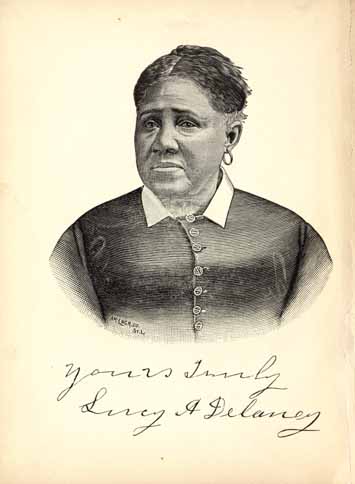
Who Was Lucy, the African American Slave Narrator?
When we speak of the Lucy African American Slave Narrator, we are talking about Lucy Ann Berry Delaney — an extraordinary woman born into slavery who turned her life of struggle into one of triumph. Lucy A. Delaney (c. 1828–1830 – 1910) was not only a former enslaved woman but also a freedom suit plaintiff, writer, and community leader in St. Louis, Missouri.
Her story stands among the most compelling in African American history: the tale of a woman who spent 17 months in jail while suing for her freedom, won her case in 1844, and decades later, published a memoir that still resonates today — From the Darkness Cometh the Light; or, Struggles for Freedom (1891).
This is her story — one of endurance, justice, and the power of self-narration in a world designed to silence her.
Early Life: Born into Slavery and Struggle
Lucy Ann Berry was born into slavery in St. Louis, Missouri, around 1828 or 1830. Her mother, Polly Berry (later known as Polly Wash), was enslaved by a family who took her to Illinois, a free state. According to Illinois law, any enslaved person who resided there for over 90 days was automatically considered free.
When Polly was forced back into Missouri — a slave state — she realized she and her daughter Lucy were illegally enslaved. Determined to reclaim their liberty, Polly filed a freedom suit in the Missouri courts in the 1830s. She successfully won her case, gaining her own freedom, and then fought for Lucy’s.
Lucy, however, faced a cruel delay. At barely a teenager, she was imprisoned for 17 months in St. Louis Jail while awaiting the verdict in her own freedom suit. This horrifying ordeal would later shape the vivid storytelling and themes in her autobiography.
The Freedom Suit: A Legal Battle for Justice
In 1844, Lucy’s freedom suit was brought to court. Her attorney, Edward Bates (who would later become U.S. Attorney General under Abraham Lincoln), represented her case. The argument was based on a vital legal doctrine of the time: partus sequitur ventrem, meaning “the child follows the condition of the mother.”
Because Polly had already been declared a free woman, Lucy’s lawyers argued that she too should be free.
After months of hearings and legal struggle, Lucy won her freedom in February 1844. Her case was one of over 300 freedom suits filed in St. Louis between 1814 and 1860 — but only a few succeeded.
Lucy’s victory made her part of a remarkable yet little-known chapter of American history: enslaved individuals using the law itself to defeat the institution of slavery.
From Enslaved Girl to Published Author
Years later, Lucy chronicled her extraordinary life in her memoir, From the Darkness Cometh the Light; or, Struggles for Freedom, published in 1891.
The book is among the very few firsthand narratives by an African American woman who had successfully sued for freedom. While most slave narratives focus on escape or manumission, Lucy’s account offers a unique legal and personal perspective on the fight for liberty.
Themes of Her Memoir
- Motherhood and Legacy – The central figure in Lucy’s life is her mother, Polly Berry, whose courage paved the way for Lucy’s liberation.
- Faith and Hope – The title itself symbolizes Lucy’s belief in divine justice and the moral triumph of freedom over oppression.
- Law and Justice – Her detailed descriptions of the courtroom, imprisonment, and verdict make the book a powerful legal and emotional document.
- Female Agency – Lucy portrays herself and her mother as active agents, challenging the common depiction of enslaved women as powerless victims.
Her writing was part of the 19th-century African American literary tradition, alongside authors like Harriet Jacobs (Incidents in the Life of a Slave Girl) and Sojourner Truth. But Lucy’s narrative is unique for its courtroom focus and depiction of legal resistance.
A Voice from the Shadows: Why Lucy’s Story Matters
At a time when Black women were rarely allowed to speak publicly or publish, Lucy claimed her voice through writing. Her narrative did more than document slavery — it reclaimed humanity.
She reminded readers that the enslaved were not voiceless property, but thinking, feeling human beings who could interpret their own histories. Her memoir stands as a bridge between slave narratives and post-emancipation literature, influencing later African American women writers.
Life After Freedom: Seamstress, Activist, and Community Leader
After winning her freedom, Lucy Delaney remained in St. Louis, working as a seamstress and later becoming a community activist. She married Zachariah Delaney, a barber and civic leader, and together they built a life of stability and service.
Lucy joined the African Methodist Episcopal Church, one of the leading institutions for freed African Americans in the 19th century. She also participated in women’s clubs and community charities, helping newly freed Black citizens adapt to post-Civil War life.
Her transformation — from enslaved girl to respected community figure — mirrors the broader African American journey from bondage to citizenship.
Freedom Suits in Context: St. Louis and the Law of Liberty
Lucy’s case was not an isolated story. Between 1814 and 1860, more than 300 freedom suits were filed in St. Louis courts. Many were initiated by enslaved individuals who had been taken into free territories and returned unlawfully to slavery.
Some key facts:
- Missouri’s proximity to free states like Illinois and Iowa created legal gray areas.
- Enslaved people often relied on sympathetic lawyers or white abolitionists to file petitions.
- Plaintiffs were commonly imprisoned during trial, since their legal status was under dispute.
- Even when victorious, freed individuals faced danger from slave catchers and retaliation.
Lucy and her mother’s triumphs highlighted both the possibility and the peril of using the American legal system to fight slavery.
Today, their cases are commemorated at the Freedom Suits Memorial in downtown St. Louis, honoring those who dared to challenge the system from within.
Comparing Lucy to Other African American Slave Narrators
| Author | Major Work | Focus | Distinction |
|---|---|---|---|
| Lucy A. Delaney | From the Darkness Cometh the Light (1891) | Legal fight for freedom | Only known female author of a freedom-suit memoir |
| Harriet Jacobs | Incidents in the Life of a Slave Girl (1861) | Sexual exploitation & escape | Focus on womanhood & survival |
| Frederick Douglass | Narrative of the Life of Frederick Douglass (1845) | Self-education & escape | Male perspective, abolitionist platform |
| Sojourner Truth | The Narrative of Sojourner Truth (1850) | Faith & activism | Oral dictation of life story |
Lucy’s contribution bridges legal history and literary history. Her unique experience in court sets her apart, giving scholars and readers a direct glimpse into the mechanics of slavery, freedom, and justice in antebellum America.
Lucy’s Place in African American History
Lucy A. Delaney’s name might not be as widely known as Douglass or Jacobs, but her impact is profound. She represents:
- Black women’s intellectual and moral strength in the face of systemic oppression.
- The intersection of law and literature in the struggle for human rights.
- The enduring truth that freedom must be both won and narrated to be preserved.
In her writing, she did not just tell a story — she claimed authorship of her own existence. That act alone made her revolutionary.
Legacy: Why the World Still Needs Lucy’s Story
More than 180 years after her freedom suit, Lucy’s message remains clear: freedom must be fought for, told, and remembered.
Her courage in facing imprisonment, her persistence in the courts, and her later authorship challenge the erasure of women’s voices from history. Today, scholars cite her as a pivotal figure in African American legal and literary studies.
The Lucy African American Slave Narrator represents not just one woman’s story but the shared determination of an entire people striving toward justice.
Conclusion: From Darkness to Light
Lucy A. Delaney’s life perfectly embodies the title of her memoir — From the Darkness Cometh the Light. From the literal darkness of slavery and jail cells, she brought forth the light of freedom, dignity, and historical truth.
Her story deserves a central place in American education, literature, and public memory. Every time her name is spoken or her words are read, the world is reminded that even in the darkest oppression, the human spirit can write, speak, and rise toward the light.