
Your Vote is Your Voice – And It All Starts at Your Polling Place
Election Day is here. You’re determined to make your voice heard and participate in the democratic process. But a crucial question remains: Where do I actually go to cast my ballot? Knowing how to find my polling place is the essential first step in your voting journey.
Every election, countless voters are turned away or face unnecessary stress because they show up at the wrong location. Your assigned polling place is a specific venue—like a local school, community center, or church—determined by your home address. You can’t just vote anywhere; you must go to your designated spot.
This comprehensive guide is your one-stop resource. We will not only show you the quickest and most reliable ways to find your polling place but also prepare you for what happens once you get there. From ID requirements to understanding your ballot, consider this your ultimate voting day playbook.
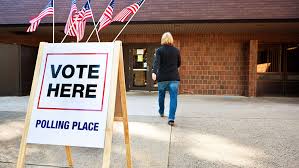
Why Your Specific Polling Place Matters
You might wonder why you can’t just vote at the most convenient school in your town. The system is designed around precincts—small geographic areas within a county or city. Your precinct determines which local races (like for city council, school board, or county commissioner) appear on your ballot.
Showing up at the wrong location can lead to a few frustrating scenarios:
-
You May Be Directed to Another Location: Poll workers will kindly inform you that you’re in the wrong place, costing you time and potentially making you late for work or other commitments.
-
You Might Have to Cast a Provisional Ballot: If you insist on voting at the wrong precinct, you may be given a provisional ballot. This ballot is set aside and only counted after election officials verify your eligibility and that you didn’t vote elsewhere. It’s not guaranteed to be counted.
-
You Could Miss Local Races: Even if you are allowed to vote, your ballot may not include the hyper-local contests you have a right to vote on.
The bottom line: Taking two minutes to confirm your assigned location ensures a smooth, quick, and valid voting experience. Let’s get you there.
Method 1: The Gold Standard – Your State or Local Election Website
The single most accurate and authoritative source to find my polling place is your official state or county election website. These government-run sites are updated in real-time and contain the official database of voter information.
How to Do It:
-
Open Your Web Browser and search for “[Your State] Secretary of State” or “[Your County] Board of Elections.”
-
Locate the Voter Portal. Nearly every state has an online voter portal or “lookup tool.” This is usually prominently displayed on the homepage.
-
Enter Your Information. You will typically need to provide:
-
Your First and Last Name
-
Your Date of Birth
-
Your Residential Address (as it appears on your voter registration)
-
The portal will instantly display your voter registration status, your designated polling place’s name and address, and often the hours of operation. It may even provide a map, a sample ballot, and directions.
Pro Tip: Bookmark this page once you find it. While your polling place usually stays the same, it can occasionally change due to construction, venue availability, or precinct realignment. Always double-check a week before any election.
Method 2: Trusted Third-Party Tools and Nonprofits
If you’re not sure of your official state website, several highly reliable, non-partisan organizations offer excellent polling place lookup tools. These sites aggregate data from official state sources, making them a fantastic backup or a user-friendly alternative.
-
The League of Women Voters (Vote411.org): This venerable organization runs a superb website. Enter your address, and it will not only show you your polling place but also provide a full preview of your personalized ballot, allowing you to research candidates and issues beforehand.
-
Google Search: Simply go to Google and type “Find My Polling Place”. Google often displays a special search box at the top of the results page where you can enter your home address and get direct results pulled from official data.
-
Vote.org: This is another reputable, non-partisan site dedicated to increasing voter turnout. Their lookup tools are straightforward and easy to use.
While these tools are excellent, it’s always a good practice to cross-reference the result with your official state website if you have any doubt.
Method 3: Good Old-Fashioned Phone Calls
Not everyone is comfortable online, and that’s perfectly okay. The voting system has alternatives.
-
Call Your Local Election Office. This is the most direct line. A quick search for “[Your County] Board of Elections phone number” will get you the information straight from the source. The staff there are experts and can answer any other questions you may have.
-
National Voter Assistance Hotlines:
-
1-866-OUR-VOTE (1-866-687-8683): Run by the Lawyers’ Committee for Civil Rights Under Law.
-
1-888-API-VOTE (1-888-274-8683): For assistance in Asian languages.
-
1-888-VE-Y-VOTA (1-888-839-8682): For assistance in Spanish.
-
These hotlines are staffed by trained volunteers who can help you find your polling place and assist with other voting-related issues.
What to Do If There’s a Problem at Your Polling Place
You’ve done your homework, but sometimes, unexpected issues arise. Don’t panic and don’t leave! You have rights.
-
Scenario 1: Your Name Isn’t on the List.
-
Don’t leave! First, calmly ask the poll worker to double-check the spelling of your name or look in the supplemental lists. Sometimes, simple typos are to blame.
-
If they still can’t find you, confirm that you are at the correct polling place. If you are, ask to cast a provisional ballot. This ensures your vote is set aside and counted once your eligibility is confirmed.
-
-
Scenario 2: You Moved and Didn’t Update Your Registration.
-
If you moved within the same county or state, rules vary. In many places, you can still vote at your old polling place for certain elections, or you may be directed to a central location. Calling your local election office before Election Day is the best way to handle this.
-
-
Scenario 3: The Polling Place is Inaccessible.
-
All polling places must be accessible to voters with disabilities. If you encounter an accessibility barrier (e.g., a broken ramp, narrow doors), inform a poll worker immediately. They are required to provide an alternative, such as curbside voting, where a ballot is brought out to your car.
-
Beyond “Find My Polling Place”: Your Election Day Checklist
Knowing your location is half the battle. Being fully prepared will make you a voting superstar.
What to Bring With You (ID Requirements):
Voter ID laws vary significantly by state. Some require a photo ID, while others may only require a document with your name and address, like a utility bill.
-
Strict Photo ID States: Require a government-issued photo ID like a driver’s license, passport, or military ID.
-
Non-Strict ID States: May request an ID but allow you to sign an affidavit if you don’t have one.
-
No ID Required States: You will simply state your name and address to confirm your identity.
Action Step: When you use the online tool to find your polling place, also look up your state’s specific ID requirements on the same official website.
Know Your Rights as a Voter:
-
Time Off to Vote: Many states have laws requiring employers to give employees paid or unpaid time off to vote. Check your state’s laws.
-
The Right to a Non-Intimidating Environment: Campaigning, or “electioneering,” is prohibited within a certain distance of the polling place entrance. You have the right to vote free from harassment or intimidation.
-
The Right to Assistance: If you need help reading or marking the ballot due to a disability or illiteracy, you have the right to bring someone to assist you or to request help from a poll worker.
What to Expect: The Step-by-Step Voting Process
-
Arrive and Check-In: Find the table for the first letter of your last name. Provide your name and address (and ID, if required).
-
Get Your Ballot: The poll worker will either hand you a paper ballot or direct you to an electronic voting machine.
-
Mark Your Ballot in Private: Go to a designated voting booth. Take your time! If you make a mistake on a paper ballot, ask a poll worker for a new one.
-
Cast Your Ballot:
-
Paper Ballot: You may feed it into a scanning machine yourself, or place it in a secured ballot box.
-
Electronic Machine: Follow the on-screen prompts to review your choices and press “Cast Ballot.”
-
-
Get Your “I Voted” Sticker: You’ve earned it! Wear it proudly.
Frequently Asked Questions (FAQs) About Finding Your Polling Place
Q: Can my polling place change from one election to the next?
A: Yes, though it’s not common. Precincts can be redrawn, or a venue may become unavailable. This is why it’s critical to check your polling place before every election, even if you’ve voted at the same location for years.
Q: What are the typical hours for polling places?
A: Hours vary by state and sometimes even by county. However, most polling places in the U.S. are open from the early morning (around 6 or 7 a.m.) until the evening (7 or 8 p.m.). Your state’s voter lookup tool will provide the exact hours.
Q: I’m in line when the polls close. Can I still vote?
A: Yes. If you are in line by the official closing time, you have the legal right to cast your ballot. Stay in line!
Q: Is it too late to find my polling place on Election Day itself?
A: Absolutely not! In fact, Election Day is the most important day to use these tools. The lookup websites and phone lines are operational and designed for last-minute use.
Q: What if I requested an absentee/mail-in ballot but now want to vote in person?
A: This depends on your state. In some states, you can surrender your unused mail-in ballot at the polling place and vote normally. In others, you may have to cast a provisional ballot. Contact your local election office for guidance.
Conclusion: Be Prepared, Be Confident, Be a Voter
The act of voting is a powerful civic duty, and it begins with the simple, crucial step of knowing where to go. By using the official state resources and trusted tools outlined in this guide, you can find your polling place with confidence and ease.
Don’t let confusion or a last-minute hurdle prevent you from participating. A few minutes of preparation today ensures that on Election Day, you can walk into your polling place knowing your rights, prepared with what you need, and ready to make a difference.
Your voice matters. Your vote counts. Now you know exactly how to cast it.
Ready to Vote?
➡️ Click here to use the official National Association of Secretaries of State website to find your state’s voter portal and Find My Polling Place today! ⬅️