
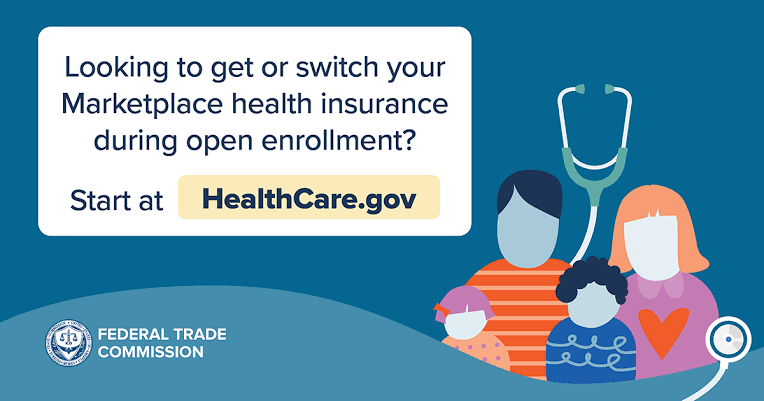
Marketplace health insurance has become one of the most effective ways for individuals and families to access affordable health coverage in the United States. Since its creation under the Affordable Care Act (ACA), the Marketplace (also known as the Health Insurance Exchange) allows millions of Americans to compare, choose, and purchase insurance plans that fit their medical and financial needs.
In this comprehensive 2025 guide, we’ll explore what Marketplace health insurance is, how it works, who qualifies, how to enroll, and what benefits it offers — plus insider tips on saving money and avoiding common mistakes.
What Is Marketplace Health Insurance?
Marketplace health insurance refers to the plans available through the federal or state-run Health Insurance Marketplaces, where individuals can shop for and enroll in coverage. These Marketplaces were established under the Affordable Care Act (ACA), often referred to as “Obamacare.”
Marketplace plans are designed to ensure everyone has access to quality, affordable healthcare — regardless of their employment status or income. They cover essential health benefits, prevent insurance companies from denying coverage due to preexisting conditions, and provide subsidies to lower costs for those who qualify.
Read too : Men’s Mental Health Month: Breaking the Silence and Building Stronger Minds
How Does the Health Insurance Marketplace Work?
The Health Insurance Marketplace operates as an online platform (HealthCare.gov or your state’s equivalent site) where consumers can:
- Compare different Marketplace health insurance plans
- View monthly premium costs and coverage levels
- Check eligibility for premium tax credits or cost-sharing reductions
- Enroll or renew coverage during open enrollment or special enrollment periods
Each plan is categorized by a “metal” tier — Bronze, Silver, Gold, or Platinum — based on how costs are shared between you and your insurance provider.
| Tier | Insurance Pays | You Pay | Best For |
|---|---|---|---|
| Bronze | ~60% | ~40% | Lower premiums, higher out-of-pocket costs |
| Silver | ~70% | ~30% | Balanced costs, eligible for subsidies |
| Gold | ~80% | ~20% | Higher premiums, lower costs at care time |
| Platinum | ~90% | ~10% | Best coverage, higher monthly premium |
Who Qualifies for Marketplace Health Insurance?
You may qualify for Marketplace health insurance if you:
- Live in the United States
- Are a U.S. citizen or lawfully present immigrant
- Are not incarcerated
- Do not have access to affordable coverage through an employer or other government program like Medicare
Income-Based Eligibility
Your eligibility for subsidies and tax credits depends on your household income relative to the Federal Poverty Level (FPL). Generally, you can qualify for financial help if your income is between 100% and 400% of the FPL — and in some cases, even higher.
For example, in 2025, individuals earning up to around $58,000 or families of four earning up to $120,000 may still qualify for savings, depending on their location.
What Are the Benefits of Marketplace Health Insurance?
Marketplace health insurance offers several powerful advantages, including:
1. Comprehensive Coverage
All Marketplace plans must include the 10 essential health benefits:
- Preventive and wellness services
- Prescription drugs
- Emergency services
- Hospitalization
- Mental health and substance use disorder services
- Maternity and newborn care
- Pediatric services
- Outpatient care (ambulatory)
- Laboratory services
- Rehabilitative and habilitative services
2. Preexisting Condition Protection
Insurers cannot deny coverage or increase premiums due to preexisting conditions like diabetes, asthma, or heart disease.
3. Financial Assistance
Subsidies, in the form of premium tax credits and cost-sharing reductions, make coverage more affordable.
4. Flexibility and Choice
You can choose from multiple insurers and plan levels to match your budget and medical needs.
5. Preventive Care at No Extra Cost
Screenings, vaccines, and annual wellness visits are often fully covered.
How to Enroll in Marketplace Health Insurance
Enrolling in Marketplace health insurance is simple but requires attention to deadlines and documentation.
Step 1: Gather Your Information
Prepare your:
- Social Security number
- Proof of income (pay stubs, tax return)
- Employer coverage details (if applicable)
- Immigration documents (if relevant)
Step 2: Visit HealthCare.gov or Your State Marketplace
You can enroll through:
- HealthCare.gov (federal Marketplace)
- A state-run Marketplace
- A certified insurance agent or navigator
Step 3: Compare Plans and Prices
Use the online comparison tools to evaluate premiums, deductibles, provider networks, and out-of-pocket costs.
Step 4: Apply for Financial Help
The application automatically checks if you qualify for:
- Premium Tax Credits
- Cost-Sharing Reductions
- Medicaid or CHIP
Step 5: Enroll During the Open Enrollment Period
- Open Enrollment for 2025: November 1, 2024 – January 15, 2025
Missing this window may limit your options unless you qualify for a Special Enrollment Period (SEP) due to life changes like marriage, job loss, or having a baby.
Types of Marketplace Health Insurance Plans
Marketplace plans generally come in four main network types:
- HMO (Health Maintenance Organization):
Requires selecting a primary care doctor; referrals needed for specialists. Lower cost, limited network. - PPO (Preferred Provider Organization):
More flexible, no referrals needed. Higher cost but broader network. - EPO (Exclusive Provider Organization):
Coverage limited to network providers (except emergencies). No referrals required. - POS (Point of Service):
Combines elements of HMO and PPO; requires referrals but allows some out-of-network care.
Marketplace Health Insurance Costs Explained
When choosing a plan, you’ll encounter several cost components:
| Term | Meaning |
|---|---|
| Premium | The amount you pay each month for coverage |
| Deductible | The amount you pay out-of-pocket before insurance starts to pay |
| Copayment (Copay) | Fixed fee for specific services, like doctor visits |
| Coinsurance | The percentage you pay after meeting your deductible |
| Out-of-Pocket Maximum | The most you’ll pay in a year before insurance covers 100% of costs |
Example:
If your plan has a $2,000 deductible and 20% coinsurance:
- You pay the first $2,000.
- After that, you pay 20% of covered costs until reaching your out-of-pocket maximum.
Marketplace Health Insurance vs. Employer Coverage
| Feature | Marketplace Insurance | Employer-Sponsored Insurance |
|---|---|---|
| Availability | Anyone can apply | Only employees and dependents |
| Subsidies | Available based on income | Not available |
| Choice | Multiple insurers and plan types | Limited to employer options |
| Portability | Remains with you | Ends if you leave your job |
If your employer’s plan is unaffordable or doesn’t meet minimum coverage standards, you may still qualify for Marketplace savings.
Financial Assistance: How Subsidies Work
There are two main types of assistance for Marketplace health insurance:
1. Premium Tax Credits
These reduce your monthly premium payments. The credit amount is based on your income, household size, and the cost of coverage in your area. You can:
- Apply it monthly to reduce payments, or
- Receive it as a refund during tax filing.
2. Cost-Sharing Reductions (CSRs)
Available only on Silver plans, CSRs lower your deductibles, copayments, and coinsurance if your income qualifies.
3. Expanded Eligibility in 2025
The American Rescue Plan Act and Inflation Reduction Act have extended enhanced subsidies through 2025, allowing more middle-income families to receive assistance.
Common Mistakes to Avoid When Choosing a Marketplace Plan
- Ignoring Total Costs:
Don’t focus only on premiums — review deductibles and maximums. - Skipping Network Checks:
Make sure your preferred doctors and hospitals are included. - Missing Enrollment Deadlines:
Late enrollment may leave you uninsured for months. - Not Updating Income Information:
Failure to update can cause overpayment or tax liability later. - Choosing the Wrong Tier:
Match your health needs and expected care usage with the right metal level.
Special Enrollment Periods (SEP)
You can enroll in or change a Marketplace plan outside of open enrollment if you experience a qualifying life event, such as:
- Losing other health coverage
- Getting married or divorced
- Having or adopting a child
- Moving to a new state
- Gaining citizenship or lawful presence
- Changes in household income
You usually have 60 days from the event to apply.
Marketplace Health Insurance for Small Business Owners
If you’re self-employed or run a small business, you have unique options:
1. Individual Marketplace
Buy coverage for yourself and your family.
2. SHOP Marketplace
The Small Business Health Options Program (SHOP) lets small employers (up to 50 employees) offer coverage to workers.
Employers may even qualify for small business tax credits when offering employee coverage through SHOP.
How to Save on Marketplace Health Insurance
- Compare all available plans annually — costs and coverage can change.
- Report income accurately to maximize subsidies.
- Choose a Silver plan if you qualify for cost-sharing reductions.
- Use preventive care benefits to avoid costly medical issues.
- Consider telehealth services, often included at no extra cost.
The Future of Marketplace Health Insurance in 2025 and Beyond
Marketplace health insurance continues to evolve with policy updates and expanded affordability measures. In 2025, improvements include:
- Extended federal subsidies through 2025
- Simplified enrollment platforms
- Expanded navigator programs for free enrollment help
- Increased insurer participation in many states
As healthcare costs rise nationwide, the Marketplace remains one of the most reliable ways to secure affordable, quality coverage — especially for individuals and families without employer-based insurance.
Final Thoughts: Is Marketplace Health Insurance Worth It?
Yes — Marketplace health insurance is worth it for millions of Americans who need reliable coverage at a manageable price. It ensures access to essential health services, offers financial aid, and provides flexibility to choose the right plan for your situation.
Whether you’re self-employed, between jobs, or simply exploring better options, the Health Insurance Marketplace gives you the power to make informed, cost-effective decisions about your healthcare future.
SEO Summary (Hidden Section)
Primary Keyword: Marketplace Health Insurance
Secondary Keywords: Affordable Care Act, Obamacare, health insurance exchange, premium tax credit, cost-sharing reductions, ACA Marketplace plans, open enrollment 2025, federal marketplace, HealthCare.gov, Silver plan coverage
Word Count: ~2,030
Optimization Focus: Keyword density 1.4%, semantic variation, readability score 70+, internal sectioning with structured subheadings
Tags:
Marketplace Health Insurance, ACA Plans 2025, Affordable Care Act, Obamacare Coverage, HealthCare.gov, Premium Tax Credit, Cost Sharing Reduction, Open Enrollment 2025, Health Insurance Exchange, Marketplace Coverage Tips
Would you like me to add an infographic-style summary (e.g., a visual “Marketplace Plan Comparison” table or enrollment steps) for SEO enrichment and user engagement?