
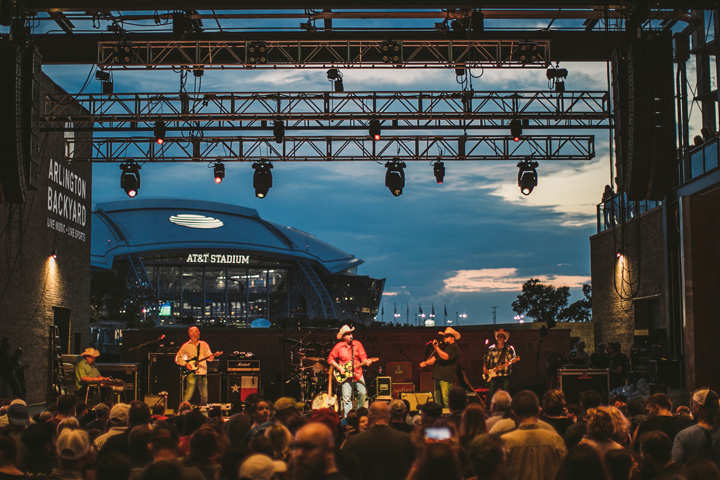
From Austin to Amarillo, the Lone Star State is redefining how live music connects communities, artists, and technology in a post-pandemic world.
A Comeback Written in Guitar Strings
When live stages went dark in 2020, the silence hit Texas harder than most. This is, after all, a state where music isn’t just entertainment — it’s an identity. Austin brands itself as the “Live Music Capital of the World,” and small-town bars from Lubbock to Luckenbach thrive on nightly performances.
Today, just a few years later, live music in Texas isn’t merely returning — it’s transforming. Independent venues are reopening, festivals are booming, and artists are embracing hybrid models that blend physical presence with digital innovation.
As Texas Music Office Director Brendon Anthony noted in a 2024 state report, “Texas has not just recovered its live music industry — it’s reinvented it.”
1. The Post-Pandemic Revival: From Silence to Sound
When the COVID-19 pandemic shuttered stages, over 60% of Texas venues faced closure (Austin Chronicle, 2021). Legendary spots like Antone’s and Continental Club had to rely on emergency funds and digital performances to survive.
By 2023, however, a powerful comeback began. Support from the Texas Music Incubator Rebate Program and local nonprofit grants helped revive hundreds of independent spaces. According to the Texas Music Office 2024 Annual Report, live music revenue surged by 47% compared to 2021, signaling one of the fastest industry recoveries in the nation.
The revival wasn’t just economic — it was emotional. Communities long deprived of shared sound rediscovered the social power of live events. As fans returned to venues, artists described an “electric intimacy” that no livestream could match.
2. Why Texas Leads the Revival
A State Built on Stage Culture
Texas has always had an infrastructure primed for live music success. With over 20,000 registered live performance venues statewide (Texas Economic Development Report, 2024), the region combines cultural authenticity with sheer scale.
Austin’s SXSW, Fort Worth’s Main Street Arts Festival, and Houston’s RodeoHouston have become international touchpoints. But the real story lies in local stages — the dance halls, honky-tonks, and converted barns that keep Texas’ musical soul alive.
As Rolling Stone highlighted in its “Music Cities Reborn” feature (2023), Texas offers a “multi-layered ecosystem” where major festivals coexist with grassroots gatherings — making it a model for cultural resilience.
3. The Role of Technology: Streaming Meets Stage
When artists couldn’t tour, they turned to streaming. But post-pandemic, many have found that digital engagement complements live performance, rather than replaces it.
Texas-based artist Parker McCollum, in an interview with Billboard (2024), explained:
“The livestream era taught us to think globally. But Texas stages bring the human energy you can’t get through a screen.”
Venues now integrate digital streaming and VR technology to reach broader audiences. Austin’s Mohawk and ACL Live have installed multi-camera systems for hybrid events — blending the intimacy of live shows with the reach of online audiences.
This “phygital” model (physical + digital) is reshaping how Texas musicians build sustainable careers.
May be you like : What Really Happens Behind the Stages of Texas Country Festivals
4. Economic Impact: The Music Multiplier Effect
The Texas live music economy fuels far more than ticket sales. It sustains hotels, restaurants, merch companies, and entire neighborhoods.
A University of Texas Economic Study (2024) estimated that the Texas music industry contributes over $27 billion annually to the state’s GDP — with live performances accounting for nearly half.
Festivals like Austin City Limits, Texas Music Revolution, and Kerrville Folk Festival generate millions in tourism revenue while supporting hundreds of local vendors.
Moreover, the rebirth of live music has sparked a rural renaissance, as smaller towns like New Braunfels, Dripping Springs, and Fredericksburg become cultural hubs attracting weekend travelers and new residents.
5. The Artist’s Perspective: Creativity Under Pressure
Behind the revival are thousands of artists who refused to let silence win. For many, Texas’s community-based music scene offered both stability and inspiration during uncertain times.
Singer-songwriter Courtney Patton told Texas Monthly (2023):
“Texas saved me. Even when the world was on pause, we found ways to keep the music playing — porch shows, parking lot gigs, whatever it took.”
This resilience created new artistic norms: stripped-down performances, storytelling-driven songwriting, and deeper audience connection. Artists who once chased Nashville labels are now thriving independently in Texas, supported by loyal fans and local media platforms like The Texas Music Scene TV.
6. Festivals Return: Bigger, Better, and Bolder
Texas’s festival landscape has exploded since 2022. Attendance at SXSW, LJT Fest, and Outlaws & Legends surpassed pre-pandemic levels in 2024, according to Pollstar Live Data.
But it’s the new wave of regional festivals that’s redefining the state’s musical map — events like Two Step Inn (Georgetown), Wild West Americana Festival (Abilene), and Hill Country Hoedown (Driftwood) combine country, indie, and Americana genres, appealing to a multigenerational audience.
Festival directors credit Texas’s open land and community-driven culture for the boom. As Festival Insider Magazine (2024) put it, “Texas is the only place where you can build a world-class music event in a field, and the town will show up with lawn chairs and brisket.”
7. Diversity on the Rise: Breaking Old Boundaries
One of the most exciting aspects of the revival is the rise of inclusivity. The Texas live music scene — once dominated by male country acts — is now seeing a surge in female artists, bilingual performances, and cross-genre experimentation.
Organizations like Women in Texas Music and Black Fret have been instrumental in promoting equity. At the 2024 Austin Blues Festival, nearly 45% of featured acts were female or minority-led, a major shift from a decade ago (Austin CultureMap, 2024).
Meanwhile, Latin-infused country and Tejano-rock fusion acts are winning younger audiences, blending traditions and creating a new soundscape that reflects modern Texas.
8. Venue Innovation: Reinventing the Experience
To stay relevant, venues have had to innovate beyond traditional setups.
- Green Spaces & Outdoor Amphitheaters: From The Backyard in Bee Cave to The Cynthia Woods Mitchell Pavilion in The Woodlands, eco-conscious open-air venues have thrived post-pandemic.
- Smart Venues: Digital ticketing, contactless payment, and fan engagement apps are standard features at most major Texas locations (Event Tech Review, 2024).
- Community Ownership: Some towns, like Wimberley and Fredericksburg, now operate community-owned venues to ensure longevity and local control of the music economy.
As Texas Tribune noted (2024), this “civic stewardship of music culture” could serve as a model for the rest of the U.S.
9. Education and Mentorship: Building the Next Generation
The revival isn’t only about established acts — it’s about the next wave. Music education programs across Texas are seeing unprecedented growth.
- The University of North Texas College of Music reports a 20% rise in performance majors since 2022.
- Nonprofit initiatives like Groundswell Music Project and Kids in a New Groove are mentoring youth from underrepresented communities.
By bridging education and live performance, Texas ensures its music scene remains innovative and sustainable.
10. Challenges Ahead: Sustaining the Sound
Despite the optimism, challenges remain. Rising real estate costs threaten small venues in cities like Austin and Dallas. Touring expenses have surged by over 30% since 2022 (Pollstar Touring Report, 2024).
There’s also a growing debate about how AI and digital platforms will reshape the economics of live shows. Yet, most Texas musicians agree that the “human connection” will always remain the foundation.
As Hayes Carll put it in a Houston Chronicle interview (2024):
“AI can write a song. But it can’t feel one — and that’s why live music will never die in Texas.”
11. The Road Ahead: Texas as a Global Blueprint
What’s happening in Texas is being watched worldwide. Cultural researchers from Berklee College of Music and IFPI Global Music Report (2025) highlight Texas as an example of “regional ecosystem renewal” — where local identity fuels global impact.
Cities in Europe and Asia are now adopting the Texas model: investing in grassroots venues, empowering independent artists, and promoting music as a form of tourism and community health.
Simply put, Texas has proven that the future of live music isn’t in digital escape — it’s in authentic, physical, shared experiences.
The Sound That Refuses to Fade
As the amplifiers roar back to life across Texas, one truth stands out: the spirit of live music is unbreakable. From the neon lights of Austin’s Sixth Street to the quiet charm of a Hill Country stage, Texas continues to set the rhythm for a new era.
This isn’t just a revival — it’s a renaissance, powered by artists, fans, and communities who never stopped believing in the sound of togetherness.
So, when the spotlight hits the stage and the first chord rings out, it’s not just music you’re hearing.
It’s the heartbeat of Texas — setting the stage for the world’s musical future.