
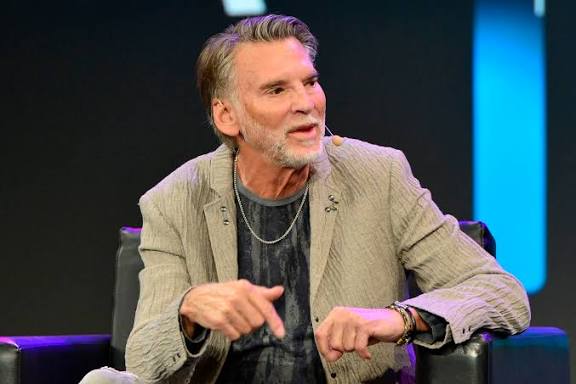
The legendary singer-songwriter Kenny Loggins is once again making headlines, but this time, the chart-topping artist is trading the concert stage for the courtroom, or at least the threshold of one. The latest legal storm surrounding Loggins centers on a fiercely debated modern topic: the unauthorized use of music in politically charged, AI-generated content.
This entire controversy directly addresses the critical question of modern celebrity rights: when and how can one of the most recognizable voices in rock demand that their art be protected from political appropriation? The core issue boils down to a single, iconic track, “Danger Zone,” and its controversial use in a social media video.
This piece will dive deep into the specific video content, Loggins’ strong public stance, the vital copyright laws at play, and even explore his past high-profile legal battle with another music titan.
Also read : Candace Bushnell Sex and the City Legacy
💥 The Incident: AI, Politics, and ‘Danger Zone’
The recent furor that ignited this potential Kenny Loggins Lawsuit began with a video posted on a political social media platform. Produced using Artificial Intelligence (AI) tools, the clip reportedly depicted a figure wearing a crown, flying a fighter jet labeled “King [Figure’s Name],” and dropping what appeared to be excrement on protesters participating in recent “No Kings” rallies.
The background track for this controversial, inflammatory content was none other than Loggins’ high-octane 1986 smash, “Danger Zone,” forever cemented in pop culture history by the Top Gun soundtrack.
Kenny Loggins’ Demand for Immediate Removal
In a powerful public statement, Loggins made his position unequivocally clear: this was an unauthorized use of his performance of ‘Danger Zone.’
Loggins was explicit in his reasoning, stating:
“Nobody asked me for my permission, which I would have denied, and I request that my recording on this video is removed immediately. I can’t imagine why anybody would want their music used or associated with something created with the sole purpose of dividing us.”
His primary demand is simple: take the video down on grounds of copyright infringement and the complete lack of license or consent. This incident places Loggins among a growing list of artists who have had to publicly and legally fight back against the use of their music in political campaigns or content, further highlighting the tension between creative ownership and political commentary in the digital age.
⚖️ The Legal ‘Highway’: Copyright and Unauthorized Usage
The heart of the new Kenny Loggins lawsuit threat lies in copyright law. When an artist records a song, two distinct copyrights are created:
- The Musical Composition: The melody and lyrics (owned by the songwriters/publishers).
- The Sound Recording: The actual master track of the artist’s performance (often owned by the artist and/or record label).
Loggins specifically objected to the use of his performance (the sound recording). For the political entity to legally use the track in this manner, they would typically need both a synchronization license (for the composition) and a master use license (for the recording). By all accounts, these were not secured.
While some political uses of music are sometimes argued as “Fair Use,” content that is clearly provocative and used to mock or criticize opponents, especially when done without authorization and featuring a star’s recognizable voice, often strengthens the artist’s claim of unauthorized usage and potential dilution of their brand.
🎤 The Historical Precedent: The Loggins v. Brooks Feud
This isn’t the first time Kenny Loggins has had to navigate complex music law. The singer has a significant history with intellectual property rights, most notably the high-profile copyright lawsuit against country music superstar Garth Brooks.
The legal battle commenced in the mid-1990s when Loggins and co-writer Guy Thomas sued Brooks, alleging that his hit song “Standing Outside the Fire” bore striking similarities to their 1991 track, “Conviction of the Heart.” Loggins detailed the encounter in his memoir, revealing that the dispute grew heated after he suggested he and Thomas should receive a percentage of the song’s profits.
The lengthy and contentious case was eventually settled out of court for an undisclosed sum. Loggins, in his retelling, highlighted Brooks’ famously resentful public comments following the settlement, adding a dramatic note to one of music history’s most notable copyright feuds. The Loggins Garth Brooks lawsuit serves as a stark reminder of the long-term vigilance artists must maintain over their creative works.
🏆 Final Descent: Implications for Music and AI
The recent actions taken by Kenny Loggins over the “Danger Zone” unauthorized use of his music are more than just a personal dispute; they are a sign of the changing times. The rise of AI-generated content has made the unauthorized appropriation of intellectual property easier than ever, posing a serious threat to artists’ control over their brand and creations.
Whether a formal Kenny Loggins Lawsuit is ultimately filed remains to be seen, but his demand for removal serves as a powerful message to all users of AI and digital media: the established rules of copyright and licensing still apply, and music legends are ready to protect their legacy. This battle highlights the urgent need for clearer legal boundaries governing the intersection of technology, politics, and artistic rights.